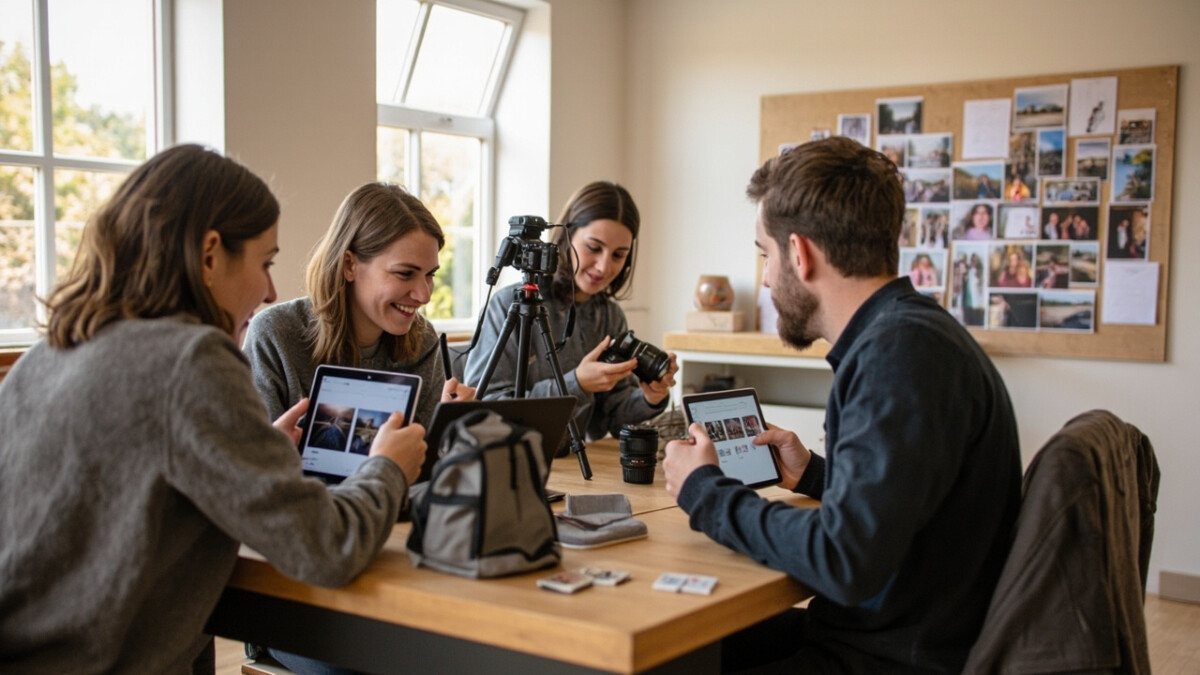
Photography has transformed from a niche hobby into a dynamic, multi-billion-dollar industry. Whether you dream of shooting high-fashion editorials, capturing breathtaking landscapes, or running a profitable commercial studio, the right education can accelerate your career. But for busy adults and working professionals, attending a traditional brick-and-mortar campus is often impractical. That is where an online photography degree becomes a game-changer. This guide walks you through everything you need to know about earning a photography degree online, from program types and accreditation to financial aid and career outcomes.
Why Choose an Online Photography Degree?
Online education has matured significantly over the past decade. Today, accredited online photography degree programs offer the same rigorous curriculum as their on-campus counterparts, with the added flexibility to learn from anywhere. For adult learners balancing jobs, family, and other commitments, this flexibility is invaluable. You can study at your own pace, revisit lectures, and complete assignments around your schedule.
Beyond convenience, online programs often provide access to top-tier instructors and industry professionals who may not be available locally. Many programs include virtual critiques, live portfolio reviews, and networking opportunities that connect you with photographers working in your chosen niche. Additionally, online learning can be more affordable when you factor in savings on commuting, housing, and campus fees. For a deeper look at how online programs can fast-track your career, see our guide on accelerating your career with the fastest online degree programs.
Types of Online Photography Degree Programs
Understanding the different degree levels is critical to making an informed choice. Each level serves a distinct purpose and prepares you for different career paths.
Associate Degrees in Photography
An Associate of Arts (AA) or Associate of Science (AS) in Photography typically takes two years of full-time study. These programs focus on foundational skills: camera operation, lighting, composition, and basic digital editing. Graduates often qualify for entry-level roles such as photo assistant, studio technician, or retail photography specialist. If you are unsure about committing to a four-year degree, an associate program is a low-risk starting point.
Bachelor’s Degrees in Photography
The Bachelor of Fine Arts (BFA) or Bachelor of Arts (BA) in Photography is the most common degree for aspiring professionals. A BFA emphasizes hands-on studio work and creative development, while a BA often includes more liberal arts and business coursework. Both paths typically require four years and cover advanced topics like color theory, visual storytelling, digital workflow, and professional practices. Many online bachelor’s programs now offer concentrations in areas such as commercial photography, photojournalism, or fine art photography. This degree opens doors to roles like staff photographer, photo editor, and freelance specialist.
Master’s Degrees in Photography
For those seeking leadership roles, teaching positions, or a competitive edge in the marketplace, a Master of Fine Arts (MFA) in Photography is the gold standard. Online MFA programs are intensive, often requiring two to three years of study and a final thesis exhibition. They focus on conceptual development, critical theory, and advanced technical mastery. Graduates often pursue careers as university professors, gallery directors, or high-end commercial artists. Some programs also offer a Master of Arts (MA) in Photography, which is less studio-heavy and more research-oriented.
Accreditation: Why It Matters for Your Online Photography Degree
Accreditation is the seal of quality that ensures your degree is recognized by employers, other institutions, and professional organizations. When researching online photography degree programs, always verify that the school holds regional accreditation from one of the seven U.S. regional accrediting bodies. Regional accreditation is the gold standard for academic transferability and federal financial aid eligibility.
Additionally, some photography programs seek specialized accreditation from organizations like the National Association of Schools of Art and Design (NASAD). While not mandatory, NASAD accreditation signals that the program meets rigorous industry standards. Attending an unaccredited school can leave you with a degree that employers may not respect and that may not transfer credits to other institutions. Always check the school’s accreditation status on the U.S. Department of Education’s database before enrolling.
What to Look for in an Online Photography Program
Not all online photography degrees are created equal. To ensure you get the best return on your investment, evaluate programs based on these key criteria:
- Curriculum depth and relevance: Does the program cover both technical skills (camera operation, lighting, editing) and business skills (marketing, pricing, client management)? The best programs integrate both.
- Instructor qualifications: Are the instructors practicing professionals with real-world experience? Look for faculty who have published work, exhibit in galleries, or run successful studios.
- Technology and equipment requirements: Understand what camera, software, and computer specs are required. Many programs provide access to Adobe Creative Cloud and other tools at a discount.
- Portfolio development and critique: A strong program will include multiple opportunities for constructive feedback and portfolio building, often through virtual critique sessions.
- Internship and networking opportunities: Does the program help connect you with internships, guest lectures, or alumni networks? These connections can be just as valuable as the coursework itself.
Taking the time to compare these elements across several programs will help you find the best fit for your goals and budget. Remember, the most expensive program is not always the best, and the cheapest may lack essential support services.
Financial Aid and Affordability
Cost is a major consideration for any adult learner. Fortunately, online photography degree programs can be surprisingly affordable, especially when compared to on-campus private art schools. Tuition for online programs varies widely, from around $10,000 per year at public universities to over $30,000 at private institutions. However, many schools offer significant discounts for online students.
Federal financial aid is available for accredited online programs. To qualify, you must complete the Free Application for Federal Student Aid (FAFSA). This can unlock grants, work-study opportunities, and low-interest federal loans. Additionally, many employers offer tuition reimbursement programs for employees pursuing degrees related to their field. If you are a working professional, check with your HR department before enrolling. For more detailed guidance on managing costs, explore our financial planning resources at DegreesOnline.Education, where you can compare program costs and find scholarships tailored to online learners.

Career Paths with an Online Photography Degree
One of the most common questions prospective students ask is, “What can I actually do with a photography degree?” The answer is more diverse than many realize. While some graduates become wedding or portrait photographers, others find lucrative careers in unexpected sectors.
Commercial and industrial photography is a high-demand field. Companies need skilled photographers to capture product images, architectural shots, and corporate headshots. Fashion and editorial photography remains competitive but rewarding for those with a strong portfolio and networking skills. Photojournalism and documentary photography offer opportunities to work with newspapers, magazines, and non-profit organizations. Additionally, many graduates move into related roles such as photo editing, art direction, digital marketing, and even forensic photography for law enforcement.
According to the U.S. Bureau of Labor Statistics, employment of photographers is projected to grow 9% from 2023 to 2033, faster than the average for all occupations. The median annual wage for photographers was approximately $40,000 in 2023, with top earners in commercial and scientific photography exceeding $75,000. An online degree can position you for these higher-paying roles by providing a structured portfolio and professional network.
Balancing Online Learning with Work and Life
Returning to school as an adult is a significant commitment. Success in an online photography program requires discipline, time management, and a supportive environment. Here are practical tips to thrive:
- Create a dedicated study space free from distractions.
- Set a weekly schedule and treat your coursework like a non-negotiable appointment.
- Connect with classmates through discussion boards and social media groups to combat isolation.
- Communicate with instructors early if you encounter challenges.
- Use the school’s academic support services, such as tutoring and writing centers.
Most online programs are designed for working adults, so they typically offer asynchronous classes (no set meeting times) and generous deadlines. However, some courses may require live virtual sessions for critiques or group projects. Be sure to check the program’s delivery format before enrolling to ensure it aligns with your availability.
Frequently Asked Questions
Can I become a professional photographer with an online degree? Yes. Employers and clients care most about your portfolio and skills, not whether your degree was earned online or on campus. Many successful photographers hold online degrees from accredited institutions.
How long does it take to complete an online photography degree? An associate degree typically takes two years, a bachelor’s degree takes four years, and a master’s degree takes two to three years. Accelerated programs may allow you to finish faster by taking heavier course loads.
Do I need expensive equipment to start? Most programs require a DSLR or mirrorless camera with manual controls. However, many schools offer equipment rental programs or partnerships with camera manufacturers for student discounts. You do not need top-of-the-line gear to begin learning.
Will an online degree limit my networking opportunities? Not necessarily. Reputable programs facilitate virtual networking through alumni groups, online portfolio reviews, and industry guest speakers. You can also supplement your education by joining professional organizations like the American Society of Media Photographers (ASMP) or attending local photography meetups.
Is financial aid available for part-time online students? Yes. Federal financial aid is generally available to part-time students enrolled at least half-time. Check with your school’s financial aid office for specific eligibility requirements.
Making Your Decision
Choosing to pursue an online photography degree is an investment in your creative future. The key is to find a program that aligns with your career goals, budget, and lifestyle. Start by researching three to five accredited programs, comparing their curricula, costs, and student outcomes. Reach out to admissions advisors with specific questions about equipment requirements, internship placements, and job placement rates after graduation. With the right preparation and a quality online education, you can build a rewarding career behind the lens. The path is flexible, the possibilities are vast, and the only thing holding you back is the decision to begin.