Workplace safety has evolved from a compliance checkbox into a strategic priority for organizations worldwide. Companies now seek professionals who can design safety systems, reduce risk, and protect employees. An online safety management degree offers a flexible path to enter or advance in this growing field. Whether you are a working professional seeking a promotion or a career changer looking for stability, a degree in safety management can open doors to roles such as safety coordinator, industrial hygienist, or environmental health and safety manager. The online format allows you to study while keeping your current job, making it a practical choice for busy adults.
Safety management professionals are in high demand across industries including construction, manufacturing, healthcare, and energy. According to the Bureau of Labor Statistics, employment for occupational health and safety specialists is projected to grow faster than average over the next decade. This growth is driven by increasing regulations, a focus on employee well-being, and the financial costs of workplace incidents. By earning a safety management degree online, you position yourself at the center of this demand. You gain the knowledge to create safer environments and help employers avoid costly fines and lawsuits.
This article explores what an online safety management degree entails, the types of programs available, how to choose the right one, and what career outcomes you can expect. We also address common questions about accreditation, cost, and time commitment. Our goal at DegreeOnline.Education is to help you make an informed decision about your education and future career. We provide objective program overviews and financial aid guidance to support your journey. For more insights on flexible degree options, see our guide on Flexible Business Bachelor’s Degree Programs Online which covers similar considerations for working learners.
What Is an Online Safety Management Degree?
An online safety management degree is an undergraduate or graduate program that prepares students to identify, evaluate, and control workplace hazards. The curriculum typically covers topics such as occupational health, industrial hygiene, safety engineering, risk assessment, emergency preparedness, and regulatory compliance. Students learn how to conduct safety audits, develop training programs, and implement safety management systems. The degree is often offered as a Bachelor of Science in Safety Management or a Master of Science in Safety Management, depending on the level of study.
Unlike general business or engineering degrees, a safety management degree is highly specialized. It focuses on the specific knowledge and skills needed to prevent accidents and promote health in the workplace. Many programs are aligned with professional certifications such as the Certified Safety Professional (CSP) or the Associate Safety Professional (ASP). This alignment means that coursework often covers the same body of knowledge required for these certifications, saving you time and money later. For example, a typical bachelor’s program might include courses in hazard control, fire protection, ergonomics, and safety law.
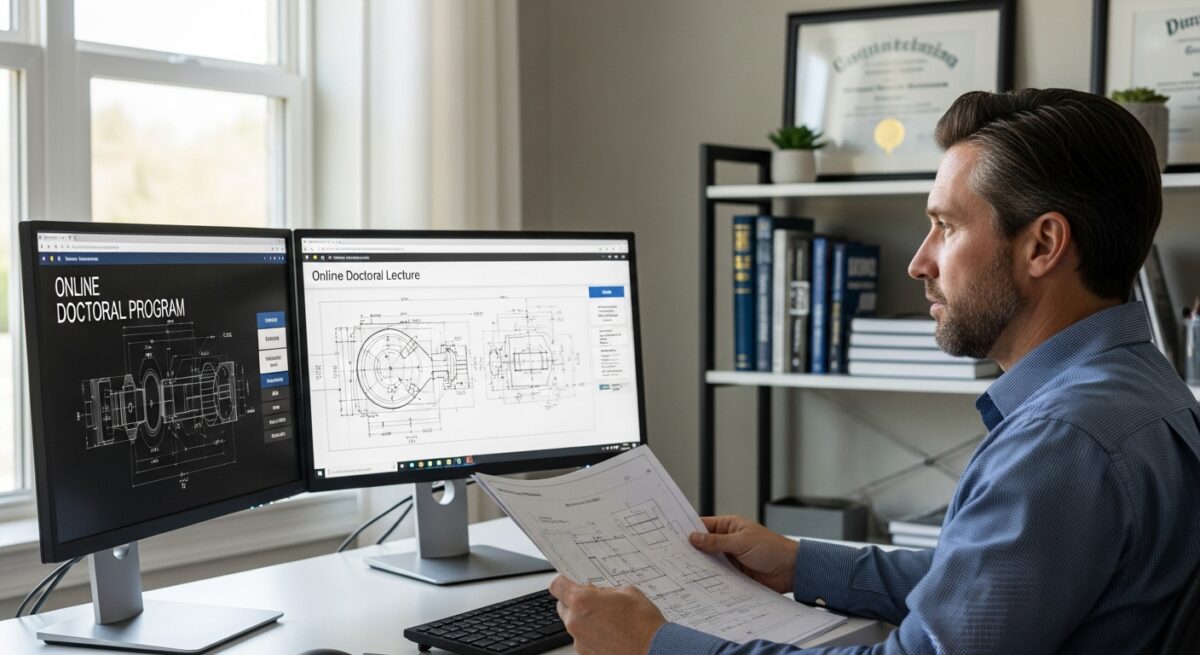
Online delivery of this degree has become increasingly common. Reputable universities now offer fully online programs that mirror their on-campus counterparts in rigor and accreditation. Students access lectures, assignments, and discussions through a learning management system. They may also participate in virtual labs or simulations. Some programs require a short on-campus residency for hands-on training, but many are 100% online. This flexibility is especially valuable for professionals who cannot relocate or quit their jobs.
Types of Safety Management Degrees Available Online
Bachelor’s Degree in Safety Management
The Bachelor of Science in Safety Management is the most common entry point for this field. It typically requires 120 credit hours and takes four years of full-time study. However, many online programs offer accelerated tracks that allow you to finish in three years or less if you have transfer credits. The curriculum includes general education requirements plus core safety courses. You will study topics like safety program management, industrial hygiene, environmental compliance, and accident investigation. Some programs also offer concentrations in areas such as construction safety or healthcare safety.
Graduates of a bachelor’s program are prepared for roles such as safety specialist, loss control consultant, or compliance officer. They often work in manufacturing plants, construction sites, or corporate offices. The degree also serves as a stepping stone to a master’s program or professional certification. Many employers require at least a bachelor’s degree for safety management positions, so this credential is essential for career advancement.
Master’s Degree in Safety Management
For those who already hold a bachelor’s degree in a related field (such as engineering, nursing, or business), a Master of Science in Safety Management can provide advanced knowledge and leadership skills. Master’s programs typically require 30 to 36 credit hours and can be completed in 18 to 24 months of part-time study. Courses cover advanced topics like safety analytics, risk management, system safety, and organizational behavior. Many programs include a capstone project or thesis that allows you to solve a real-world safety problem.
Graduates of master’s programs often move into senior roles such as safety director, environmental health and safety manager, or chief safety officer. They are also better positioned for consulting or academic careers. The advanced degree signals to employers that you have deep expertise and a commitment to the field. It can also lead to higher salaries. According to industry surveys, safety professionals with a master’s degree earn 15-20% more than those with only a bachelor’s.
Graduate Certificates and Associate Degrees
In addition to full degree programs, many universities offer graduate certificates in safety management. These are shorter programs (usually 12 to 18 credit hours) that focus on a specific area such as industrial hygiene or safety leadership. Certificates can be a good option if you already have a degree in another field and want to add safety credentials without committing to a full master’s. They also serve as a trial run for those considering a master’s program.
Associate degrees in safety management are less common but do exist. They typically require 60 credit hours and prepare students for entry-level roles like safety technician or assistant. These programs can be a cost-effective way to start a safety career, and credits often transfer to a bachelor’s program. However, most professional safety positions require at least a bachelor’s degree, so an associate degree should be viewed as a starting point rather than a terminal credential.
Key Benefits of Earning a Safety Management Degree Online
Choosing an online format for your safety management degree offers several advantages over traditional on-campus programs. The most obvious benefit is flexibility. You can study at your own pace, on your own schedule, from anywhere with an internet connection. This is ideal for working professionals, parents, or military personnel who cannot commit to a fixed class schedule. Many online programs are asynchronous, meaning you can watch lectures and complete assignments at any time. Others offer live sessions that are recorded for later viewing.
A second benefit is cost savings. Online programs often have lower tuition rates than their on-campus counterparts, and you save on commuting, housing, and parking fees. You can also continue working while you study, which means you avoid lost income. Some employers even offer tuition reimbursement for job-related degrees. Additionally, online programs may have lower fees for technology or lab materials. When comparing costs, be sure to factor in these savings.
Another advantage is access to a wider range of programs. You are not limited to schools in your geographic area. You can choose from accredited programs across the country, or even internationally. This allows you to find a program that specializes in your area of interest, whether that is construction safety, healthcare safety, or environmental management. You can also compare program quality, faculty expertise, and student support services more easily.
Finally, online learning can enhance your technical and self-discipline skills. You will become proficient in using digital collaboration tools, learning management systems, and virtual communication platforms. These skills are increasingly valued in today’s remote and hybrid workplaces. Completing an online degree demonstrates to employers that you are self-motivated, organized, and capable of managing your time effectively. These soft skills are just as important as the technical knowledge you gain.
How to Choose the Right Online Safety Management Program
Selecting the right program requires careful research. Here are the most important factors to consider:
- Accreditation: Ensure the program is accredited by a recognized agency such as the Accreditation Board for Engineering and Technology (ABET) or the Southern Association of Colleges and Schools Commission on Colleges (SACSCOC). Accreditation ensures the program meets quality standards and that your degree will be recognized by employers and other institutions.
- Curriculum and Specializations: Review the course list to see if it covers the topics that interest you. Some programs offer concentrations in construction safety, healthcare safety, or industrial hygiene. Choose a program that aligns with your career goals.
- Faculty Qualifications: Look for programs where instructors have real-world safety experience and advanced degrees. Adjunct faculty who work as safety directors or consultants can bring practical insights to the classroom.
- Student Support Services: Online students need robust support including academic advising, career counseling, technical support, and library access. Check what services are available and whether they are accessible 24/7.
- Cost and Financial Aid: Compare tuition rates and fees across programs. Inquire about financial aid options, scholarships, and payment plans. Some universities offer reduced tuition for in-state residents even for online programs.
- Graduation and Job Placement Rates: Ask for data on graduation rates and job placement within six months of graduation. High rates indicate a program that effectively prepares students for the workforce.
After considering these factors, you should narrow your list to two or three programs that meet your needs. Contact the admissions office for each program and ask to speak with a current student or alumni. This can give you a realistic view of the program’s strengths and weaknesses. You can also visit online forums and read reviews from other students. Remember that the best program for you is one that fits your lifestyle, budget, and career aspirations.

Another important consideration is whether the program prepares you for professional certification. Many employers prefer or require certifications such as the Certified Safety Professional (CSP) or the Associate Safety Professional (ASP). Some online programs integrate exam preparation into their curriculum. Others offer separate test prep courses. If certification is important to you, choose a program that explicitly supports this goal. You can also check the Board of Certified Safety Professionals website for a list of programs that align with their exam content.
Career Paths and Salary Expectations
Graduates of online safety management degree programs have a wide range of career options. Entry-level positions include safety technician, safety coordinator, and environmental health and safety assistant. With a few years of experience, you can move into roles such as safety specialist, industrial hygienist, or loss control consultant. Senior roles include safety manager, safety director, and vice president of safety. Some professionals also work as independent consultants or trainers.
Salaries vary based on location, industry, experience, and education level. According to the Bureau of Labor Statistics, the median annual wage for occupational health and safety specialists was $78,000 in 2022. The top 10% earned more than $120,000. Safety managers in high-risk industries like oil and gas or construction often earn higher salaries. Professionals with a master’s degree or professional certification also command higher pay. For example, a Certified Safety Professional (CSP) can earn 10-20% more than a non-certified peer.
Job growth in this field is strong. The BLS projects a 7% increase in employment for occupational health and safety specialists from 2022 to 2032, faster than the average for all occupations. This growth is driven by ongoing regulatory changes, increased awareness of workplace mental health, and the financial impact of workplace injuries. Companies are investing more in safety programs to reduce workers’ compensation costs and improve employee retention. As a result, demand for qualified safety professionals remains high.
To further enhance your career prospects, consider joining professional organizations such as the American Society of Safety Professionals (ASSP) or the National Safety Council (NSC). These organizations offer networking opportunities, continuing education, and job boards. Many also have local chapters that host events and webinars. Membership can help you stay current with industry trends and connect with potential employers. Additionally, some employers offer tuition reimbursement for employees pursuing safety degrees. If you are currently employed, ask your human resources department about educational benefits.
For those exploring flexible degree options in other fields, Flexible Business Bachelor’s Degree Programs Online provides similar insights on balancing work and study. The principles of choosing an accredited program, evaluating costs, and leveraging career services apply across disciplines.
Frequently Asked Questions
Is an online safety management degree respected by employers?
Yes, provided the program is from an accredited university. Employers care more about the quality of education and accreditation than the delivery method. Many top universities now offer online degrees that are identical to their on-campus versions.
Can I complete a safety management degree entirely online?
Most programs are fully online, though some may require a short on-campus residency for hands-on training or a capstone project. Check the program requirements before applying.
How long does it take to earn a safety management degree online?
A bachelor’s degree typically takes four years of full-time study, but accelerated programs can be completed in three years. A master’s degree usually takes 18-24 months of part-time study. Graduate certificates can be completed in 6-12 months.
What are the prerequisites for a master’s in safety management?
Most programs require a bachelor’s degree from an accredited institution, a minimum GPA (often 3.0), and some work experience in a related field. Some programs also require prerequisite coursework in science or math.
Does the program prepare me for the Certified Safety Professional (CSP) exam?
Many programs align their curriculum with the CSP exam content. However, you should verify this with the program. Some also offer separate test preparation courses.
Can I transfer credits from a community college?
Many online bachelor’s programs accept transfer credits from accredited community colleges. This can reduce the time and cost of your degree. Check with the admissions office for their transfer credit policy.
What financial aid is available for online safety management degrees?
Online students are eligible for federal financial aid (FAFSA), scholarships, and employer tuition reimbursement. Some universities also offer military benefits and payment plans. Complete the FAFSA to determine your eligibility.
For more detailed financial guidance, visit scholarship.education to explore funding opportunities specifically for safety and health students.
Start Your Journey Toward a Safer Workplace
An online safety management degree is a strategic investment in your future. It equips you with the skills to protect people and assets while opening doors to a stable, growing career. The flexibility of online learning makes it possible for you to earn this credential without putting your life on hold. Whether you choose a bachelor’s, master’s, or certificate program, the key is to select an accredited program that aligns with your goals and budget.
At DegreeOnline.Education, we are committed to helping you find the right program. We provide objective information on accredited online degrees, financial aid options, and career outcomes. Use our resources to compare programs, read reviews, and connect with schools. Your path to becoming a safety professional starts with a single step: researching your options and applying to the program that fits you best. The demand for safety experts is not slowing down, and by earning your degree now, you position yourself for long-term success in a field that truly makes a difference.