The fashion industry has always demanded creativity, precision, and a sharp understanding of trends. For decades, the only path to a fashion career required relocating to a major city and attending a physical campus. That barrier has disappeared. Today, a growing number of accredited universities offer fashion degree online programs that deliver the same rigorous curriculum as their on-campus counterparts. These programs allow you to study design, merchandising, textiles, and brand management from anywhere in the world. Whether you are a working professional seeking a career change or a recent high school graduate looking for flexibility, an online fashion design degree can open doors to roles in styling, product development, and retail leadership. This article will help you evaluate your options, understand the financial landscape, and select a program that aligns with your goals.
What to Expect from an Online Fashion Degree
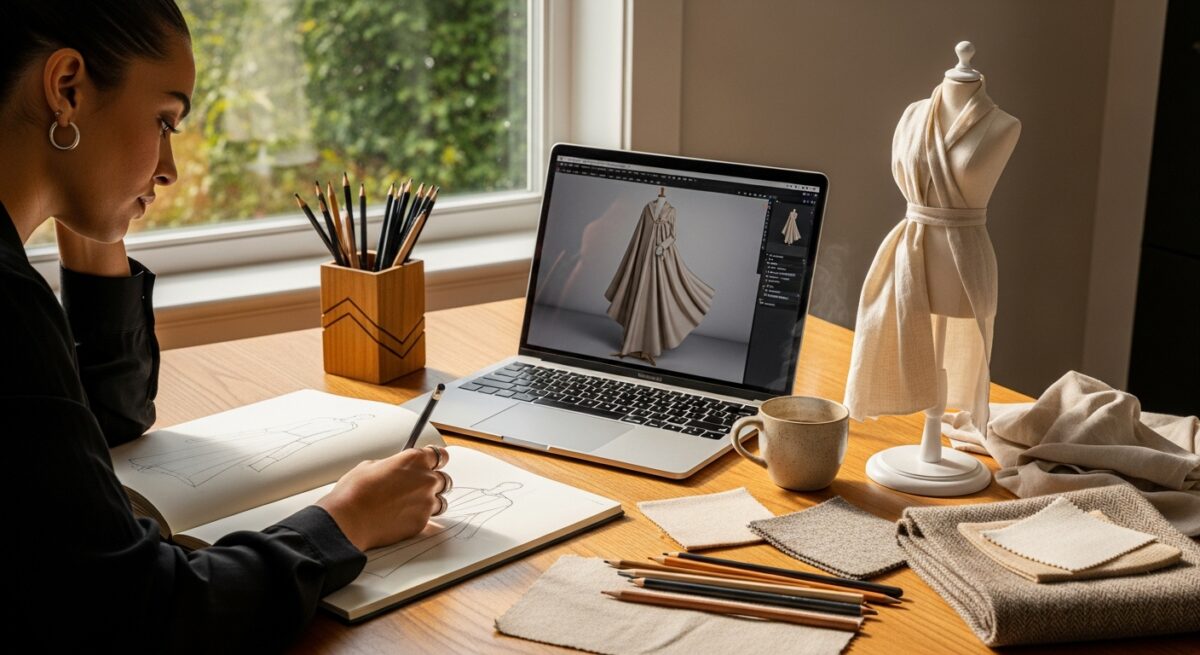
An online fashion degree online program is not a simplified version of a traditional degree. Accredited programs require the same number of credit hours, the same rigor, and often the same faculty. The difference lies in delivery. Courses are taught through a learning management system where you access lectures, submit assignments, and participate in discussion boards. Many programs also include virtual labs where you can simulate fabric draping, pattern making, and color theory exercises. Some schools require a short on-campus residency for intensive workshops or portfolio reviews, but the majority of coursework is completed remotely.
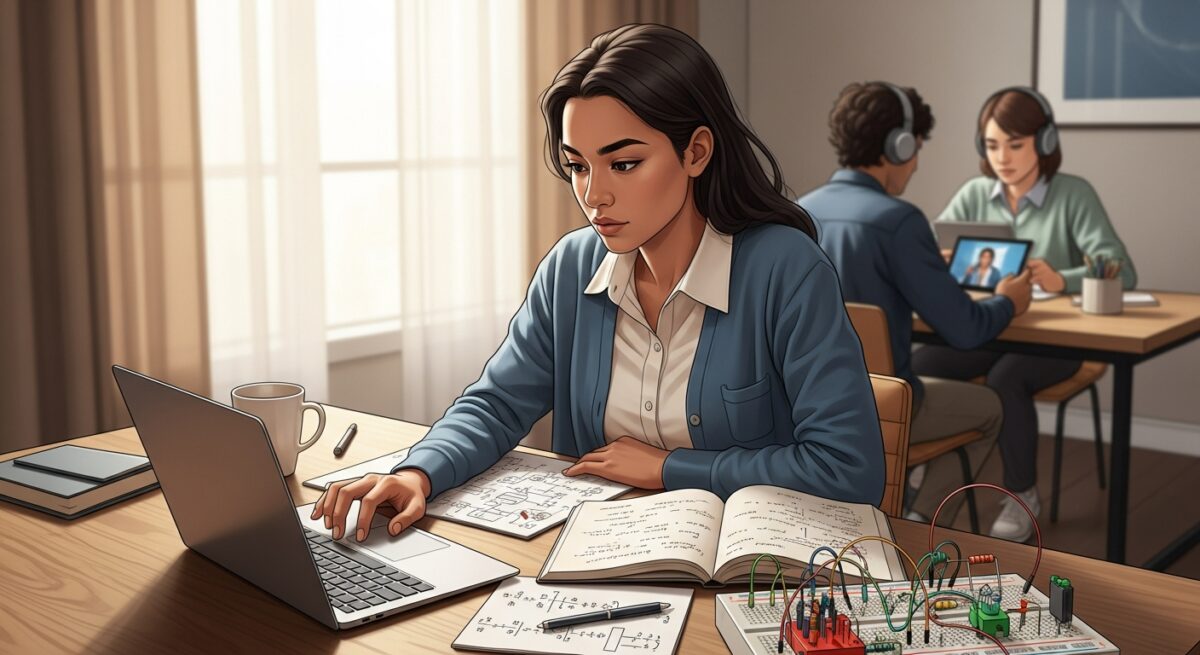
Students who thrive in these programs are self-motivated and comfortable with digital collaboration. You will need reliable internet access, a computer that can run design software such as Adobe Illustrator or CLO 3D, and a dedicated workspace. Most programs offer asynchronous classes, meaning you can watch lectures and complete assignments on your own schedule. This flexibility is a major advantage for adult learners who must balance work, family, and education. However, you should expect weekly deadlines, group projects, and live virtual critiques with instructors. The workload is comparable to a full-time job, especially in upper-level studio courses.
When researching a fashion degree online, pay close attention to the curriculum structure. A Bachelor of Science in Fashion Merchandising will focus on business analytics, supply chain logistics, and consumer behavior. A Bachelor of Fine Arts in Fashion Design will emphasize sketching, garment construction, and portfolio development. Some programs offer concentrations in sustainable fashion, digital marketing, or luxury brand management. Knowing your career destination will help you choose the right track.
Accreditation Matters for Your Career and Wallet
Accreditation is the single most important factor when evaluating online fashion design degree programs. Regional accreditation, granted by agencies recognized by the Council for Higher Education Accreditation (CHEA) or the U.S. Department of Education, ensures that your credits are transferable and that your degree is respected by employers. Specialized accreditation from organizations like the National Association of Schools of Art and Design (NASAD) adds an extra layer of quality assurance for art and design programs.
Why does this matter? If you ever plan to pursue a master’s degree, regional accreditation is non-negotiable. Graduate schools typically only accept undergraduate degrees from regionally accredited institutions. Additionally, federal financial aid, including Pell Grants and Direct Loans, is only available to students enrolled in accredited programs. Many employers, especially in corporate retail and high-end fashion houses, verify accreditation before considering a candidate. Skipping this step can leave you with a degree that has limited value.
To verify accreditation, visit the school’s website or the database of the Council for Higher Education Accreditation. Be cautious of programs that advertise “national accreditation” from unrecognized agencies. These programs may be cheaper and easier to complete, but they often fail to open doors in the competitive fashion industry. A legitimate fashion degree online program will prominently display its accreditation status. If you cannot find this information, contact the admissions office directly.
Comparing Program Formats and Specializations
Not all online fashion degree programs are built the same. Some are fully online, while others are hybrid models requiring periodic campus visits. Fully online programs are ideal for students who live far from the university or have rigid work schedules. Hybrid programs, often called low-residency programs, require one or two weeks on campus each semester. These intensives are valuable for hands-on skills like draping, sewing, and fitting. If you live near a participating campus, hybrid models can offer the best of both worlds.
Specializations are another key differentiator. Before enrolling, consider which segment of the fashion industry excites you most. Here are common specializations found in fashion degree online programs:
- Fashion Design: Focuses on sketching, pattern making, textiles, and garment construction. You will build a professional portfolio.
- Fashion Merchandising: Covers retail buying, inventory management, visual merchandising, and consumer psychology. Prepares you for corporate roles.
- Fashion Marketing and Management: Combines branding, digital marketing, social media strategy, and business leadership. Ideal for entrepreneurial students.
- Sustainable Fashion: Explores ethical sourcing, circular economy models, and eco-friendly production methods. A growing field with strong job prospects.
Each specialization leads to different career paths. A design degree may lead to roles as a pattern maker or technical designer. A merchandising degree often leads to positions as a buyer, planner, or allocation analyst. Marketing graduates frequently work as brand managers or social media coordinators. Take time to read course descriptions and talk to alumni before committing. The best fashion degree online program is the one that aligns with your specific interests and industry demand.
Financial Aid, Scholarships, and Total Cost
Cost is a major concern for most prospective students. Online programs can be more affordable than traditional on-campus degrees because they eliminate commuting, housing, and meal plan expenses. However, tuition varies widely. Public universities often offer lower tuition rates for in-state students, while private institutions charge a flat rate regardless of residency. Some schools charge a per-credit rate that decreases as you take more credits per term.
Financial aid is available for accredited online fashion design degree programs. Start by completing the Free Application for Federal Student Aid (FAFSA) to determine your eligibility for grants, work-study, and federal loans. Many universities also offer institutional scholarships based on merit, portfolio quality, or financial need. Additionally, professional organizations like the Fashion Group International and the Council of Fashion Designers of America offer scholarships for fashion students. Do not overlook employer tuition reimbursement programs. Many retailers and apparel companies offer this benefit to employees pursuing a fashion degree online.
To avoid overpaying, use the net price calculator on each school’s website. This tool estimates your out-of-pocket cost after scholarships and grants. Compare offers from multiple programs before making a decision. Remember that the cheapest program is not always the best value. A slightly more expensive degree from a well-connected school may lead to better internships and job placements. For more information on comparing program costs, read our guide on Earn Your Degree Online in Ohio: A Guide to Top Programs for strategies that apply nationally.

If you are still unsure about financing, consider exploring resources at collegedegree.education for additional scholarship databases and financial planning tools tailored to adult learners.
Technology Requirements and Learning Tools
An online fashion degree online program demands more than just a laptop. Design courses require software that can handle complex 2D and 3D rendering. Most programs specify minimum hardware requirements, including a dedicated graphics card, at least 8GB of RAM, and a high-resolution monitor. You will also need a reliable webcam and microphone for live critiques and presentations. Some schools provide software licenses for free or at a discount, while others expect you to purchase them independently.
Beyond hardware, you should be comfortable with video conferencing platforms like Zoom or Microsoft Teams, cloud storage services like Google Drive or Dropbox, and learning management systems like Canvas or Blackboard. Many programs incorporate digital portfolio platforms such as Portfolium or Wix to showcase your work. If you are not tech-savvy, look for programs that offer an orientation module or technical support hotline. A supportive IT department can make the difference between a frustrating experience and a smooth one.
Online collaboration is another critical skill. Group projects simulate real-world fashion teams where designers, merchandisers, and marketers work together remotely. You will use tools like Slack, Trello, or Asana to manage tasks and deadlines. Embrace these tools early, as they are widely used in the fashion industry. The ability to communicate clearly through written messages and video calls is a skill that employers value highly.
Frequently Asked Questions
Can I get a fashion degree completely online?
Yes, many accredited universities offer fully online fashion degree online programs with no campus visits required. However, some programs include optional or required short residencies for hands-on studio work. Always check the program details before applying.
How long does it take to complete an online fashion design degree?
A bachelor’s degree typically takes four years of full-time study. Accelerated programs may allow you to finish in three years by taking courses year-round. Part-time options are available and can extend the timeline to five or six years.
Are online fashion degrees respected by employers?
Yes, as long as the program is regionally accredited. Employers in the fashion industry care more about your portfolio, skills, and experience than the format of your degree. Many top brands hire graduates from online programs.
What can I do with an online fashion degree?
Graduates work as fashion designers, buyers, merchandisers, brand managers, stylists, textile developers, and supply chain coordinators. The degree also prepares you for entrepreneurial ventures like starting your own clothing line or retail business.
How much does an online fashion degree cost?
Tuition ranges from $10,000 to $60,000 total for a bachelor’s degree, depending on the school and your residency status. Online programs often save you money on housing and transportation. Financial aid and scholarships can significantly reduce the net cost.
Making Your Final Decision
Choosing the right fashion degree online program requires careful research and self-reflection. Start by identifying your career goals and preferred specialization. Then evaluate schools based on accreditation, curriculum, cost, and student support services. Reach out to admissions counselors and ask about graduation rates, job placement statistics, and alumni networks. If possible, connect with current students or graduates through LinkedIn or school forums. Their firsthand experiences can reveal strengths and weaknesses not listed on the website.
Remember that the fashion industry values creativity, persistence, and business acumen. An online fashion design degree can provide the foundational knowledge and credentials you need, but your success will ultimately depend on your portfolio, networking, and willingness to adapt. Take advantage of internship opportunities, freelance projects, and industry events offered through your program. Treat your online education as a launchpad, not a finish line. With the right program and a proactive mindset, you can build a rewarding career in fashion from anywhere in the world.