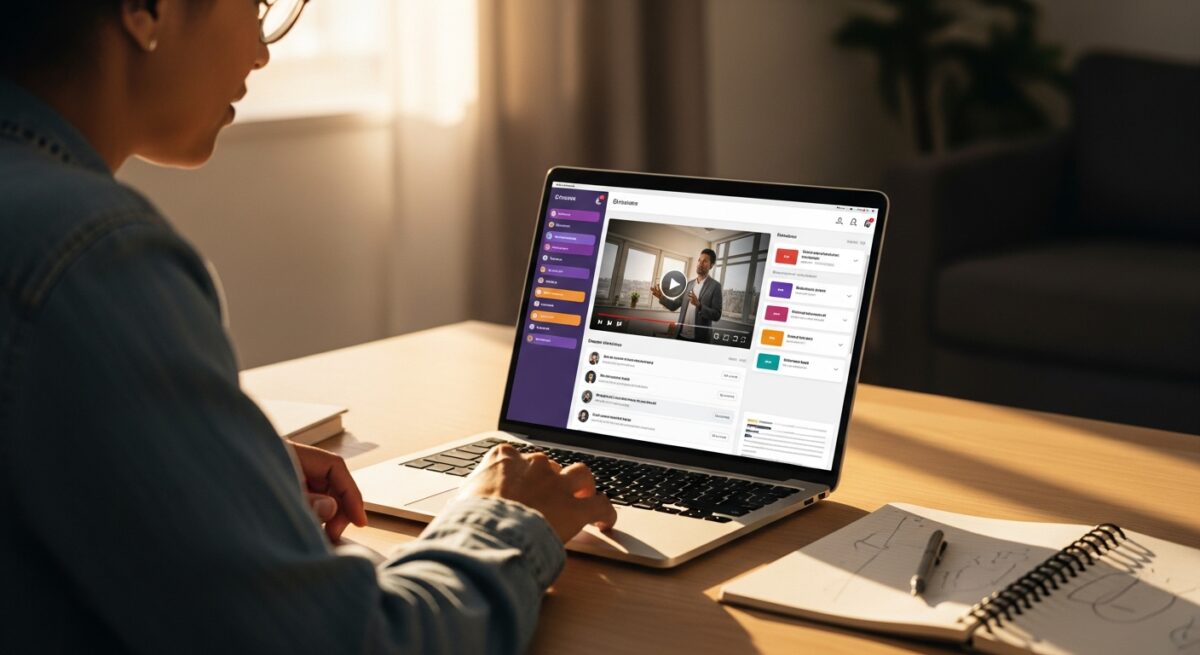
The traditional classroom is no longer the only frontier for academic and professional development. Virtual learning programs have permanently reshaped the educational landscape, offering unprecedented flexibility and access to a world of knowledge. From accredited university degrees to specialized skill certifications, these digital platforms deliver structured learning directly to your device, dissolving geographical barriers and rigid schedules. This evolution isn’t merely a convenience; it’s a fundamental shift in how we approach lifelong learning, career pivots, and personal enrichment. Understanding how to effectively navigate, select, and succeed within these programs is the key to unlocking their full potential.
The Core Components of Effective Virtual Programs
Not all online learning experiences are created equal. The most effective virtual learning programs are built upon a foundation of specific, student-centered components that foster engagement and ensure academic integrity. At the heart of a quality program is a robust Learning Management System (LMS). This digital platform serves as the virtual campus, hosting course materials, assignment submissions, discussion forums, and gradebooks. A user-friendly, reliable LMS is non-negotiable for a seamless experience. Beyond the technology, the pedagogical design of the courses themselves is critical. This involves intentional curriculum structuring for an online format, which often means modular content, clear weekly objectives, and a mix of asynchronous and synchronous activities.
The human element remains irreplaceable. Qualified, accessible instructors who are trained in online pedagogy can make the difference between a sterile transaction and a transformative educational journey. Their role evolves from a lecturer to a facilitator and mentor, guiding discussions, providing timely feedback, and fostering a community of learners. Furthermore, comprehensive student support services are a hallmark of reputable programs. This includes technical help desks, online library access, academic advising, and even virtual career services. These resources ensure students are not left to navigate challenges alone, mirroring the support systems found on physical campuses. For those concerned about legitimacy, it’s essential to understand how to check if a college or program is accredited, as this is the primary indicator of quality and recognition.
Selecting the Right Program for Your Goals
The vast array of virtual learning options can be overwhelming. A strategic approach to selection begins with a clear personal audit. Define your primary objective: are you seeking career advancement, a complete career change, personal development, or formal licensure? Your goal will dictate the type of program you need, whether it’s a full degree, a professional certificate, or a short-course series. Next, scrutinize the program’s credentials and structure. Accreditation is paramount for degree programs, ensuring the qualification is recognized by employers and other institutions. Examine the curriculum in detail, the biographies of faculty, and the technological requirements to ensure they align with your learning style and available resources.
Consider the logistics of delivery. Some programs are entirely asynchronous, allowing you to complete work on your own schedule, while others have mandatory live sessions (synchronous). Your choice should complement your lifestyle and time management abilities. Investigate the level of interaction: are there opportunities for group projects, live Q&A sessions, or peer review? High interaction can combat the isolation sometimes felt in online settings. Finally, assess the tangible outcomes. Research the program’s graduation rates, job placement statistics (if applicable), and the strength of its alumni network. Reaching out to admissions counselors and, if possible, current students can provide invaluable firsthand insights. For those exploring advanced credentials in education, reviewing options like the best online MAT programs can offer a focused starting point.
Strategies for Success in a Digital Classroom
Enrolling in a virtual program is just the first step; thriving in one requires a distinct set of strategies and mindsets. Success hinges on self-discipline and proactive organization. Unlike a physical class with a fixed meeting time, online learning demands that you create and fiercely protect your own schedule. This begins with mastering time management. At the start of each term, review all syllabi and enter every major deadline, exam date, and live session into a centralized calendar. Then, block out dedicated, recurring study times in your week, treating them as immovable appointments.
Beyond scheduling, active participation is the engine of online learning. The discussion forum is your virtual seminar room. Here’s a framework for engaging effectively:
- Read and synthesize first: Before posting, thoroughly absorb the assigned material and any existing peer comments.
- Post early and substantively: Aim to be one of the first contributors to spark conversation. Move beyond “I agree” by adding analysis, a relevant example, or a thoughtful question.
- Engage with peers: Respond directly to at least two classmates’ posts each week, building on their ideas or offering a respectful counterpoint.
- Connect to experience: Where relevant, tie course concepts to your professional or personal life to deepen understanding.
Creating a dedicated, distraction-free study space is also crucial. This physical cue helps your brain transition into “learning mode.” Furthermore, communicate proactively with instructors. If you’re struggling with a concept or have a scheduling conflict, reach out early. Building that rapport makes it easier to ask for help and demonstrates your commitment. It’s also wise to familiarize yourself with common issues faced in e-learning, such as technology hiccups or motivation slumps, so you can preemptively develop solutions.
The Expanding Reach and Future of Online Education
Virtual learning programs are no longer limited to business or technology fields. Their reach has expanded dramatically, democratizing access to specialized and high-demand disciplines. You can now find comprehensive online pathways in healthcare, like nursing or health administration, in public safety through emergency management degrees, and in creative fields like digital marketing. This expansion includes foundational education, with many institutions offering fully online paths to a Degree in Elementary Education and subsequent teaching licensure. The proliferation of Micro-credentials and digital badges allows professionals to upskill in precise areas without committing to a full degree, offering agility in a fast-changing job market.
Looking ahead, the integration of immersive technologies like virtual reality (VR) and augmented reality (AR) promises to add new dimensions of experiential learning, particularly in fields requiring hands-on practice. Artificial intelligence is poised to offer hyper-personalized learning pathways, adapting content in real-time to a student’s pace and proficiency. Furthermore, the growing acceptance of online credentials by employers solidifies their value. The future points toward a blended, lifelong learning ecosystem where individuals seamlessly move between in-person and virtual learning programs throughout their careers, continuously acquiring new skills and knowledge with unparalleled convenience.
Virtual learning programs represent a powerful tool for personal and professional transformation. By choosing a quality program with intention and applying disciplined, engaged learning strategies, you can achieve your educational goals without putting your life on hold. The digital classroom is open, and its potential is limited only by your commitment to walk through its virtual door and participate fully in the journey ahead.