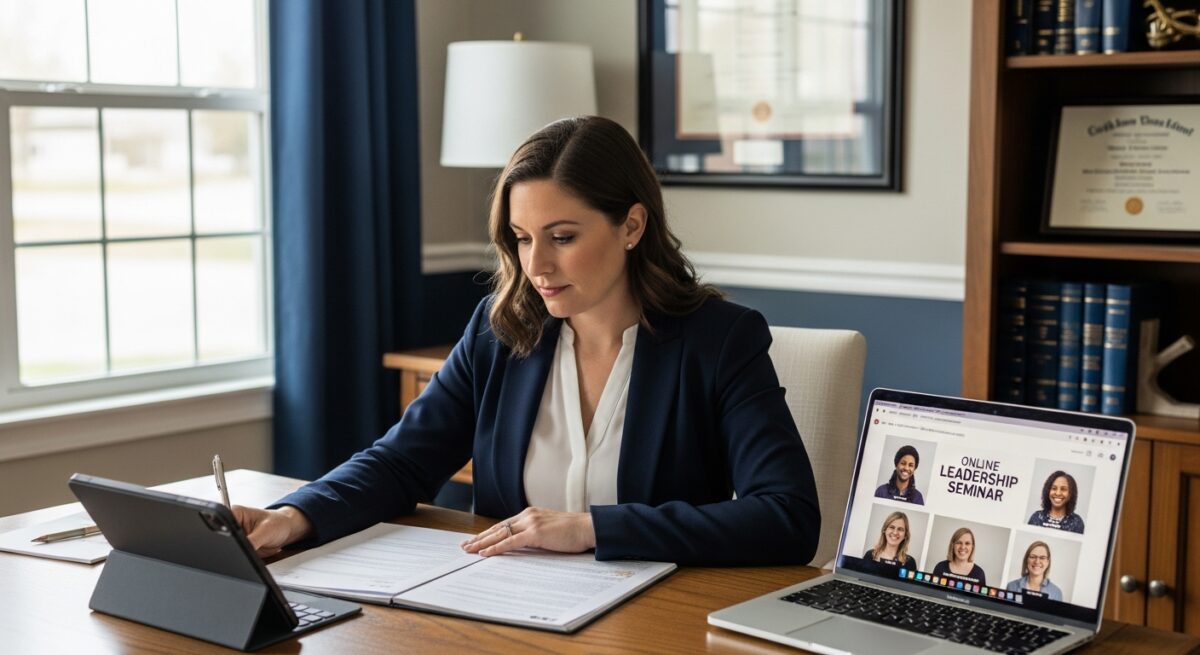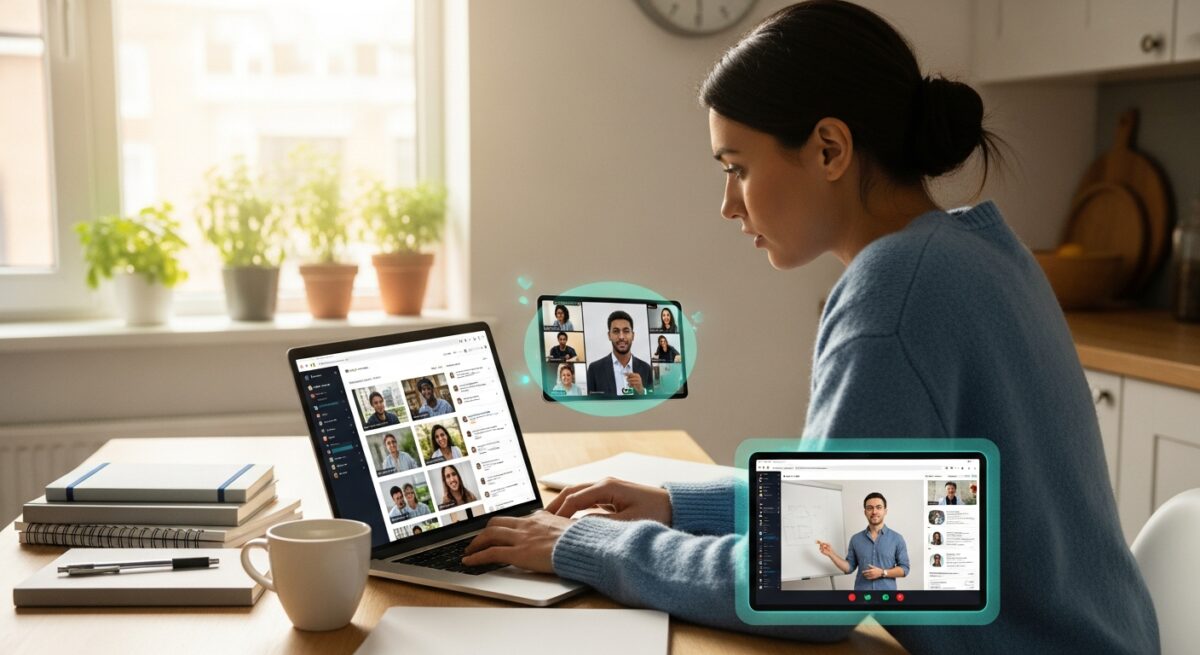
The landscape of learning has fundamentally shifted. No longer confined by geography, schedules, or the walls of a traditional classroom, education is now accessible in real-time from anywhere with an internet connection. The convergence of web courses and remote study has created a powerful, democratizing force in academia and professional development. This model offers a sophisticated blend of structured curriculum and unprecedented flexibility, allowing learners from all walks of life to pursue degrees, master new skills, and advance their careers on their own terms. Whether you’re seeking a full degree in health administration, a certificate in digital marketing, or simply expanding your knowledge through specialized web courses, remote study provides a viable and effective pathway.
The Structure and Technology of Modern Remote Learning
At its core, a high-quality remote study program is built upon a robust digital campus. This is more than just a repository for PDFs; it’s an interactive ecosystem. Learning Management Systems (LMS) like Canvas, Blackboard, or Moodle serve as the central hub. Here, students access multimedia lectures, participate in discussion forums, submit assignments, take quizzes, and track their progress. The best platforms integrate seamlessly with video conferencing tools like Zoom or Microsoft Teams for live, synchronous sessions that foster community and real-time interaction with instructors and peers.
The content delivery itself is designed for engagement. Instead of hour-long video monologues, modern web courses often feature micro-lectures, interactive simulations, and embedded quizzes to reinforce learning. This approach, known as micro-learning, aligns with how we process information in the digital age and is particularly effective for remote study. For those interested in technical fields, platforms may even offer virtual labs or cloud-based software access. For example, students in online university computer programming courses often use shared coding environments to collaborate on projects in real-time, mirroring professional workflows.
Choosing the Right Program for Your Goals
With thousands of options available, selecting the right web course or degree program requires careful consideration. The first step is to clarify your objective. Are you aiming for a full accredited degree, such as an online business administration degree, or are you seeking skill-specific credentials to boost your current career? Your goal will dictate the type of institution and program you target. For academic degrees, regional accreditation is the gold standard, ensuring the credential is widely recognized by employers and other institutions.
Next, scrutinize the program’s structure. Is it entirely asynchronous, allowing you to complete work at any time, or does it have required live sessions? Does it follow a traditional semester schedule or offer accelerated, self-paced modules? Evaluate the support services: is there dedicated technical help, academic advising, and career services for remote students? Investigating these elements upfront can prevent frustration later. A great resource for understanding the mechanics is our detailed breakdown on how university online courses work, which covers everything from enrollment to final exams.
To streamline your evaluation, consider these key factors:
- Accreditation Status: Verify the institution’s accreditation through official databases like the U.S. Department of Education’s website.
- Student Support Resources: Look for 24/7 tech support, online libraries, writing centers, and accessible faculty office hours.
- Career Outcomes: Research graduate success rates, employer partnerships, and the strength of the alumni network.
- Technology Requirements: Ensure you have the necessary hardware, software, and consistent internet bandwidth.
- Cost and Financial Aid: Understand the total cost, including fees, and explore options for scholarships, grants, or employer tuition reimbursement.
Cultivating Success in a Remote Learning Environment
Success in web courses demands a different set of strategies than traditional classroom learning. The freedom of remote study is its greatest asset and its most significant challenge. Proactive self-discipline and time management are non-negotiable. This involves creating a dedicated study space, establishing a consistent weekly schedule that treats coursework like a professional commitment, and using digital tools like calendar blocking and task management apps to stay on track.
Beyond logistics, the social and cognitive aspects are crucial. Actively participating in online discussions is not just for a grade; it’s how you build a learning community, debate ideas, and deepen your understanding. Don’t hesitate to reach out to instructors via email or during virtual office hours. Developing these connections can lead to mentorship and valuable professional references. Furthermore, embrace the iterative nature of learning. Use practice quizzes, re-watch complex lecture segments, and form virtual study groups. The isolation of remote study can be mitigated by intentionally engaging with every interactive component the course offers.
The Future of Education Is Hybrid and Adaptive
The trajectory of web courses and remote study points toward increasingly personalized and immersive experiences. We are moving beyond the simple digitization of classroom materials and toward adaptive learning technologies. These systems use AI to analyze a student’s performance and then customize the learning path in real-time, providing additional resources on challenging topics or accelerating through mastered material. Furthermore, the integration of credentialing and micro-credentials allows learners to stack smaller, targeted certificates into a larger qualification, offering immense flexibility for career changers and lifelong learners.
This evolution makes specialized, high-quality education more accessible than ever. Whether it’s gaining cutting-edge knowledge through AI and data science courses useful for educators and professionals alike, or pursuing a comprehensive degree in emergency management from home, the barriers continue to fall. The institutions that thrive will be those that master not only content delivery but also the curation of a supportive, interactive, and outcomes-focused digital learning community.
Web courses and remote study are no longer an alternative; they are a mainstream, powerful mode of education. They empower individuals to design their own educational journeys, balancing learning with life’s other responsibilities. By understanding the structure, making informed choices, and adopting effective learning strategies, you can leverage this modern academic model to achieve your personal and professional aspirations, turning flexibility into your greatest academic advantage.