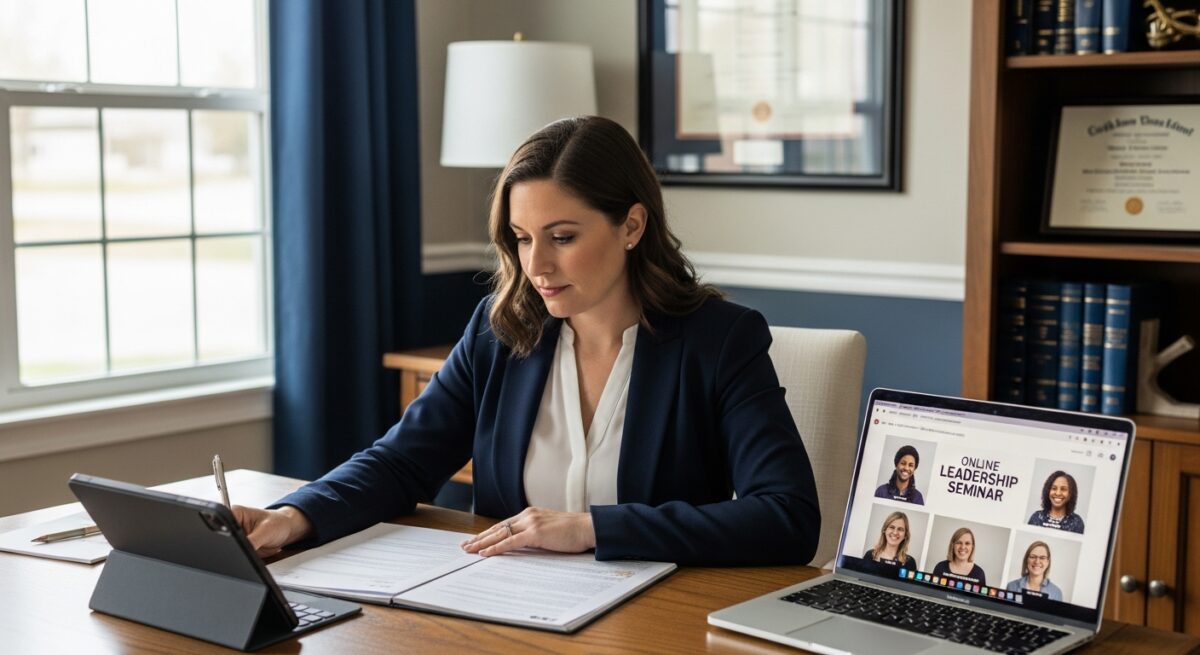
Gone are the days when a quality education required a daily commute to a physical campus. Today, remote study programs have evolved from a niche alternative into a powerful, mainstream pathway for earning degrees, advancing careers, and pursuing lifelong learning. Whether you’re a working professional seeking an online business administration degree, a parent looking into a degree in elementary education, or someone pursuing a specialized field like digital marketing, the virtual classroom offers unprecedented access and flexibility. This transformation isn’t just about convenience; it’s about redesigning the educational experience to fit modern lives, breaking down geographical and scheduling barriers that once kept ambitious learners from achieving their goals.
The Evolution and Core Models of Distance Learning
The concept of distance learning is not new, but its execution has undergone a radical transformation. Early correspondence courses have given way to dynamic, interactive digital platforms that foster real-time collaboration and engagement. Modern remote study programs typically fall into a few primary models, each catering to different needs and learning styles. Synchronous programs require students to log in at specific times for live lectures, seminars, or group projects, mirroring the structure of a traditional classroom but in a virtual space. This model is excellent for those who thrive on routine and immediate interaction. Asynchronous programs, on the other hand, offer the ultimate flexibility, allowing students to access pre-recorded lectures, discussion boards, and assignments on their own schedule, making them ideal for individuals with unpredictable work hours or family commitments. Many programs now adopt a blended or hybrid approach, combining self-paced study with occasional live sessions or even in-person intensives, providing a balanced structure.
Understanding these models is the first step in selecting a program that aligns with your lifestyle. For instance, a nurse pursuing an online bachelor degree in nursing might prefer an asynchronous model to manage 12-hour shifts, while a student in an interactive Online Digital Marketing program might benefit from synchronous workshops for real-time feedback on campaigns. The key is to match the program’s delivery method with your personal discipline, time availability, and preferred way of absorbing information.
Key Advantages of Pursuing an Online Education
The benefits of enrolling in remote academic programs extend far beyond simple convenience. They represent a fundamental shift in who can access higher education and how they can integrate it into a full life. The most cited advantage is flexibility, which allows learners to maintain employment, fulfill family responsibilities, and study from any location with an internet connection. This flexibility often translates into financial pragmatism; by continuing to work full-time, students can avoid significant student debt and apply their learning directly to their current job. Furthermore, remote study programs democratize education, providing opportunities to individuals in rural areas, those with mobility challenges, or military personnel stationed overseas.
Beyond logistics, these programs can foster unique skill sets highly valued in today’s workforce. Navigating a digital learning management system, collaborating on projects across time zones, and communicating effectively in virtual environments inherently build digital literacy, self-motivation, and time management skills. These are precisely the competencies required in an increasingly remote and globalized professional world. For example, the project management and virtual teamwork experience gained in an online degrees in emergency management program directly prepares graduates for coordinating responses in high-pressure, distributed scenarios.
Selecting an Accredited and Reputable Program
With the proliferation of online options, due diligence is non-negotiable. The single most important factor in your search is accreditation. Accreditation is a quality assurance process where an independent agency evaluates a school or program against established standards. Attending an accredited institution is crucial for the validity of your degree, your eligibility for federal financial aid, and the transferability of your credits. Always verify a school’s accreditation status through official databases like the U.S. Department of Education’s website. Our resource on how to check if a college or program is accredited provides a detailed walkthrough of this essential step.
Once accreditation is confirmed, evaluate the program’s specific fit. Consider the curriculum’s relevance to your career goals, the qualifications and accessibility of the faculty, and the technological support offered to students. Investigate the student support services tailored for online learners, such as academic advising, career counseling, tutoring, and library access. A strong program will have robust systems in place to ensure remote students do not feel isolated. It’s also wise to examine alumni outcomes and, if possible, connect with current students or graduates to gain insights into their experiences.
Critical Questions to Ask Before Enrolling
To make an informed decision, go beyond the marketing materials and ask pointed questions. What is the typical weekly time commitment for coursework? How are exams proctored? Is there an orientation for new online students? What is the structure for interacting with professors and peers? Understanding these operational details will prevent surprises and help you assess if you can successfully manage the program’s demands alongside your other obligations.
Strategies for Success in a Virtual Classroom
Excelling in a remote study program requires a proactive and disciplined approach. Success is less about being tech-savvy and more about mastering self-regulation and communication. The first step is to create a dedicated study space free from distractions and to establish a consistent schedule, treating your study time with the same importance as a work meeting or class session. Time management is paramount; use digital calendars, planners, and task management apps to break down larger projects and avoid procrastination.
Active participation is another critical component. In the absence of a physical presence, you must make your engagement visible. This means contributing regularly to discussion forums, asking questions during live sessions or via email, and initiating virtual study groups. Building relationships with instructors and classmates not only enriches the learning experience but also creates a valuable professional network. Furthermore, do not hesitate to utilize all available support services early and often, from tech support to online writing centers.
To thrive, consider adopting the following foundational practices:
- Set Clear Weekly Goals: Every Sunday, outline what you need to accomplish for each course that week, aligning with syllabus deadlines.
- Practice Time-Blocking: Schedule specific, non-negotiable blocks of time in your calendar for reading, assignments, and forum participation.
- Communicate Proactively: If you encounter challenges or need clarification, contact your instructor immediately—don’t wait until you’ve fallen behind.
- Minimize Multitasking: During dedicated study time, close unrelated browser tabs and silence notifications to maintain deep focus.
- Prioritize Well-being: Schedule regular breaks, physical activity, and social interactions to prevent burnout and maintain motivation.
By internalizing these strategies, you transform the potential isolation of remote learning into a structured, connected, and highly effective educational journey. The discipline and skills you cultivate will serve you well long after you’ve completed your program.
Remote study programs are no longer just an alternative; they are a legitimate, rigorous, and often ideal choice for achieving educational advancement. By carefully selecting an accredited program that fits your life and committing to the strategies for online success, you can unlock new career doors and personal growth without putting your current life on hold. The future of education is flexible, accessible, and powered by connection—and it is available to you now.