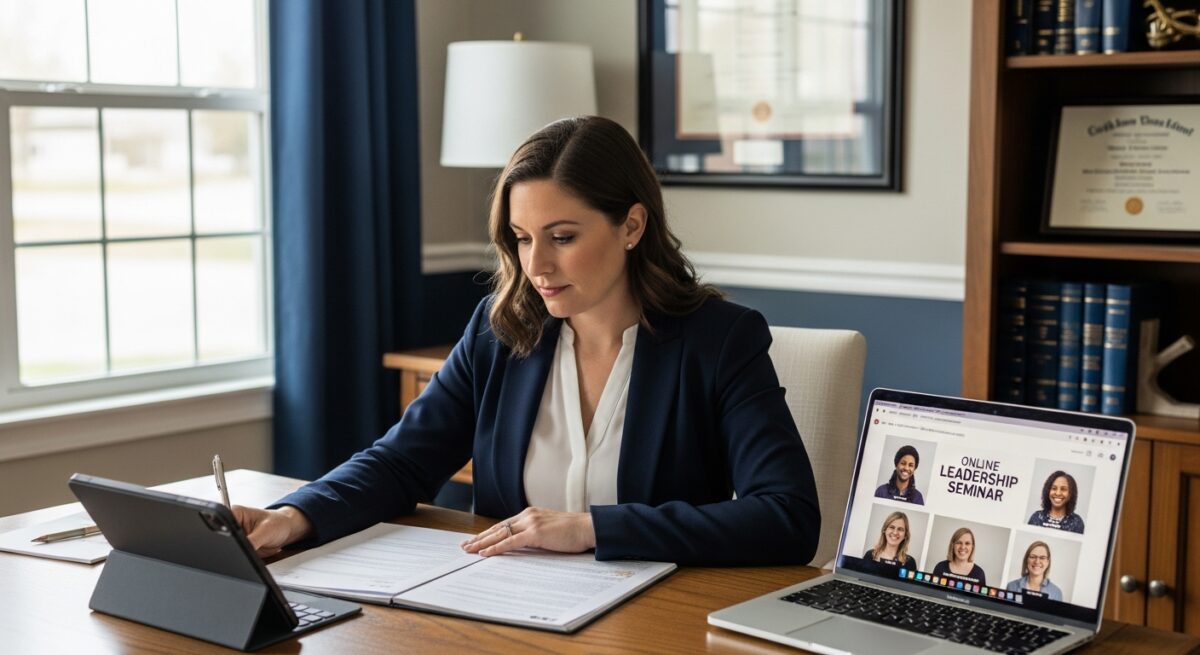
Gone are the days when earning a degree required a daily commute to a physical campus. Today, remote academic studies have evolved from a niche alternative into a robust, mainstream pathway to higher education, empowering learners to pursue rigorous, accredited degrees entirely online. This transformative model isn’t just about convenience; it’s a reimagining of the learning experience, built for the modern world where career, family, and personal growth must coexist. From foundational bachelor’s programs to specialized master’s degrees, the virtual classroom is now a gateway to unprecedented flexibility and opportunity, allowing you to align your education with your life, not the other way around.
The Core Advantages of Pursuing a Degree Remotely
The shift to remote learning is driven by substantive benefits that address the limitations of traditional education. The most prominent advantage is, undoubtedly, flexibility. Students can access lectures, complete assignments, and participate in discussions on their own schedule, making it possible to balance full-time employment, family responsibilities, and academic pursuits. This geographical and temporal freedom opens doors for non-traditional students, career-changers, military personnel, and those in remote locations who previously had limited access to quality institutions.
Beyond scheduling, remote academic studies often foster a more self-directed and disciplined learning approach. The environment requires students to proactively manage their time and engage with course materials, skills that are highly transferable to today’s professional workplaces. Furthermore, the digital nature of these programs cultivates technological fluency, as students become adept at using learning management systems, virtual collaboration tools, and online research databases. This model also promotes a more inclusive and thoughtful discussion forum; the asynchronous nature of many online discussions allows for more considered responses, often leading to deeper dialogue than spontaneous in-class comments.
Choosing the Right Remote Academic Program for Your Goals
Not all online degrees are created equal, and conducting thorough research is paramount. The single most critical factor is accreditation. Ensure the institution is accredited by a recognized regional or national accrediting body. This safeguards the quality of your education and ensures your degree will be respected by employers and other academic institutions. Beyond accreditation, scrutinize the program’s structure. Is it synchronous, requiring live online sessions at set times, or asynchronous, allowing you to complete work on your own schedule? Which format aligns with your lifestyle and learning preferences?
Investigate the faculty credentials and the student support services offered. A strong remote program provides dedicated academic advisors, career counseling, 24/7 technical support, and robust online library access. The curriculum should be comprehensive and mirror the rigor of its on-campus counterpart. For those interested in specific fields, exploring dedicated program pages can provide crucial details. For instance, if you’re drawn to leadership roles in growing sectors, our resource on remote academic programs in health administration outlines the distinct pathways and competencies developed in that field.
To streamline your evaluation, consider these key factors when comparing programs:
- Accreditation Status: Verify with the U.S. Department of Education’s database.
- Student Support Services: Look for tutoring, writing centers, and dedicated online student portals.
- Technology Requirements: Ensure you have the necessary hardware, software, and internet bandwidth.
- Faculty Engagement: Research how instructors interact with online students through office hours, feedback, and forum participation.
- Career Outcomes: Review graduate success rates, alumni networks, and any dedicated career placement assistance for online students.
Essential Strategies for Success in the Virtual Classroom
Excelling in a remote academic environment requires a distinct set of strategies. The cornerstone of success is time management. Without the structure of physical classes, you must create your own. Develop a consistent weekly schedule that designates specific blocks for reading, watching lectures, working on assignments, and participating in forums. Treat these blocks as non-negotiable appointments. Utilize digital calendars, task management apps, and planners to stay organized and ahead of deadlines, not chasing them.
Proactive communication is another vital component. In a physical classroom, you can quickly ask a question after a lecture. Remotely, you must reach out. Don’t hesitate to email your professors with clarifying questions, attend virtual office hours, and actively engage in discussion boards. This not only aids your understanding but also helps you build a rapport with instructors and peers, combating the potential isolation of online study. Creating a dedicated, distraction-free study space is also crucial for maintaining focus and signaling to your brain that it’s time for academic work.
The landscape of remote education is also being shaped by innovative tools. As explored in our analysis of real world AI case studies in education, adaptive learning platforms and AI-driven tutoring systems are beginning to personalize the remote learning experience, offering tailored support that can enhance comprehension and retention for students studying independently.
Maximizing the Value of Your Remote Degree
A remote degree’s value extends far beyond the diploma; it’s about the holistic experience you cultivate. Networking, often a concern for online students, is absolutely possible but requires initiative. Participate actively in group projects, join program-specific LinkedIn groups, attend virtual networking events hosted by the university, and connect with alumni. Many programs also offer virtual career fairs and workshops specifically for their online student body.
Furthermore, seize opportunities to apply your learning in real-time to your current job. The immediate application of concepts from your online business administration degree or digital marketing course can solidify your learning and demonstrate your growing expertise to your employer. This practical integration can sometimes lead to promotions or new responsibilities even before you graduate. Remember, your remote academic journey is what you make of it. By engaging deeply with the material, your peers, and the institution’s resources, you build not just knowledge, but a demonstrable track record of self-motivation, discipline, and tech-savvy problem-solving attributes highly prized in the contemporary workforce.
The evolution of remote academic studies represents a fundamental democratization of education. It acknowledges that talent and ambition are not confined by zip code or life stage. By choosing a reputable program, employing effective learning strategies, and actively engaging with the academic community, you can earn a credential that is both flexible and formidable, opening new chapters in your career and life without putting your current responsibilities on hold. The classroom is now wherever you are, ready when you are.