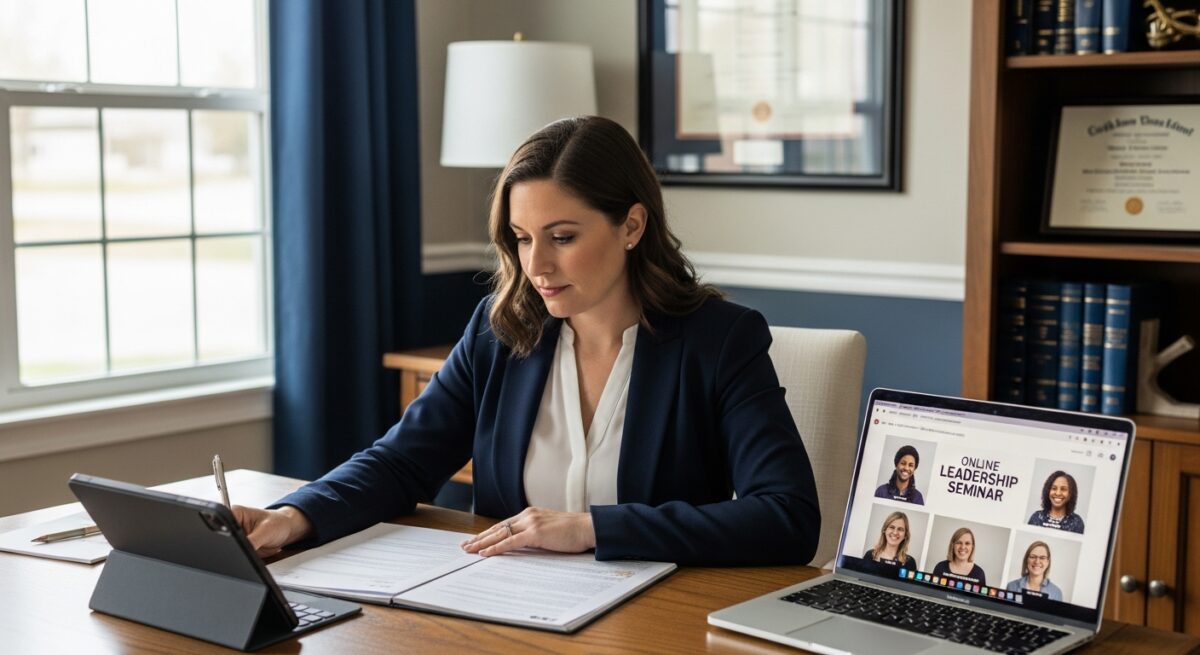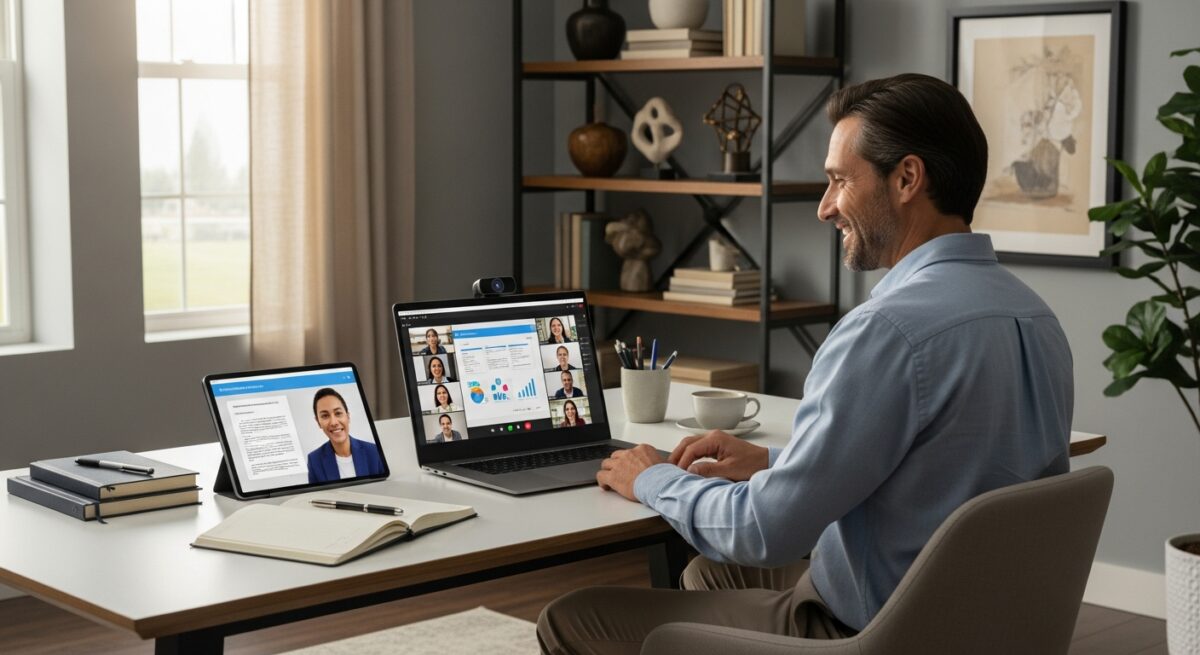
The landscape of education has fundamentally shifted. No longer confined to physical classrooms, learners worldwide are now pursuing degrees, certifications, and new skills entirely from their homes or offices through robust remote e-learning programs. This digital transformation offers more than just convenience; it represents a strategic rethinking of how we approach lifelong learning, career advancement, and personal development. By leveraging sophisticated technology, these programs deliver structured, accredited, and interactive education directly to the learner, breaking down geographical and scheduling barriers that once limited opportunity.
Defining the Modern Remote Learning Experience
Remote e-learning programs are structured educational pathways delivered primarily through digital platforms, allowing for asynchronous or synchronous interaction without the need for physical co-location. Unlike the early days of distance learning, which often relied on mailed materials, today’s programs are dynamic, interactive, and built on robust Learning Management Systems (LMS). These platforms host video lectures, live virtual classrooms, discussion forums, digital libraries, and assessment tools, creating a comprehensive ecosystem for education. The key distinction lies in their intentional design for a dispersed student body, with every element—from student services to group projects—engineered for remote participation. This model has become the cornerstone for a wide array of credentials, from full online business administration degrees to specialized certificates in fields like digital marketing.
Core Advantages for Career and Personal Growth
The appeal of remote learning extends far beyond simple location independence. For working professionals, these programs provide the critical flexibility to upskill or pivot careers without stepping away from their current job. A parent can pursue a degree in elementary education after putting children to bed, or a healthcare worker can enroll in an online health administration program between shifts. This flexibility directly translates to financial stability, as learners can maintain their income while investing in their future. Furthermore, remote programs often expose students to a globally diverse network of peers and instructors, fostering cross-cultural collaboration and perspectives that enrich the learning experience and expand professional networks in ways a local classroom cannot.
To effectively harness these benefits, prospective students should approach their search strategically. Key considerations include ensuring the program’s accreditation, which is crucial for the value of your credential, and carefully evaluating the technology and support structure in place. A successful remote learner is typically self-motivated, possesses good time-management skills, and is comfortable with digital communication tools. However, top-tier programs actively cultivate these skills through orientation modules and dedicated student success advisors. For those concerned about the rigor, it’s important to note that reputable online degrees in emergency management or other fields maintain the same academic standards and often the same faculty as their on-campus counterparts.
Choosing the Right Program for Your Goals
With countless options available, selecting the ideal remote e-learning program requires careful due diligence. The first and most non-negotiable step is to verify institutional and programmatic accreditation. This ensures the quality of your education and that your degree or certificate will be recognized by employers and other institutions. Our resource on how to check program accreditation provides a detailed framework for this essential verification process.
Once accreditation is confirmed, evaluate the program’s structure and support services. Look for answers to the following questions to gauge the program’s commitment to student success:
- What is the course delivery format? Is it fully asynchronous, synchronous with live sessions, or a hybrid blend?
- What academic support is offered, such as online tutoring, writing centers, or library access?
- How does the program facilitate interaction and networking among students and faculty?
- What career services are available to online students, including virtual advising or job placement support?
- What is the total cost, including fees for technology or materials, and what financial aid options exist?
Prospective students should also directly engage with admissions counselors and, if possible, speak with current students or alumni. This due diligence is equally critical whether you are exploring an online MBA or specialized distance learning master’s programs in education or technology.
Maximizing Success in a Virtual Classroom
Enrolling is just the beginning; thriving in a remote learning environment demands a proactive approach. Success starts with creating a dedicated study space free from distractions and treating your online coursework with the same respect as a physical class meeting. This means calendaring all assignments, live sessions, and study blocks. Actively participating in discussion forums is not just for a grade; it’s how you build relationships with peers and demonstrate your understanding to instructors. Effective communication is paramount, as you must be clear and professional in emails and messages, since non-verbal cues are often absent.
It is also vital to anticipate and plan for common challenges. Technology issues will arise, so familiarizing yourself with the LMS ahead of time and having backup internet access can mitigate crises. Feelings of isolation can be counteracted by intentionally forming virtual study groups and regularly engaging with professors during virtual office hours. By adopting these strategies, you transform from a passive participant into an engaged, successful remote learner, fully capitalizing on the investment in your education.
The evolution of remote e-learning programs has democratized access to high-quality education, making it a viable and powerful tool for anyone with the drive to learn. By carefully selecting an accredited program that aligns with your career objectives and committing to the disciplined strategies of online engagement, you can earn a respected credential, advance your professional standing, and achieve personal growth on a schedule that fits your life. The classroom is now wherever you are.