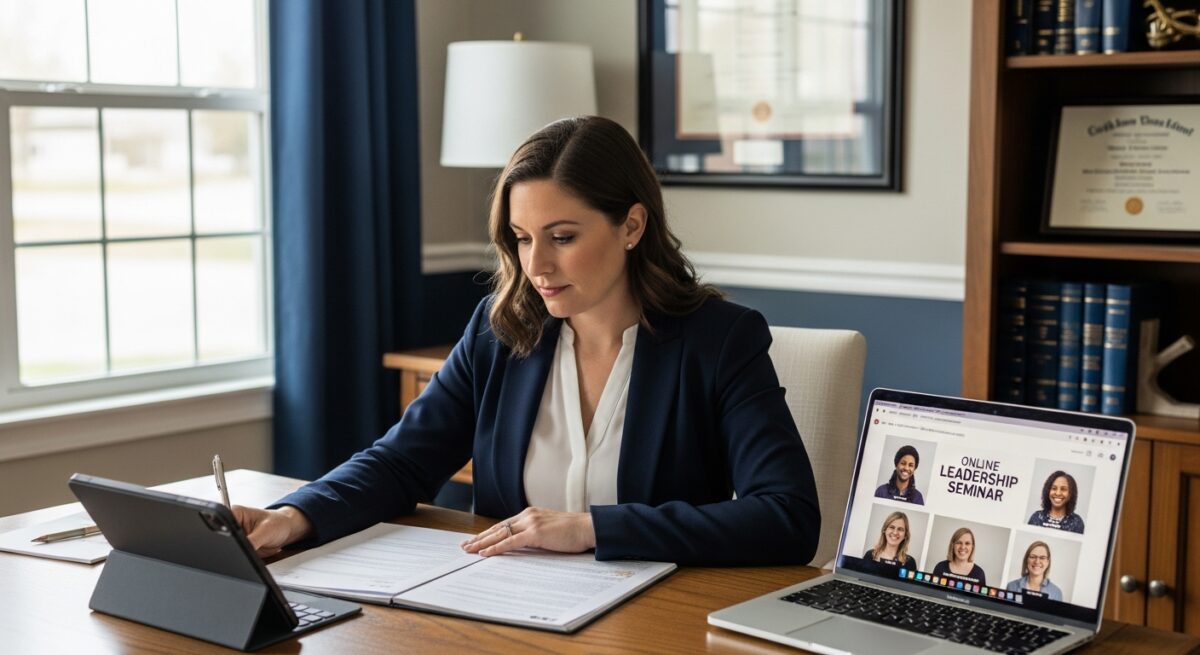
The landscape of professional and academic advancement has fundamentally shifted. No longer constrained by geography or rigid campus schedules, learners are increasingly turning to remote credential programs to propel their careers forward. These targeted, flexible educational offerings allow you to gain specialized skills, meet licensing requirements, or pivot into a new field entirely, all from your home office. Whether you’re an educator seeking certification, a healthcare professional adding a specialty, or a business analyst mastering a new software, remote credentials offer a practical bridge between your current role and your next promotion.
Understanding the Modern Credential Ecosystem
Remote credential programs exist within a broader spectrum of educational options, distinct from traditional degree programs yet equally valuable. They are typically shorter, more focused, and designed with immediate career application in mind. Credentials can range from non-credit certificates and professional certifications to state-mandated licensure endorsements and graduate certificates that often stack toward a full master’s degree. The unifying thread is their delivery: a structured, interactive online format that prioritizes asynchronous learning, virtual collaboration, and practical assessment. This model is perfect for working adults who need to balance upskilling with professional and personal responsibilities. Before enrolling, it’s crucial to understand the type of credential you need for your specific goal, as not all programs carry the same weight in every industry.
Key Benefits of Choosing a Remote Program
The advantages of pursuing a credential remotely extend far beyond simple convenience. First and foremost is flexibility; you can access lectures, complete assignments, and participate in discussions on your own schedule, making it possible to advance your education without putting your career on hold. This often leads to a better return on investment, as you can continue earning an income while you learn. Furthermore, remote programs democratize access to top-tier institutions and specialized instructors you might not have locally. You can enroll in a prestigious university’s digital marketing certificate or a highly-regarded healthcare administration program regardless of your zip code.
Another significant benefit is the immediate applicability of the curriculum. These programs are frequently designed in consultation with industry leaders to ensure the skills taught are current and in-demand. You can often apply a concept learned in a module on a Monday to a work project by Wednesday. This creates a powerful, reinforcing loop between education and practical experience. For those concerned about the legitimacy of online learning, rest assured that accreditation standards for reputable remote credential programs are as rigorous as those for on-campus counterparts. In fact, as we explore in our guide on how virtual programs are redefining education, the quality and innovation in delivery can often surpass traditional methods.
Popular Fields and Career Applications
Remote credential programs have proliferated across nearly every professional sector. Some of the most popular and impactful applications are found in fields with clear skill-based pathways and licensing requirements.
Education and Teaching Licensure
For aspiring and current educators, remote pathways are transformative. Many states offer approved alternative certification programs delivered online, allowing career-changers to earn their teaching license while completing supervised practicum hours in local schools. Furthermore, current teachers can pursue endorsements in high-need areas like special education, English as a Second Language (ESL), or instructional technology entirely online. These credentials not only enhance teaching effectiveness but are often required for salary advancement. For a deeper look at specific options, our resource on the best online elementary education programs highlights how these credentials are structured.
Business, Technology, and Healthcare
The business world values targeted credentials such as project management (PMP preparation), data analytics, digital marketing certifications, and lean Six Sigma. Remote programs in these areas allow professionals to signal specific competencies to employers. In technology, credentials in cybersecurity, cloud architecture (like AWS or Azure), and coding bootcamps are frequently pursued online to quickly meet industry talent gaps. Healthcare, a field with stringent credentialing, uses remote programs for roles like medical coding and billing, health information management, and even for nurses to earn specialties or fulfill continuing education units (CEUs) for license renewal.
How to Select the Right Program for You
With countless options available, choosing the right program requires careful vetting. Not all remote credential programs are created equal, and your due diligence is essential to ensure your investment of time and money pays off. Begin by clarifying your career objective. Is this credential required for a license, strongly preferred by employers in your field, or a personal skill-building goal? Your answer will dictate the level of formality and accreditation you need.
Next, investigate the program’s accreditation and reputation. Regional or national accreditation of the issuing institution is a baseline must. For professional certifications, ensure the program is approved or recognized by the relevant industry body (e.g., the Project Management Institute for PMP prep). Always verify a program’s claims about licensure eligibility with your state’s licensing board, as requirements vary. Key factors to evaluate include:
- Curriculum and Faculty: Review course descriptions and instructor bios. Are they industry practitioners?
- Technology and Support: What learning platform is used? Is technical and academic support readily available?
- Interaction and Networking: Does the program include live sessions, group projects, or forums to connect with peers?
- Cost and Financial Aid: Understand the total cost, including fees. Are payment plans or employer tuition reimbursement an option?
- Career Services: Does the program offer resume help, job placement assistance, or certification exam support?
Finally, making the commitment to a remote program requires self-discipline and effective time management. Set a dedicated study schedule, create a productive workspace, and actively participate in online discussions to get the full benefit. The most successful remote learners treat their program with the same seriousness as an in-person commitment, proactively communicating with instructors and peers.
The rise of remote credential programs represents a powerful alignment of education with the realities of modern work and life. They provide a targeted, efficient, and accessible route to gaining the verified skills that employers value and industries demand. By carefully selecting a reputable program that matches your goals, you can unlock new career doors, increase your earning potential, and achieve professional growth on a schedule that works for you. The future of career advancement is flexible, specialized, and within your reach.