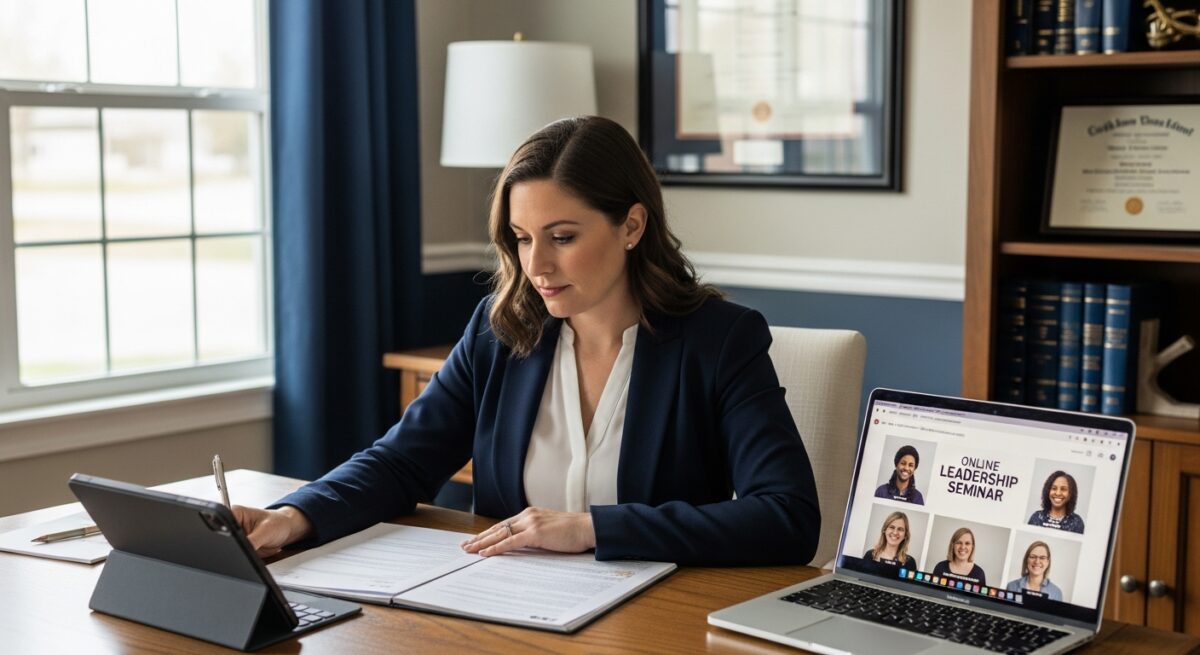
Gone are the days when a physical classroom was the sole gateway to knowledge and career advancement. Today, remote learning courses have transformed education from a place you go to an activity you do, empowering learners of all ages and backgrounds to pursue their goals on their own terms. This seismic shift isn’t just about convenience; it’s about accessibility, personalization, and democratizing high-quality instruction. Whether you’re seeking a full degree, a professional certification, or simply a new skill, understanding the landscape of digital education is the first step to unlocking its immense potential.
The Core Advantages of Choosing Remote Education
The appeal of remote learning extends far beyond the simple elimination of a commute. It represents a fundamental rethinking of the educational experience, designed to fit into complex modern lives. For working professionals, this format allows for upskilling or career pivots without sacrificing income. For parents, caregivers, or those in remote locations, it removes geographical and logistical barriers that once made continued education impossible. The flexibility is not just temporal but often financial, as many programs offer lower tuition and eliminate costs associated with on-campus living. Furthermore, the digital nature of these courses inherently builds skills in time management, digital literacy, and self-directed learning: competencies highly prized in today’s workforce. The environment itself can also reduce the social anxiety some learners feel in traditional settings, allowing them to engage more fully through forums and scheduled virtual discussions.
Navigating the Spectrum of Online Program Types
Not all remote learning courses are created equal, and understanding the distinctions is key to making the right choice. The offerings range from massive open online courses (MOOCs) that provide casual learning on specific topics, to for-credit university courses that are part of fully online degree programs. In between, you’ll find professional certificate programs, self-paced tutorials, and synchronous virtual classrooms. Accreditation is a critical differentiator, especially for degree-seeking students. Regionally accredited institutions offer the gold standard for academic rigor and transferability of credits. For those focused on career-specific skills, industry-recognized certifications from platforms like Coursera or edX, or even vendor-specific certifications in tech fields, can be incredibly valuable. It’s essential to align the type of program with your ultimate goal: a career change, a promotion, personal enrichment, or a complete academic credential. For an in-depth look at degree pathways, our guide on choosing the best distance learning majors provides a detailed framework for decision-making.
Strategies for Success in a Virtual Classroom
Excelling in a remote learning environment requires a different set of strategies than traditional study. Success hinges on proactive engagement and disciplined self-organization. The first and most crucial step is to establish a dedicated learning space and a consistent schedule, treating your course time with the same respect as a physical class meeting. Active participation is not optional; it’s the engine of comprehension in a remote setting. This means contributing to discussion boards, attending live sessions if available, and not hesitating to reach out to instructors via email or virtual office hours.
To thrive, students should adopt the following core practices:
- Master Your Learning Management System (LMS): Familiarize yourself with the platform (like Canvas, Blackboard, or Moodle) on day one. Know where to find syllabi, assignments, grades, and communication tools.
- Build a Digital Support Network: Connect with classmates through study groups on platforms like Slack or Discord. Peer support combats isolation and enhances learning.
- Practice Intentional Time Management: Use digital calendars to block study time and set reminders for deadlines. Break larger projects into smaller, weekly tasks to avoid last-minute pressure.
- Communicate Proactively with Instructors: Don’t wait until you’re behind. If you have a question or a conflict, communicate early and clearly.
Technology is your ally, but also a potential pitfall. Ensure you have reliable internet and required software. Most importantly, practice self-care and set boundaries to prevent burnout, as the lines between home, work, and school can easily blur. For insights into common challenges and how to overcome them, exploring the common issues faced in e-learning can provide valuable preventative strategies.
Selecting the Right Program for Your Goals
With countless options available, choosing the right remote learning course demands careful research and self-reflection. Begin by clearly defining your objective. Are you looking to complete a degree, gain a promotion, switch careers, or learn a hobby? Your answer will immediately narrow the field. Next, investigate the institution’s reputation and accreditation status thoroughly. Look for student reviews, alumni outcomes, and whether the credential is respected in your target industry. Scrutinize the total cost, including technology fees, books, and any required residencies, and explore financial aid options.
Key factors to evaluate during your search include:
- Faculty Credentials and Involvement: Who is teaching? Are they active professionals or academics? How accessible are they to online students?
- Student Support Services: Does the program offer robust tech support, academic advising, career counseling, and online library access?
- Course Delivery and Interaction: Is the content primarily asynchronous (pre-recorded) or synchronous (live)? What is the expected level of peer-to-peer interaction?
- Technical Requirements: Ensure your computer and internet speed meet the program’s specifications before enrolling.
Reach out to admissions counselors with specific questions. A reputable program will be transparent about graduation rates, student satisfaction, and career support. This due diligence is an investment that pays dividends in the form of a rewarding and recognized educational experience.
The evolution of remote learning courses is more than a trend; it’s a permanent and expanding pillar of global education. By offering unparalleled flexibility and access, these programs have opened doors for millions, fostering lifelong learning and career mobility. The responsibility for success, however, shares a greater balance with the learner, requiring initiative, discipline, and savvy digital habits. For those who embrace its unique rhythm, remote education isn’t a substitute for the traditional path; it’s a powerful, personalized alternative that can align perfectly with the demands and opportunities of the 21st century.