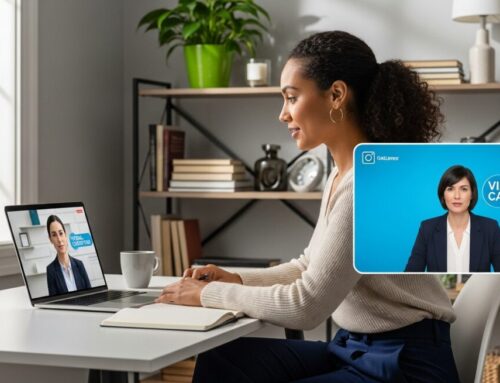
Imagine earning a respected online degree, but instead of feeling isolated in a digital void, you are part of a dedicated team progressing together, sharing insights, and building a professional network that lasts a lifetime. This is the transformative promise of cohort based online degrees, a model rapidly redefining the landscape of higher education. Moving beyond the traditional, self-paced online course, this approach intentionally structures learning around a group of peers, or a cohort, who start and finish a program together. It directly addresses the most significant drawback of digital education: the lack of community and accountability. For working professionals, career changers, and ambitious learners, online degrees with cohort model offer a powerful blend of flexibility and structured, collaborative engagement, merging the best of in-person camaraderie with the convenience of virtual delivery.
The Core Structure of a Cohort Learning Model
At its heart, a cohort based program is defined by its synchronized, group-centric design. Unlike open-enrollment courses where students work independently on their own timelines, a cohort model locks a group of students into a shared academic journey. Everyone begins the foundational courses at the same point, progresses through the curriculum in the same sequence, and ideally graduates together. This creates a predictable, paced structure that mirrors the cadence of a traditional on-campus program but within a digital framework. The curriculum is deliberately sequenced, with each course building on the last, ensuring that all cohort members share a common foundational knowledge as they tackle more complex material. This shared experience is the bedrock upon which collaboration and deep learning are built.
The administrative and pedagogical design of these programs reinforces community. Students typically have access to dedicated cohort spaces within the learning management system, such as private forums, group workspaces, and scheduled virtual meeting rooms. Instructors and program coordinators often act as facilitators and community managers, guiding discussions and fostering interactions rather than merely lecturing. This structure is particularly effective in graduate programs like MBAs, Masters in Education, or degrees in Health Administration, where peer-to-peer learning and networking are as valuable as the content itself. The model transforms the learning experience from a solitary transaction of information into a dynamic, social process of knowledge construction.
Tangible Benefits for the Modern Student
The advantages of pursuing online degrees with cohort model are multifaceted, directly targeting the pain points of adult learners and career-focused individuals. First and foremost is the powerful sense of accountability and motivation it instills. Knowing that your peers are counting on you for group projects or discussion contributions creates a positive social pressure to stay engaged and keep pace. This dramatically reduces the dropout rates commonly associated with self-paced online programs where students can easily fall behind and disengage.
Another profound benefit is the instant and robust professional network, often called a “built-in network.” Your cohort is not just a random assortment of students, it is a curated group of professionals with diverse experiences, industries, and geographies, all united by a common academic goal. The relationships forged during intense collaborative projects, late-night study sessions, and strategic discussions become a valuable professional asset long after graduation. Furthermore, the collaborative learning environment enhances critical thinking. Being exposed to different perspectives and having to defend your ideas in a peer group leads to deeper understanding and more nuanced problem-solving skills than solitary study typically provides.
For those seeking a faster path, this model can also align well with accelerated timelines. The structured, lockstep progression eliminates downtime between courses and keeps momentum high. For more on fast-paced options, our resource on accelerated online degrees explores various pathways to expedite your educational goals.
Potential Challenges and Considerations
While the cohort model offers significant benefits, it is not a perfect fit for every learner, and understanding its constraints is crucial for making an informed decision. The most notable trade-off is a loss of flexibility, which is often the primary draw of online education. Cohort programs demand a fixed schedule with synchronous elements, such as live virtual classes, mandatory group meetings, and real-time discussions. If your work or personal life involves unpredictable hours or frequent travel, keeping pace with a cohort’s rigid timeline can be stressful or even impossible.
The success of the experience is also inherently tied to the dynamics of your specific cohort. A group with low engagement or conflicting personalities can hinder the learning process, whereas a highly motivated, collaborative cohort can elevate it. Students who prefer to work entirely independently or at an accelerated pace may find the group-dictated speed frustrating. Additionally, these programs often come with a higher price tag due to the increased faculty involvement and structured support services required to manage the cohort effectively. Prospective students must weigh these factors, considering their own learning style, schedule, and professional needs.
Ideal Candidates for Cohort Based Programs
Cohort based online degrees are particularly well-suited for specific types of learners and professional objectives. If you thrive in team environments and draw energy from collaboration, this model will likely play to your strengths. It is also ideal for professionals seeking a career pivot or advancement, as the networking component provides immediate value beyond the diploma. The model is exceptionally powerful in fields where leadership, communication, and teamwork are paramount, such as business administration, project management, healthcare leadership, and education.
Consider the following profile of an ideal candidate:
- The Network Builder: A professional who understands that relationships are currency and seeks to expand their professional circle intentionally.
- The Collaborative Learner: An individual who learns best through discussion, debate, and shared problem-solving rather than passive absorption.
- The Career Accelerator: Someone looking to gain not just knowledge, but also the visibility, peer recommendations, and group projects that impress employers.
- The Schedule-Predictable Professional: A worker with a stable, predictable work schedule that can accommodate regular synchronous sessions.
If you see yourself in these descriptions, a cohort-based path could be your most strategic educational investment. For broader research on program options and accreditation, a valuable resource is accredited online degree info.
Selecting the Right Cohort Based Degree Program
Choosing a program requires careful vetting beyond standard accreditation checks. You must investigate the specific design and culture of the cohort model being offered. Start by examining the level of synchronous versus asynchronous work. How many live sessions are required per week, and are they recorded for those in different time zones? Investigate the technological platform: does it facilitate easy collaboration through integrated video, document sharing, and communication tools?
Reach out to admissions counselors and, more importantly, request to speak with current students or alumni. Ask them pointed questions about the cohort experience. Was the group actively engaged? How did the faculty facilitate interaction? What does the post-graduation network look like? Review the curriculum for clear evidence of collaborative work, such as group capstone projects, peer review assignments, or case study competitions. The goal is to find a program where the cohort model is an intentional, well-supported pedagogical core, not just a marketing buzzword.
Frequently Asked Questions
How does the cohort model differ from a traditional online degree?
Traditional online degrees often emphasize asynchronous, self-paced learning with optional interaction. A cohort model is structured, synchronous, and group-based, with a fixed start/end date and heavy emphasis on peer collaboration throughout a locked-in curriculum.
Are cohort based degrees more expensive?
They can be, due to the higher level of faculty engagement, structured support, and collaborative technology required. However, many students find the return on investment through networking and higher completion rates justifies the cost.
What if I have a conflict and fall behind my cohort?
Policies vary. Some programs are strict and may require you to withdraw and join a future cohort, while others offer limited flexibility. It is critical to understand the program’s specific policy on pacing and make-up work before enrolling.
Is the networking really that valuable?
For many, yes. The shared intensive experience creates strong bonds. Unlike networking events, you work closely with peers for months or years, building deep, authentic professional relationships that often lead to job referrals, partnerships, and lifelong connections.
Can I still work full-time in a cohort program?
Absolutely. Most are designed for working professionals, but they require disciplined time management. The fixed schedule means you must proactively block time for live sessions and group work, treating them as non-negotiable professional commitments.
Cohort based online degrees represent a significant evolution in digital education, strategically blending the flexibility of online access with the engagement and community of a campus experience. They answer a clear demand for connection and accountability in the virtual learning space. For the right student, someone who values teamwork, seeks meaningful professional networks, and can commit to a structured timeline, this model offers a profoundly richer and more effective path to an advanced degree. It transforms the solitary act of online learning into a collective journey, proving that the future of education is not just digital, but deeply connected.