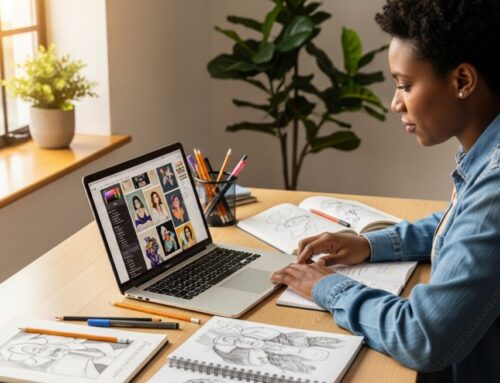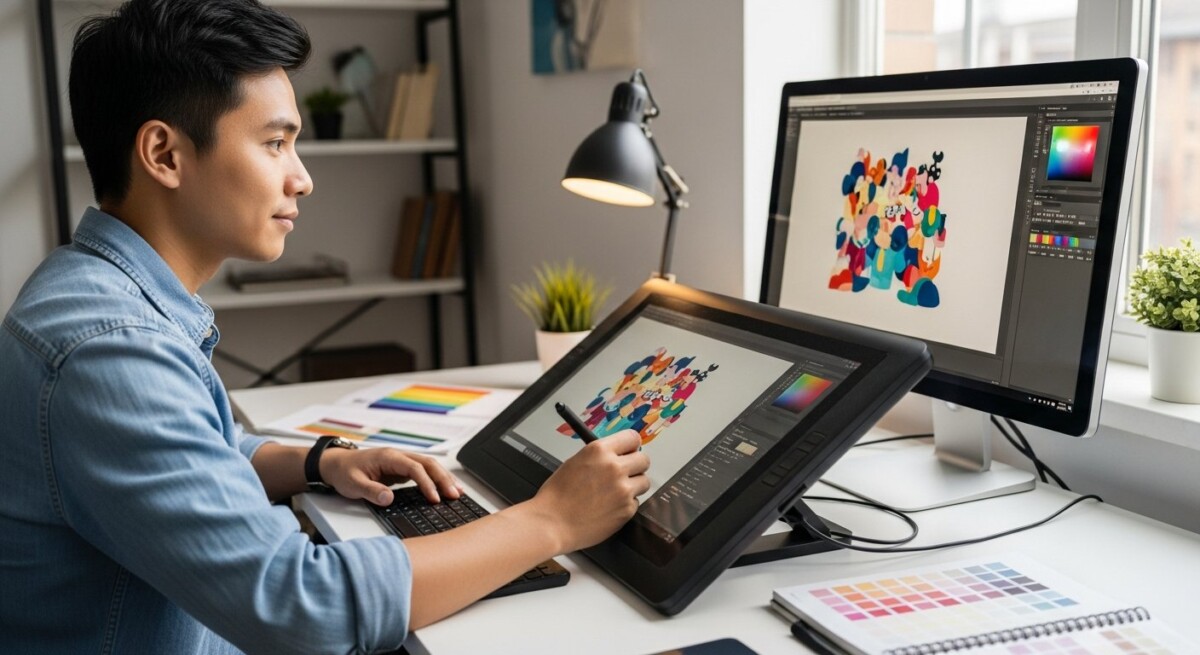
The creative industry is no longer confined to traditional art schools and physical campuses. Today, a dynamic and fulfilling career in visual communication is accessible from anywhere, thanks to the proliferation of accredited online graphic design degree programs. These programs offer a rigorous, studio-quality education tailored for the digital age, blending foundational art principles with cutting-edge software and design theory. Whether you are a working professional seeking a career change, a recent high school graduate looking for flexibility, or a creative individual aiming to formalize your skills, an online degree in graphic design provides a structured, respected pathway into a field driven by visual problem-solving and innovation. The key lies in selecting a program that aligns with your career goals, learning style, and the practical demands of the modern design marketplace.
Understanding the Structure and Curriculum of Online Design Programs
Online graphic design degrees are meticulously structured to deliver a comprehensive education comparable to their on-campus counterparts. The curriculum is typically built on a core foundation of design principles, including typography, color theory, composition, and visual hierarchy. From this base, students progress to specialized courses in digital imaging, vector illustration, user interface (UI) and user experience (UX) design, branding, and motion graphics. A significant differentiator of a quality program is its integration of industry-standard software training, such as the Adobe Creative Cloud suite (Photoshop, Illustrator, InDesign), Figma, and other relevant tools. This practical software proficiency is not an add-on, it is a central component of the coursework, ensuring graduates are job-ready from day one.
Beyond technical skills, a robust online graphic design degree emphasizes conceptual thinking and the design process. Students learn to research, brainstorm, sketch, prototype, and iterate on their ideas, often working on projects that simulate real-world client briefs. Many programs also incorporate essential business and professional practices, such as portfolio development, client communication, freelancing basics, and the ethical considerations of design work. This holistic approach ensures that graduates are not just software operators but thoughtful designers capable of creating meaningful visual solutions. For those beginning their journey, understanding the foundational role of a graphic design associate can provide crucial early direction, as detailed in our resource on what a graphic design associate career path entails.
Key Benefits of Pursuing Your Degree Online
Choosing an online format for your graphic design education unlocks a suite of advantages uniquely suited to today’s learners. The most prominent benefit is unparalleled flexibility. Students can access lectures, course materials, and assignments on their own schedule, making it possible to balance studies with full-time employment, family responsibilities, or other commitments. This asynchronous learning model empowers individuals to learn at their optimal pace, reviewing complex tutorials or spending extra time on challenging projects as needed. Furthermore, geographic barriers are eliminated, allowing students to enroll in top-ranked programs across the country without the need to relocate.
Online learning also fosters the development of crucial self-discipline, time management, and digital communication skills, all of which are highly valued in the remote-friendly design industry. The virtual classroom environment often includes discussion forums, live video critiques, and collaborative project tools that build a sense of community and peer feedback. Importantly, pursuing an online graphic design degree can be a more cost-effective option when factoring in the elimination of commuting costs, campus fees, and, for some, the ability to maintain an income while studying. This financial flexibility is critical, and exploring funding options is a vital step. Prospective students should actively research degree programs online that offer detailed guidance on scholarships and financial aid to help manage educational costs.
Selecting the Right Accredited Online Program
Not all online graphic design degrees are created equal, making careful research essential. The single most critical factor to verify is institutional accreditation. Accreditation from a recognized regional body ensures the school meets high standards of educational quality and that your degree will be respected by employers and other institutions. Within the design field, some programs may also hold specialized accreditation from bodies like the National Association of Schools of Art and Design (NASAD), which is a strong indicator of a rigorous, industry-aligned curriculum.
When evaluating programs, prospective students should scrutinize several key elements. First, examine the curriculum in detail to ensure it covers both traditional design fundamentals and modern digital specializations you are interested in. Second, investigate the faculty: are they practicing designers with current industry experience? Third, assess the technological requirements and support: will you need a powerful computer and specific software, and does the school provide licenses or discounts? Fourth, review the program’s career support services, such as portfolio reviews, internship placement assistance, and job search resources. Finally, request to see graduate portfolios and alumni success stories to gauge the program’s real-world outcomes.
To aid in your decision-making, consider the following checklist of essential questions to ask any program you are considering:
- Is the institution regionally accredited, and is the specific graphic design program recognized?
- What is the specific focus of the curriculum (e.g., print, digital, UX/UI, generalist)?
- What industry-standard software is taught and included in tuition?
- How do students interact with instructors and peers for feedback and collaboration?
- What career services and portfolio development support are provided?
Career Outcomes and Industry Opportunities
Graduating with an online graphic design degree opens doors to a diverse and expanding array of career paths. The skills acquired are applicable across virtually every sector of the economy, as businesses, non-profits, and institutions all require visual communication. Common job titles for graduates include Graphic Designer, UI/UX Designer, Web Designer, Art Director, Brand Identity Designer, Motion Graphics Artist, and Production Artist. Many designers also thrive as freelancers or start their own small studios, offering services directly to clients.
The demand for skilled designers remains strong, driven by the continuous need for digital content, website and app development, and brand differentiation. According to industry data, roles in UX design, in particular, are experiencing significant growth. Success in this competitive field, however, hinges on a strong professional portfolio. Your portfolio, a curated collection of your best academic and personal projects, is your most important career tool. A quality online degree program will integrate portfolio development throughout the curriculum, ensuring you graduate with a polished, presentation-ready body of work that demonstrates your unique style and problem-solving abilities. Networking, through online student communities, industry events, and platforms like LinkedIn, further amplifies your job prospects.
Frequently Asked Questions
Can I really learn graphic design effectively online? Absolutely. Modern online programs are designed with interactive learning in mind. Through video demonstrations, step-by-step project guides, live virtual critiques, and direct communication with instructors, students receive a hands-on education. The discipline required for online success often mirrors the self-direction needed in a professional design career.
Do employers value an online graphic design degree? Yes, provided it is from an accredited institution. Employers primarily care about the skills in your portfolio and your ability to solve design problems. An accredited online degree demonstrates you have received a structured education and possess the foundational knowledge and technical proficiency they require.
What computer and software do I need? You will typically need a reliable computer with strong processing power and a good graphics card (Mac or PC). Most programs require full access to the Adobe Creative Cloud. Specific technical requirements are usually listed on the program’s website, and some schools offer student licensing discounts.
How long does it take to complete an online graphic design degree? This varies. A full-time student can often complete a bachelor’s degree in about four years. Many online programs offer accelerated tracks or are designed for part-time study, which can extend the timeline. Associate degrees typically take two years of full-time study.
Is financial aid available for online degrees? Yes, accredited online programs qualify for federal financial aid, including grants and loans. Students should complete the Free Application for Federal Student Aid (FAFSA) and also seek out scholarships specifically for design students or online learners.
Pursuing an online graphic design degree represents a strategic investment in a creative and technically skilled future. It is a pathway defined by flexibility, relevance, and direct alignment with the needs of a digitally-driven creative economy. By carefully selecting an accredited program that emphasizes both timeless design principles and contemporary digital tools, you can build a powerful portfolio and acquire the professional competencies to launch or advance a successful career. The journey requires dedication and self-motivation, but the reward is the ability to shape visual culture and communicate ideas in a profession that blends art, technology, and strategy.