Imagine earning a respected university degree while managing a full-time job, caring for a family, or navigating life’s unpredictable twists. This is the core promise of flexible online degrees, but the reality is more nuanced than simply watching recorded lectures. True flexibility in online education represents a fundamental shift in how, when, and where learning happens, dismantling traditional barriers to higher education. It’s not a one-size-fits-all model; it’s an ecosystem of customizable options designed to fit into your existing life, not the other way around. Understanding the mechanics behind this flexibility is key to choosing a program that empowers your goals without sacrificing academic rigor or value.
The Anatomy of Flexibility in Online Learning
Flexibility in an online degree is not a single feature but a combination of structural elements. The most impactful programs weave together asynchronous coursework, multiple start dates, competency-based progression, and modular curriculum design. Asynchronous learning, the cornerstone of flexibility, means you are not required to be logged in at a specific time for a live class. Instead, you access lecture materials, participate in discussion forums, and submit assignments within a set weekly or module-based timeframe, allowing you to schedule your study sessions for early mornings, late nights, or weekends. This is complemented by programs that offer several enrollment points throughout the year, enabling you to begin your studies within weeks of deciding, rather than waiting for a traditional fall or spring semester.
Beyond scheduling, curricular flexibility is increasingly common. This includes options like self-paced courses where you can accelerate through familiar material or take extra time on challenging concepts, often within a broader term structure. Some institutions offer generous transfer credit policies for prior learning, including professional certifications, military training, or coursework from other accredited colleges. The most adaptive models are competency-based education (CBE) programs, where you progress by demonstrating mastery of skills and knowledge, not by accumulating credit hours. This means if you enter a program with significant professional experience, you may be able to move through certain areas more quickly. For those just starting their higher education journey, understanding the foundational options is crucial; our resource on undergraduate online degrees explained provides a detailed breakdown of associate and bachelor’s pathways.
Key Formats and Models of Delivery
Not all flexible degrees are created equal, and the delivery model directly impacts your experience. The primary formats exist on a spectrum from highly structured to fully independent.
The cohort model places you in a group of students who start and progress through the program together. This format builds a strong sense of community and networking, with scheduled milestones, but offers less individual pacing flexibility. The opposite end is the self-paced, independent study model, often found in CBE programs or certain open enrollment courses. Here, you work through material alone, with instructor support as needed, and complete courses on your own timeline, sometimes subject to a maximum time limit. A popular hybrid approach is the paced, but asynchronous model. In this structure, all students in a course follow the same weekly schedule for assignments and deadlines, providing structure and shared discussion, but you complete the work at any hour of the day that suits you. This balances community with daily schedule control.
Furthermore, some programs incorporate synchronous elements selectively. A largely asynchronous course might have one or two optional live video sessions per semester for guest lectures or Q&A, which are typically recorded for those who cannot attend. The technology platform itself also contributes to flexibility. A robust mobile-friendly learning management system (LMS) allows you to read materials, participate in discussions, or even submit work from a smartphone or tablet, turning commute time or waiting periods into productive study sessions. When evaluating programs, scrutinize the stated delivery model to ensure it aligns with your need for structure versus autonomy.
Balancing Flexibility with Structure and Support
A common misconception is that flexibility equates to isolation or a lack of accountability. In reality, high-quality flexible programs are engineered with intentional support structures to ensure student success. The flexibility lies in *when* you engage, not *if* you engage. Proactive academic advising is critical. A dedicated advisor helps you plan your course sequence, understand degree requirements, and navigate challenges before they become obstacles, serving as a constant point of contact throughout your journey. This guidance is essential for making informed choices about your educational path; to explore the full landscape of academic options, you can always learn more about college degrees and their various structures.
Instructor presence in an asynchronous environment is also vital. Effective online professors facilitate dynamic discussion boards, provide timely and detailed feedback on assignments, and hold virtual office hours. Peer support is fostered through collaborative projects, study groups organized via video chat, and program-specific online communities. Furthermore, institutions provide extensive digital resources: 24/7 access to online libraries and research databases, writing centers offering virtual appointments, and tech support for the learning platform. This ecosystem of support ensures that while you control your schedule, you are never without help. The structure comes from clear syllabi, regular milestone deadlines (even if weekly), and consistent course design across the program, which reduces cognitive load and helps you develop an effective study rhythm.
Time Management: The Non-Negotiable Skill
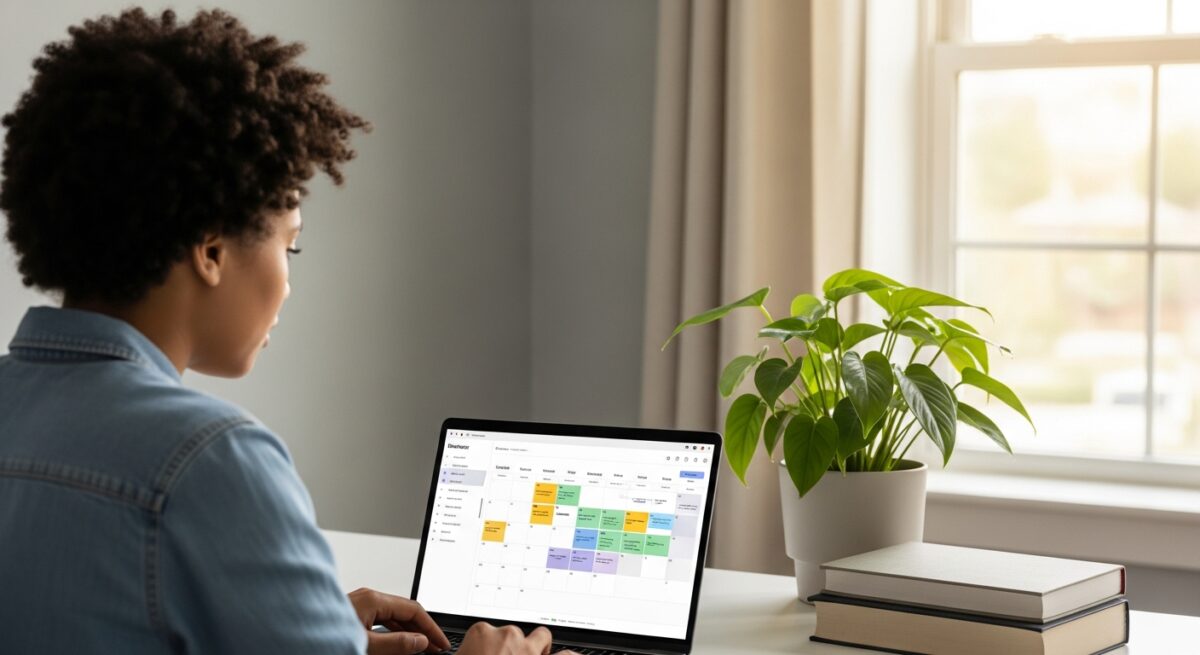
The liberty of a flexible program transfers the responsibility of time management squarely to the student. Success hinges on developing and adhering to a personal system. This begins with a realistic audit of your weekly commitments: work hours, family time, personal obligations, and leisure. Treat your study time as a non-negotiable appointment on your calendar, blocking out specific, consistent periods. Break down larger assignments, like research papers, into smaller, manageable tasks with self-imposed deadlines. Utilize digital tools like calendar apps, task managers (e.g., Todoist, Trello), and focus timers (e.g., Pomodoro technique) to maintain discipline. The most successful online students are proactive communicators; if life interrupts your plan, contacting your instructor *before* a deadline is key. Developing this skill set is not just academic; it’s a professional competency that will serve you long after graduation.
Choosing the Right Flexible Program for You
With countless options available, selecting a program requires careful vetting to ensure its flexibility is legitimate and its value is enduring. Accreditation is the first and most critical filter—only consider regionally accredited institutions, as this ensures quality, eligibility for federal financial aid, and acceptance of credits by employers and other universities. Investigate the specific flexible features: Are courses 100% asynchronous? How many start dates are there per year? What is the policy on transfer credits? Examine the curriculum and faculty credentials to ensure academic rigor matches your goals.
Beyond the brochure, seek out the student experience. Talk to an admissions counselor and ask to speak with a current student or alum. Scour independent review sites and program testimonials. Critically assess the total cost, including technology fees, and the transparency of the pricing structure. Finally, align the program with your career objectives. Does the institution have a strong career services department that serves online students? Do they offer virtual networking events or internship coordination? A truly valuable flexible degree doesn’t just accommodate your life; it actively advances your career trajectory. Disciplines like business administration, health administration, information technology, and digital marketing are particularly well-suited to these models, as they attract working professionals seeking advancement.
To aid your evaluation, consider these essential questions when researching programs:
- What is the typical weekly time commitment per course, and is the workload realistic for my schedule?
- How does the program foster interaction and community among asynchronous students?
- What specific academic support services (tutoring, writing help, library access) are available to online learners?
- Is the degree credential identical to the one awarded to on-campus students?
- What are the graduation and retention rates for the online student cohort?
Answering these questions will move you beyond surface-level marketing and reveal whether a program’s design truly supports a busy adult learner. The ideal program feels challenging yet manageable, supportive but not hand-holding, and designed with the understanding that your education is one important part of a multifaceted life.
Flexible online degrees have evolved from an alternative novelty into a sophisticated, mainstream pillar of higher education. They empower a diverse population—from career-changers and military personnel to parents and rural residents—to achieve academic ambitions without pressing pause on life. The key is to approach flexibility not as a passive convenience but as an active partnership. By choosing an accredited program with robust support, honing your personal discipline, and leveraging the designed structures for success, you can transform the promise of flexibility into the reality of a earned degree and a brighter professional future. The power to design your learning journey, on your terms, is ultimately the most significant benefit these modern programs provide.