The traditional image of a college student, bound to a physical campus and a rigid class schedule, is rapidly becoming a relic of the past. Today, a profound shift is underway, powered by digital innovation and a growing demand for flexibility. Fully remote degree programs have emerged as a legitimate, powerful, and increasingly popular avenue for achieving educational and career goals. These programs represent more than just a convenient alternative, they are a complete reimagining of the learning experience, designed for the modern learner who balances professional ambitions, personal responsibilities, and the pursuit of knowledge. This comprehensive exploration will guide you through the essentials of fully remote education, from its core structure and benefits to strategic selection and success tactics.
Defining the Fully Remote Learning Experience
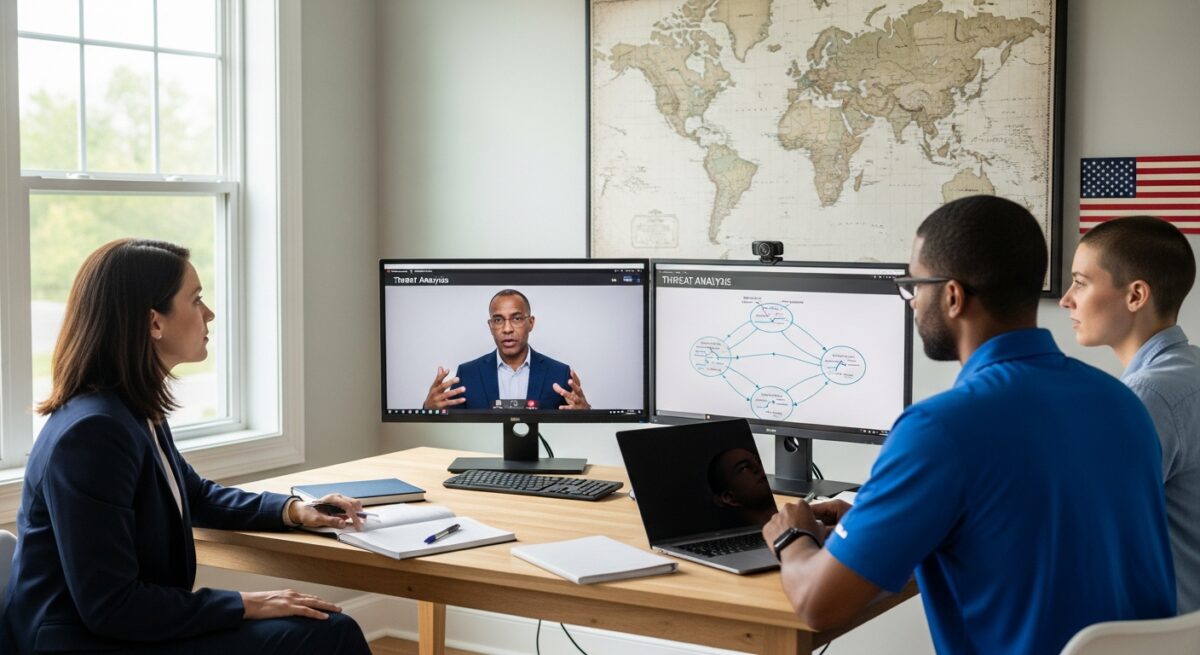
At its core, a fully remote degree program is one where the entire curriculum is delivered digitally, with no requirement for on-campus attendance, residencies, or in-person meetings. This distinguishes it from hybrid or low-residency models that may mandate occasional physical presence. The educational journey happens through a sophisticated learning management system (LMS), a virtual hub where students access lectures, submit assignments, take part in discussions, and interact with professors and peers. Instruction is delivered through a blend of asynchronous and synchronous methods. Asynchronous learning involves pre-recorded video lectures, digital readings, and discussion boards that students engage with on their own schedule, offering maximum flexibility. Synchronous learning involves live, scheduled sessions via video conferencing tools, providing real-time interaction and a sense of community. This dual approach creates a dynamic and adaptable educational environment that can cater to diverse learning styles and time zones.
The Compelling Advantages of a 100% Online Education
Choosing a fully remote program is a strategic decision with multifaceted benefits that extend far beyond simple convenience. The most prominent advantage is unparalleled geographical and temporal flexibility. Students are liberated from commutes and can learn from anywhere with an internet connection, whether that’s their home, a coffee shop, or a different country entirely. This makes higher education accessible to populations previously excluded by location or mobility constraints. Furthermore, it allows working professionals to upskill or change careers without sacrificing their current employment, integrating education seamlessly into their existing lives.
This model also fosters the development of crucial digital literacy and self-discipline. Navigating online platforms, collaborating virtually, and managing one’s own time and motivation are skills highly valued in today’s workforce. From a financial perspective, while tuition may be comparable to on-campus programs, students often save significantly on ancillary costs like housing, transportation, campus fees, and, in some cases, relocation. The ability to maintain full-time employment while studying can also offset educational costs. For those seeking to accelerate their progress, some institutions offer competency-based education models or accelerated online degree programs, where students advance by demonstrating mastery of a subject rather than adhering to a traditional semester schedule, potentially shortening time to graduation.
Navigating Accreditation and Program Quality
The legitimacy and value of your degree hinge critically on accreditation. Accreditation is a quality assurance process where an independent agency evaluates a school or program against established standards. For fully remote degrees, regional accreditation is the gold standard in the United States and is widely recognized by employers and other institutions. Always verify a program’s accreditation status directly through the accrediting body’s website or the U.S. Department of Education’s database. Beyond institutional accreditation, certain fields have specialized programmatic accreditation (e.g., ABET for engineering, AACSB for business, CAEP for education) which signals that the curriculum meets industry-specific professional standards.
Evaluating program quality involves looking at several key indicators. Investigate the credentials and experience of the faculty, particularly their familiarity with online pedagogy. Review the technological infrastructure: is the LMS user-friendly and robust? What student support services are offered remotely, such as academic advising, tutoring, career services, and technical help? Examine the curriculum for rigor and relevance to current industry trends. Finally, research outcomes data like graduation rates, student satisfaction surveys, and graduate employment statistics. A transparent institution will make this information readily available to prospective students.
Selecting the Right Fully Remote Program for You
With a vast array of options available, selecting the right program requires careful self-assessment and research. Begin by clarifying your goals. Are you seeking career advancement, a complete career change, or personal enrichment? Your goal will dictate the level (bachelor’s, master’s, doctorate) and field of study. Next, conduct a realistic audit of your lifestyle. How many hours per week can you consistently dedicate to coursework? Do you thrive with structured deadlines or require absolute schedule flexibility? Your answers will help you choose between programs with more synchronous versus asynchronous delivery.
Once you have a shortlist, dive deep into the specifics of each program. Key factors to compare include:
- Curriculum and Specializations: Does the course list align with your career objectives? Are there elective tracks or concentrations that match your interests?
- Cost and Financial Aid: Understand the total cost, including tuition, fees, and any required technology. Explore financial aid options, including federal aid (for eligible programs), scholarships, employer tuition assistance, and payment plans. For comprehensive information on funding your education, a resource like degree programs online can be a valuable starting point to explore scholarship programs and financial planning strategies.
- Admission Requirements: These may include transcripts, test scores (though many are test-optional), letters of recommendation, a resume, and a statement of purpose.
- Student Support Network: Robust online support is non-negotiable. Ensure the program provides dedicated online librarians, 24/7 tech support, accessible instructors, and an active online student community.
Our guide on digital degree programs and internet-based courses offers further detailed strategies for evaluating and comparing online educational offerings effectively.
Building a Foundation for Success in a Virtual Classroom
Success in a fully remote environment demands proactive strategies distinct from traditional classroom learning. The cornerstone is creating a dedicated learning space and a consistent schedule. Treat your study time with the same respect as a work meeting or a class appointment. Proactive communication is vital: introduce yourself to professors and peers early, ask questions in forums, and don’t hesitate to reach out for help. Engaging actively in online discussions is not just for participation grades, it’s how you build a network and deepen your understanding of the material.
Mastering time management and self-motivation is critical. Use digital calendars, task managers, and the syllabus to plan your weeks in advance, breaking large projects into smaller, manageable steps. Avoid procrastination by setting personal deadlines ahead of the official ones. Furthermore, prioritize your digital wellbeing. Schedule regular breaks from screens, ensure your physical workspace is ergonomic, and make time for offline activities to prevent burnout. Remember, you are not alone. Utilize every support service offered, form study groups via video chat, and connect with classmates on professional networks like LinkedIn.
Frequently Asked Questions About Remote Degrees
Are fully remote degrees respected by employers?
Yes, overwhelmingly so, provided they are from an accredited institution. Employer perception of online degrees has improved dramatically, especially as prestigious universities now offer robust online programs. The key is the accreditation and reputation of the granting school, not the delivery method.
Will my diploma say “online”?
Typically, no. In most cases, the diploma issued for a fully remote degree is identical to the one awarded to on-campus graduates. It states the name of the degree and the institution, not the mode of delivery.
How do labs, clinicals, or hands-on work function remotely?
Creative solutions are employed. Science labs may use virtual simulation software, at-home lab kits, or data sets for analysis. Fields like nursing or counseling use carefully arranged local practicums or clinical placements supervised by qualified professionals in the student’s geographic area. Programs requiring hands-on components will have a clear plan detailed in their curriculum.
Can I complete a fully remote degree faster than a traditional one?
It is possible through accelerated formats or competency-based models. Some programs offer shorter, intensive terms year-round. As explored in our resource on the fastest online degree programs, these accelerated paths allow students to progress as quickly as they master the material, potentially reducing the overall time to degree completion.
What technology do I need to get started?
At a minimum, you will need a reliable computer (often with specific processor and memory requirements), high-speed internet, a webcam, a microphone, and up-to-date software (like a word processor and spreadsheet program). Specific programs may require specialized software, which the school often provides.
Fully remote degree programs are not a lesser form of education, they are a different and highly effective one. They democratize access to knowledge, respect the complexities of adult life, and equip learners with both academic credentials and vital 21st-century skills. By thoughtfully selecting an accredited program that aligns with your goals and committing to the strategies for online success, you can leverage this modern educational pathway to unlock new professional opportunities and achieve personal growth on your own terms. The future of learning is flexible, digital, and accessible, and it is available now.