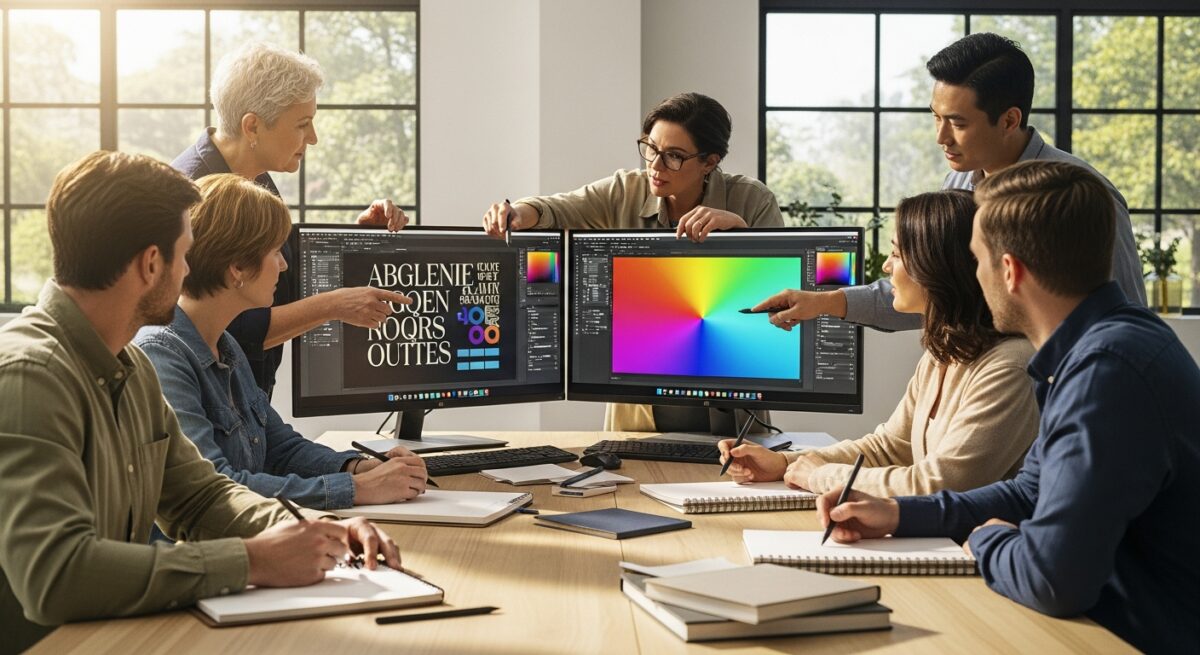
The demand for skilled visual communicators has never been higher, and earning a degree through graphic design schools online programs and admission guide resources is a practical first step for many career changers and working professionals. Whether you are looking to launch a freelance career or secure a role at a top agency, an online graphic design degree offers the flexibility to learn without putting your life on hold. This article walks you through what to expect from design courses online, how to evaluate programs, and the exact steps to submit a strong application.
Online education has matured significantly over the past decade. Accredited universities now deliver rigorous curricula that mirror their on-campus counterparts, often with the added benefit of recorded lectures, interactive critique sessions, and portfolio-building projects. For adult learners balancing jobs and family responsibilities, these programs remove geographic and scheduling barriers. Before diving into specific schools, it helps to understand the core components that make a program worth your time and tuition investment.
What to Look for in an Online Graphic Design Degree
Not all online graphic design degrees are created equal. The most valuable programs combine foundational theory with hands-on software training and real-world client simulations. You want a curriculum that covers typography, color theory, layout design, user experience (UX) basics, and industry-standard tools like Adobe Creative Cloud (Photoshop, Illustrator, InDesign). Additionally, strong programs emphasize portfolio development because hiring managers care more about your body of work than your transcript.
Accreditation is another critical factor. Regional accreditation ensures that credits transfer smoothly and that the degree is recognized by employers and graduate schools. Programmatic accreditation from the National Association of Schools of Art and Design (NASAD) is a bonus for specialized art and design programs. When researching graphic design schools online, always verify the institution’s accreditation status on the Department of Education’s database. This protects your investment and ensures you qualify for federal financial aid.
Curriculum Depth and Faculty Expertise
Look beyond the course titles. Examine sample syllabi, required textbooks, and software requirements. A quality program will include courses on design history, branding, motion graphics, and web design. Faculty profiles should list professional experience in the design industry, not just academic credentials. Instructors who have worked at agencies or as freelance designers bring practical insights that textbooks cannot provide. They can also offer valuable networking connections and mentorship.
Another aspect to consider is the balance between synchronous (live) and asynchronous (self-paced) learning. Some students thrive with scheduled live critiques and lectures, while others need the flexibility to watch recordings later. The best programs offer a mix of both. For example, you might attend a weekly live critique session but complete video tutorials and assignments on your own time. Ask admissions counselors about the typical weekly time commitment and whether classes are recorded for later viewing.
Types of Online Graphic Design Programs
Graphic design schools online offer credentials at every level, from certificates to doctoral degrees. The most common options for adult learners are associate degrees, bachelor’s degrees, and master’s degrees. Each serves a different career goal and time frame.
- Associate of Arts (AA) or Associate of Science (AS) in Graphic Design: Typically 60 credits and takes two years of full-time study. Ideal for entry-level positions or as a stepping stone to a bachelor’s degree. Focuses on foundational skills and software proficiency.
- Bachelor of Fine Arts (BFA) in Graphic Design: The standard credential for professional designers. Usually requires 120 credits and four years of study. Includes advanced coursework in branding, UX/UI, and portfolio development. Most employers prefer a BFA for full-time roles.
- Master of Fine Arts (MFA) in Graphic Design: A terminal degree for those seeking leadership roles, teaching positions, or specialized expertise. Typically requires 60 credits and two to three years. Emphasizes research, theory, and advanced studio practice.
- Certificate Programs: Short-term options (6 to 12 months) focused on specific skills like UX design, motion graphics, or print production. Good for career changers who already hold a degree in another field.
When comparing design courses online, consider your current career stage and how quickly you need to enter or advance in the field. A certificate or associate degree can get you started faster, but a bachelor’s degree typically unlocks higher salaries and more opportunities for advancement. Many universities also offer accelerated online programs that allow you to complete a bachelor’s degree in as few as 18 months if you transfer in previous college credits.
Admission Requirements and Application Process
The admission process for an online graphic design degree varies by institution, but most programs require a combination of academic records, a portfolio, and a personal statement. Understanding these requirements early helps you prepare a competitive application. Below is a typical checklist for undergraduate programs.
- High school diploma or GED: Official transcripts showing a minimum GPA (often 2.5 or higher). Some programs require SAT or ACT scores, though many have waived these recently.
- Portfolio of creative work: The most important component. Submit 10 to 20 pieces that demonstrate drawing ability, design sense, and software skills. Include a mix of class projects, personal work, and professional samples if available.
- Personal statement or essay: Explain why you want to study graphic design, your career goals, and why you chose that specific program. Keep it concise and authentic.
- Letters of recommendation: Usually two or three from teachers, employers, or mentors who can speak to your creativity and work ethic.
- Application fee and completed form: Fees range from $30 to $100. Some schools waive fees for online applicants.
For graduate programs (MFA), the requirements are more rigorous. You will need a bachelor’s degree from an accredited institution, a stronger portfolio, a statement of purpose, and sometimes a resume or interview. Some MFA programs also require GRE scores, though many have dropped this requirement. Start your research at least six months before the application deadline to give yourself time to refine your portfolio and request recommendations.
One common concern among prospective students is whether an online degree is viewed differently by employers. The short answer is no, provided the program is from an accredited, reputable institution. Employers care about your portfolio and your ability to solve design problems. A degree from a well-known online program signals discipline, time management, and technical proficiency. However, you should avoid unaccredited diploma mills that offer degrees with little academic rigor. Always verify accreditation before applying.
Financial Aid and Tuition Considerations
Cost is a major factor when choosing among graphic design schools online. Tuition for online programs can range from $10,000 to $60,000 per year depending on the institution, residency status, and degree level. Fortunately, online students have access to the same financial aid options as on-campus students, including federal grants, loans, and work-study programs. Fill out the Free Application for Federal Student Aid (FAFSA) as early as possible to determine your eligibility.
Many schools also offer scholarships specifically for online or design students. These may be merit-based (portfolio awards) or need-based. Additionally, some employers offer tuition reimbursement for employees pursuing degrees related to their field. If you are currently working, check with your human resources department. Another cost-saving strategy is to attend a community college for general education requirements and then transfer to a four-year online program. This can cut your total tuition by thousands of dollars.
In our guide on Online Master’s Program Options at the University of Mississippi, we explain how to evaluate program costs and financial aid packages. The same principles apply to undergraduate graphic design programs. Always request a net price calculator from each school to estimate your out-of-pocket expenses after aid.
Frequently Asked Questions
Can I become a graphic designer with an online degree?
Yes. Many successful graphic designers earned their degrees entirely online. Employers focus on your portfolio, skills, and experience rather than the format of your education. An accredited online degree provides the same foundational knowledge as an on-campus program.
How long does it take to complete an online graphic design degree?
For a bachelor’s degree, expect four years of full-time study. Accelerated programs allow completion in as few as 18 months if you transfer credits. Associate degrees take about two years, and certificates can be completed in 6 to 12 months.
What software will I need for online design courses?
Most programs require Adobe Creative Cloud (Photoshop, Illustrator, InDesign). Some also use Figma for UX design, After Effects for motion graphics, and Blender for 3D modeling. Many schools offer student discounts on software subscriptions.
Are online graphic design programs accredited?
Many are. Look for regional accreditation from agencies like the Higher Learning Commission or the Southern Association of Colleges and Schools. Programmatic accreditation from NASAD is also a strong indicator of quality.
Do I need a portfolio to apply?
For most bachelor’s and master’s programs, yes. Associate degree programs may not require one, but submitting a portfolio can strengthen your application. If you have no prior design experience, take a short course or create a few projects before applying.
Making Your Final Decision
Choosing the right program requires balancing cost, accreditation, curriculum, and flexibility. Start by listing your priorities: do you need a completely asynchronous schedule, or can you attend live sessions? Is a specific software focus important, or do you want a broad foundation? Reach out to admissions counselors and ask to speak with current students or alumni. Their firsthand experiences can reveal the actual workload, faculty responsiveness, and career support services.
Remember that the goal of an online graphic design degree is not just the diploma but the portfolio and professional network you build along the way. Engage actively in critique forums, join student design organizations, and seek internships or freelance projects during your studies. These experiences will set you apart when you enter the job market. For additional guidance on comparing programs and understanding the true cost of your education, visit CollegeDegrees.school for comprehensive resources on accredited online degrees.
Ultimately, the right graphic design schools online programs and admission guide can transform your career trajectory. With careful research and a clear plan, you can earn a respected degree that opens doors to creative and fulfilling work. Take the first step today by reviewing the programs that align with your goals, preparing your portfolio, and submitting applications to your top choices.