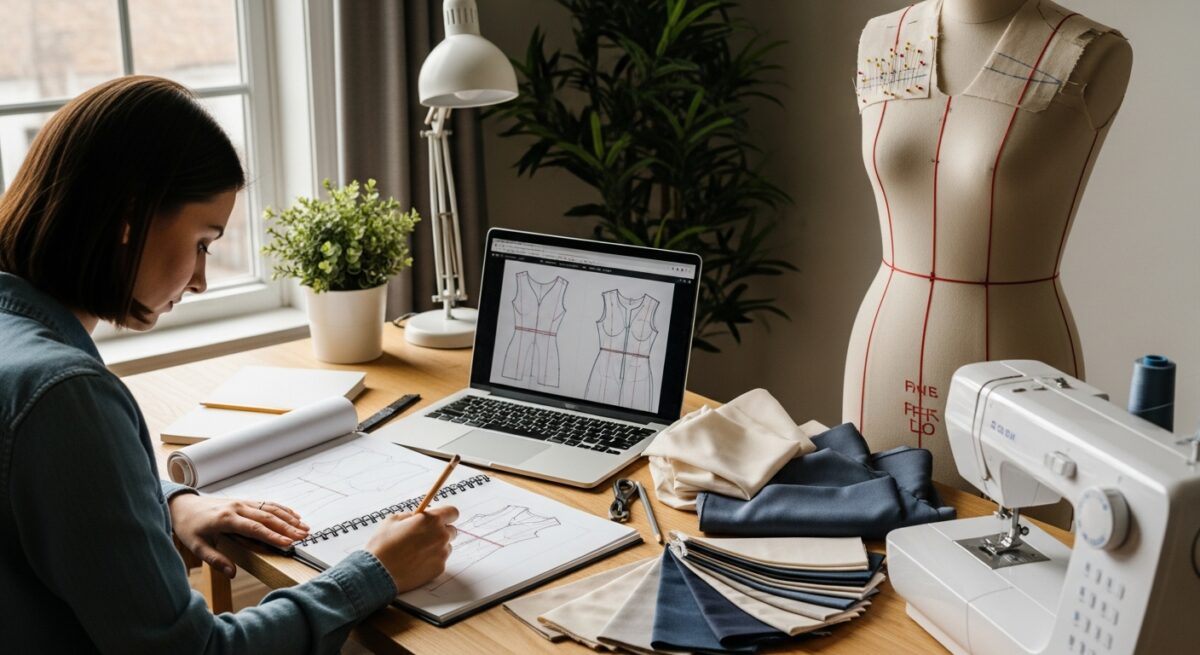
Fashion design has traditionally been a hands-on field, with aspiring designers learning pattern making, draping, and sketching in studio classrooms. However, the rise of digital learning has transformed how people enter this creative industry. Today, fashion design courses online offer a flexible pathway for students to gain technical skills, build portfolios, and connect with mentors from anywhere in the world. Understanding how these programs work and what to expect can help you decide if this educational route aligns with your career goals.
The Structure of Online Fashion Design Programs
Online fashion design classes vary widely in format, but most share a common structure that balances theoretical knowledge with practical application. Programs typically include video lectures, live workshops, downloadable resources, and project-based assignments. You may watch a recorded demonstration on constructing a bodice block, then complete a sewing assignment at home and submit photos or video for instructor feedback.
Many courses are self-paced, allowing you to complete modules on your own schedule. Others follow a cohort model with weekly deadlines and live critique sessions. Some platforms, such as those featured on collegedegree.education, provide additional resources for students seeking accredited pathways. The best programs include a mix of both flexibility and structure to keep you accountable while accommodating your personal schedule.
Core Components of a Typical Online Curriculum
A comprehensive online fashion design program covers several essential areas. These components ensure you develop both creative and technical proficiency:
- Fashion Illustration and Sketching: Techniques for drawing croquis, rendering fabrics, and communicating design ideas visually.
- Pattern Making and Draping: Methods for creating templates and manipulating fabric on a dress form to achieve desired silhouettes.
- Sewing and Garment Construction: Hands-on practice with stitching, seam finishes, and assembly techniques.
- Textile Science: Understanding fiber types, fabric properties, dyeing processes, and sustainability considerations.
- History of Fashion: Contextual knowledge of design movements, influential designers, and cultural trends.
Each of these topics is typically broken into modules that build upon one another. For example, you might start with basic sketching, then move to pattern drafting, and finally construct a finished garment. This scaffolding approach ensures that foundational skills are established before advancing to complex projects.
How Online Learning Differs from Traditional Fashion School
One of the most significant differences between online fashion design courses and traditional brick-and-mortar programs is the absence of a physical studio. In a typical classroom, you have immediate access to industrial sewing machines, cutting tables, dress forms, and instructor guidance. Online programs compensate for this by providing detailed video demonstrations, digital templates, and virtual office hours.
Another key distinction is the emphasis on self-discipline. Without a set class time and location, you must create your own study schedule and workspace. Successful online students often designate a specific area in their home for sewing and design work, and they set regular hours for completing assignments. Many programs also require you to source your own materials, which can be an added logistical challenge but also teaches resourcefulness.
For adult learners and career changers, online fashion design classes offer the advantage of flexibility. You can continue working a full-time job while studying in the evenings or on weekends. This accessibility makes fashion education available to people who cannot relocate to a fashion capital like New York, Paris, or Milan. If you are exploring other flexible educational paths, our guide on Human Resources Courses Online and Degree Options for 2026 provides similar insights into balancing work and study.
Technology and Tools You Will Need
To succeed in online fashion design courses, you need a reliable computer, a high-speed internet connection, and basic design software. Most programs require Adobe Illustrator and Photoshop for digital sketching and technical flats. Some courses also use specialized pattern-making software like CLO 3D or Optitex for virtual garment simulation.
On the physical side, you will need a sewing machine (preferably with zigzag and straight stitch capabilities), a dress form adjustable to your measurements, fabric scissors, pins, measuring tape, and a variety of fabrics for practice projects. Some programs provide a list of required supplies before the course begins, so you can purchase everything in advance.
Video submission is a standard method for assessment. You may be asked to film yourself performing a specific sewing technique or to photograph your finished garment from multiple angles. Good lighting and a clear background help instructors evaluate your work accurately. Many students invest in a simple ring light and a tripod for their phone or camera.
Certification and Accreditation Options
Not all online fashion design courses are created equal. Some offer a fashion design certification online that is recognized by industry employers, while others provide a certificate of completion that holds less weight. When evaluating programs, look for accreditation from recognized bodies such as the National Association of Schools of Art and Design (NASAD) or the Accrediting Commission of Career Schools and Colleges (ACCSC).
Many universities now offer fully online bachelor’s and master’s degrees in fashion design. These programs carry the same accreditation as their on-campus counterparts and can be a strong credential for your resume. Shorter certificate programs from reputable institutions like Parsons School of Design or the Fashion Institute of Technology also carry prestige, even when completed online.
If you are considering a degree program rather than a standalone certificate, research transfer policies and financial aid options. Some online degrees allow you to transfer credits from previous college coursework, which can reduce both time and cost. For personalized guidance on comparing programs and financial planning, collegedegree.education offers resources to help you make informed decisions.
Building a Portfolio Through Online Courses
Your portfolio is the single most important asset when applying for jobs in fashion design. Online courses are designed to help you build one incrementally. Each major project you complete, whether it is a collection of sketches, a draped garment, or a finished dress, becomes a piece of your portfolio.
Instructors typically provide feedback on how to photograph and present your work professionally. You will learn to create flat lays, model shots, and detail close-ups that highlight your craftsmanship. Some courses also teach you how to organize your portfolio digitally using platforms like Behance, Adobe Portfolio, or a personal website.
Networking is another benefit of online programs. Discussion forums, live critique sessions, and group projects connect you with peers and industry professionals. Many programs invite guest lecturers who are working designers, buyers, or fashion editors. These connections can lead to internships, mentorship opportunities, and job referrals.
Frequently Asked Questions
Can I learn fashion design online without any prior experience?
Yes, many online fashion design courses are designed for beginners. They start with basic terminology, tool usage, and fundamental techniques. Look for programs that explicitly state they welcome students with no sewing or design background.
How long does it take to complete an online fashion design course?
Duration varies widely. Short certificate programs can be completed in 3 to 6 months, while associate degrees take about 2 years, and bachelor’s degrees typically require 4 years of part-time or full-time study. Self-paced courses allow you to finish faster if you dedicate more hours per week.
Do employers take online fashion design degrees seriously?
Employers value skills and portfolio quality over the delivery method of your education. A degree from an accredited institution, whether earned online or on campus, is generally respected. Many top fashion companies have hired graduates from online programs who demonstrated strong technical abilities and a compelling portfolio.
What is the cost of online fashion design courses?
Costs range from free introductory classes to tens of thousands of dollars for accredited degree programs. Certificate programs from established schools typically cost between $1,000 and $5,000. Always verify what is included in the tuition, such as software licenses, critique sessions, and career services.
Can I get financial aid for online fashion design programs?
Yes, if the program is offered by an accredited institution and you are enrolled in a degree or eligible certificate program, you may qualify for federal financial aid, grants, or scholarships. Check with the school’s financial aid office for details.
Fashion design courses online have opened doors for countless aspiring designers who need flexibility without sacrificing quality. By understanding how these programs work, what tools you need, and how to evaluate your options, you can take the first confident step toward a career in fashion. Whether you dream of launching your own label or working for a major brand, online education can provide the foundational skills and industry connections to make that vision a reality.