Distance education programs have fundamentally reshaped the landscape of higher learning, offering unprecedented access and flexibility. For many prospective students, however, the mechanics of how online learning actually works remain a mystery. Moving beyond the simple idea of “classes on the internet,” modern distance learning programs are sophisticated ecosystems designed to deliver rigorous education asynchronously and synchronously. This guide demystifies the process, from the technology platforms that host your courses to the pedagogical strategies that ensure you gain a valuable education. Understanding these inner workings is the first step to succeeding in a flexible, accredited distance education program.
The Core Components of an Online Learning Environment
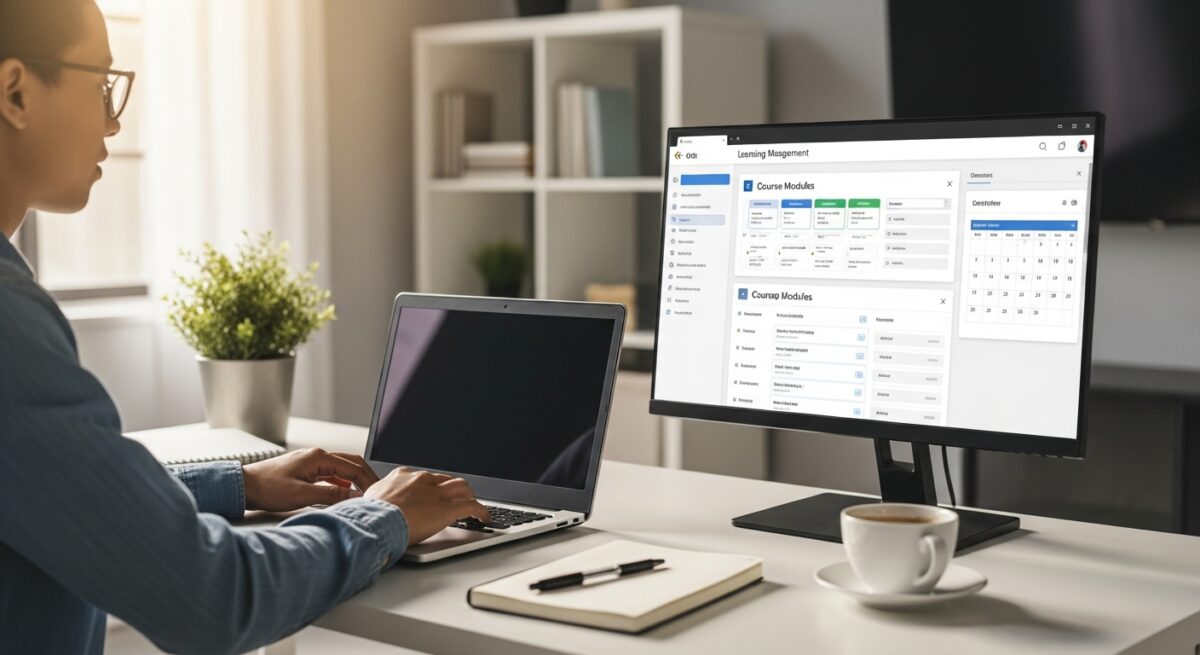
Every distance learning program operates on a digital foundation, typically a Learning Management System (LMS). Platforms like Canvas, Blackboard, and Moodle serve as the virtual campus. This is where your entire academic life unfolds. You will log in to access course syllabi, view lecture materials, submit assignments, take quizzes, participate in discussions, and check your grades. A well-organized LMS is intuitive, but mastering its features early is crucial for staying on track. Familiarize yourself with where to find announcements from your professor, how to upload documents, and how to navigate between different courses.
Within the LMS, content is delivered through various multimedia formats. Pre-recorded video lectures are a staple, allowing you to learn at your own pace. These are often supplemented with slide decks, reading assignments in digital textbooks or articles, and interactive modules. The key difference from a traditional classroom is the shift from passive reception to active engagement with the material on your schedule. Furthermore, many programs integrate external tools for specific needs, such as video conferencing software like Zoom for live sessions, specialized simulation software for fields like nursing or engineering, and plagiarism detection tools for written work. This integrated digital toolkit creates a comprehensive and immersive learning environment.
The Structure of Learning and Interaction
A common misconception is that online learning is isolating. In reality, structured interaction is a cornerstone of quality distance education programs. Interaction happens in three primary dimensions: student-to-content, student-to-instructor, and student-to-student. Student-to-content interaction is your engagement with the course material through readings, videos, and activities. Student-to-instructor interaction occurs via email, virtual office hours, assignment feedback, and sometimes live lectures. The instructor’s role evolves into that of a facilitator and guide, providing direction and expert insight.
Student-to-student interaction is often facilitated through discussion forums. These are not casual chat rooms but academic dialogues with specific prompts and grading rubrics. You might be asked to post an initial response to a question and then reply to several classmates’ posts, building a week-long conversation. This replicates the collaborative discourse of a physical classroom. For group projects, tools like shared Google Docs, Discord servers, or dedicated breakout rooms in video calls enable teamwork. This collaborative dimension is vital for building a learning community and developing professional skills like remote collaboration, a critical competency in today’s workforce. For those exploring their options, researching degree programs online can reveal how different institutions structure this vital interactive component.
Pedagogical Models in Distance Learning
Not all online courses are designed the same way. Two primary pedagogical models dominate distance learning programs: asynchronous and synchronous learning. Most programs use a blend of both, known as a hybrid or blended online model.
Asynchronous learning is the hallmark of flexibility. There are no scheduled live meetings. You complete coursework, watch lectures, and participate in discussions on your own time, within set weekly deadlines. This model is ideal for working professionals, parents, or students in different time zones. It requires strong self-discipline and time management skills, as you are responsible for structuring your study schedule.
Synchronous learning involves live, real-time sessions conducted via video conferencing. These sessions may be lectures, seminars, Q&A periods, or group work. They provide immediate interaction and a sense of cohort connection. The requirement to be online at a specific time reduces flexibility but increases structure. A quality program will clearly state the synchronous requirements before you enroll.
A third, increasingly popular model is competency-based education (CBE). In CBE programs, progress is based on demonstrating mastery of specific skills and knowledge rather than spending a set number of hours in a course. You work through material at your own pace, accelerating once you prove competency. This model is highly efficient for motivated, self-directed learners with prior knowledge in their field.
The Student’s Role: Skills for Success
Succeeding in a distance learning program demands a specific set of skills beyond academic ability. The autonomy offered is a double-edged sword, it requires proactive discipline. First and foremost, you must be an exceptional time manager. Without a fixed class schedule, it is easy to fall behind. Successful students treat their online education like a job, blocking out dedicated, uninterrupted study time on their calendar. They break down larger assignments into smaller, manageable tasks with self-imposed deadlines.
Secondly, you must be a proactive communicator. In a physical classroom, you can ask a quick question after a lecture. Online, you need to articulate your questions clearly via email or discussion posts. Do not hesitate to reach out to instructors when you need clarification, they expect and welcome it. Similarly, engaging early and substantively in discussion forums is key, not just for your grade but for deepening your understanding through peer perspectives.
Finally, you need to cultivate self-motivation and resilience. There will be no professor physically looking over your shoulder. Your drive must come from within, fueled by your academic and career goals. Creating a dedicated, organized study space free from distractions is a practical step to foster this mindset. Technical self-sufficiency is also part of this, being comfortable troubleshooting basic computer and internet issues is essential.
Assessment and Academic Integrity
How are you graded in an online program? Assessment methods are diverse and designed to measure learning outcomes effectively. Common formats include written essays and research papers, submitted digitally. Discussion forum participation is often a significant graded component, evaluated on the quality, frequency, and depth of your contributions. Quizzes and exams present a unique challenge online. Many programs use proctoring software that monitors you via your webcam to ensure academic integrity. Others design exams to be open-book but with strict time limits and complex, application-based questions that discourage simple look-up answers.
Projects, portfolios, and presentations are also prevalent. You might create a business plan, a teaching portfolio, a software program, or a recorded presentation. These authentic assessments measure your ability to apply knowledge. Academic integrity is paramount. Institutions have strict policies against plagiarism and cheating, enforced through honor codes, plagiarism detection software (like Turnitin), and proctoring tools. Upholding these standards is what preserves the value and credibility of your degree. As explored in our guide on digital education programs and career advancement, the reputation of your credential hinges on the rigor of the program’s assessment protocols.
Choosing and Thriving in Your Program
Selecting the right distance education program is the first critical step to success. Always prioritize accreditation, it is the primary indicator of quality and ensures your degree will be recognized by employers and other institutions. Research the specific delivery model (asynchronous vs. synchronous) to ensure it fits your life. Scrutinize the support services offered: Is there 24/7 technical support? Access to online librarians? Career services and academic advising for online students? These resources are vital for your success.
Once enrolled, thrive by employing these strategies:
- Log in daily: Make it a habit to check the LMS every day for announcements and updates.
- Introduce yourself: Participate in introductory forums to connect with peers and instructors from the start.
- Create a syllabus map: At the beginning of each term, transfer all due dates from every syllabus into one master calendar.
- Communicate early: If you are struggling with a concept or have a personal conflict, contact your instructor immediately, not the night before an assignment is due.
- Build a network: Actively connect with classmates on professional networks like LinkedIn. These can become valuable professional contacts.
By understanding the systems, honing the necessary skills, and engaging fully, you transform the distance learning experience from a transactional process into a deeply rewarding educational journey. The flexibility of a distance learning program is not about making education easier, it is about making it more accessible, allowing you to integrate advanced learning into the complex tapestry of your adult life.
Frequently Asked Questions
Are online degrees respected by employers?
Yes, overwhelmingly so, especially when earned from a regionally accredited institution. The stigma has largely disappeared as major universities have launched online programs. Employers primarily care about the accreditation of the school and the skills you have gained.
How much time should I expect to spend on an online course per week?
A standard rule is 3-4 hours per week per credit hour. For a 3-credit course, expect 9-12 hours of work weekly. This includes watching lectures, reading, completing assignments, and participating in discussions.
Can I get financial aid for an online degree program?
Absolutely. Accredited online degree programs qualify for the same federal financial aid (loans, grants) as their on-campus counterparts. You must complete the FAFSA and ensure the program you choose is accredited by a recognized agency.
What technology do I need to be successful?
At minimum, a reliable computer (not just a tablet or phone), a high-speed internet connection, a webcam, a microphone, and up-to-date software (like a word processor). Specific programs may have additional requirements for software or hardware.
How do I interact with professors and classmates if I never see them?
Interaction is constant but digital. You will communicate via email, discussion boards, live video sessions, and collaborative documents. Many students find they have more direct interaction with professors online than in large lecture halls, as communication is more intentional and recorded.
The evolution of distance education programs represents a powerful democratization of knowledge. By understanding how online learning works, from the technology to the teaching methodologies, you empower yourself to make informed decisions and fully leverage the opportunity. This mode of education is not a substitute for traditional learning, it is a robust, parallel pathway designed for the modern world, offering rigor, community, and a respected credential to those who approach it with dedication and strategy.