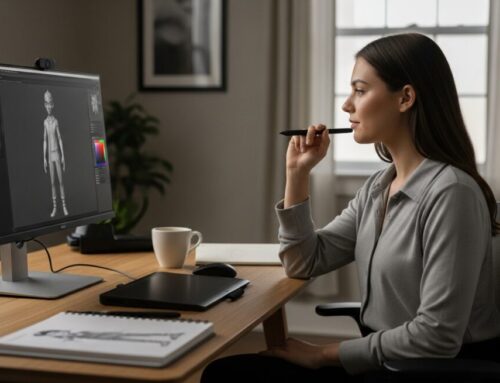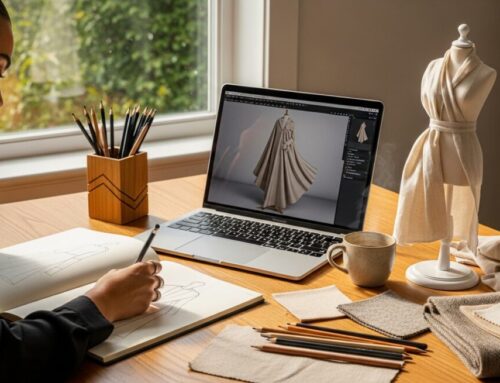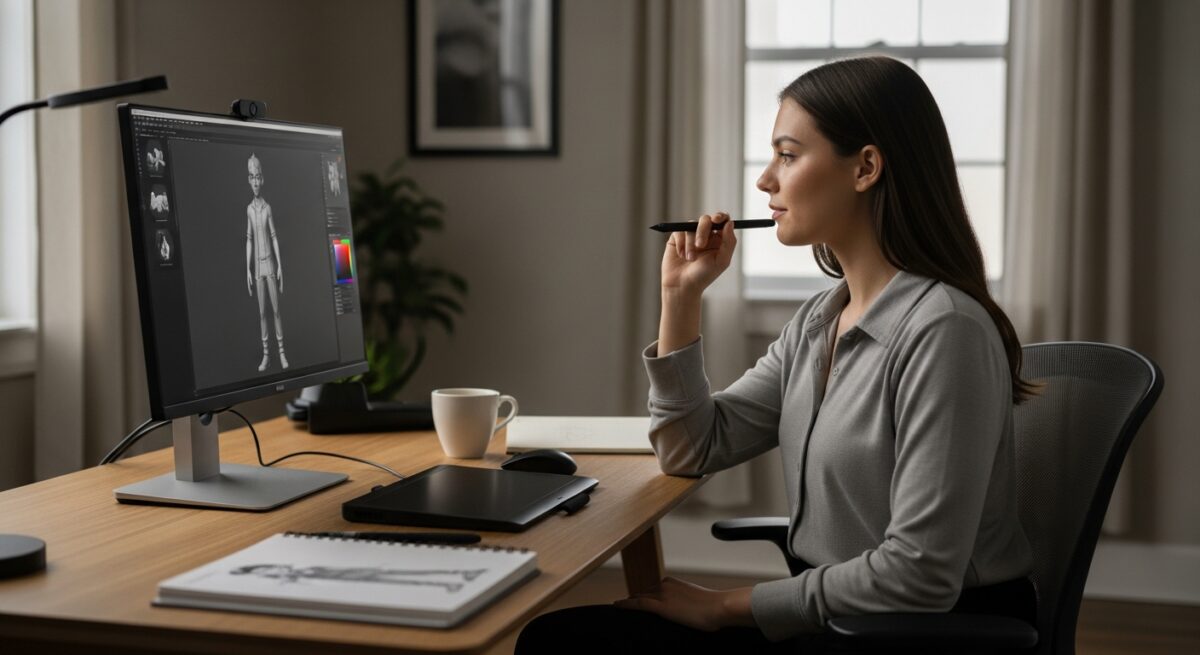
The demand for digital media professionals continues to grow as businesses shift more of their marketing and communication efforts online. A digital media course can open doors to careers in content creation, social media management, video production, and web design. However, with hundreds of programs available, finding the right fit requires careful research. This digital media courses online guide will help you evaluate your options, understand what to look for in a program, and take the next step toward a rewarding career.
What Is Digital Media and Why Study It Online?
Digital media refers to any content that is created, distributed, and consumed through digital devices. This includes videos, podcasts, social media posts, websites, animations, and interactive graphics. Studying digital media online allows you to develop technical and creative skills from anywhere in the world. Online programs offer flexibility for working professionals and adult learners who need to balance education with other responsibilities.
When you enroll in a digital media training online program, you typically learn software tools such as Adobe Creative Suite, video editing platforms, and content management systems. You also gain strategic skills in audience analysis, campaign planning, and performance measurement. The best programs combine hands-on projects with theoretical knowledge to prepare you for real-world challenges.
Key Factors to Evaluate Before Enrolling
Not all digital media courses are created equal. To make an informed decision, you should consider several critical factors before committing to a program.
Accreditation and Institutional Reputation
Accreditation ensures that a program meets established quality standards. Look for schools that hold regional or national accreditation recognized by the U.S. Department of Education. An accredited digital media course carries more weight with employers and may be required for financial aid eligibility. Research the institution’s reputation by reading student reviews, checking graduation rates, and reviewing job placement statistics.
Curriculum and Specializations
The curriculum should reflect current industry practices and emerging trends. A strong program covers core areas such as graphic design, video production, social media strategy, and data analytics. Some programs offer specializations in fields like digital marketing, UX/UI design, or animation. Choose a digital media training online program that aligns with your career goals. For example, if you want to become a social media manager, look for courses that include platform-specific strategies, community management, and paid advertising.
Hands-On Learning and Portfolio Development
Employers in digital media care more about what you can do than where you studied. The best programs require you to complete real-world projects that you can showcase in a professional portfolio. Look for courses that include capstone projects, internships, or client-based assignments. A portfolio that demonstrates your skills in video editing, graphic design, or campaign management will set you apart during job interviews.
Faculty Expertise and Industry Connections
Instructors with current industry experience bring practical insights to the classroom. Research faculty profiles to see if they have worked in digital media roles, consulted for brands, or maintained active professional networks. Programs that partner with companies for guest lectures, mentorship, or job placement can give you a significant advantage when starting your career.
Cost and Financial Aid Options
Tuition for online digital media programs varies widely. Public universities often offer lower rates for in-state students, while private institutions may charge more but provide more financial aid. Before enrolling, calculate the total cost including fees, software subscriptions, and equipment. Many schools offer scholarships, grants, or payment plans for online learners. You can also explore employer tuition reimbursement programs if you are currently working.
Types of Digital Media Courses and Programs
Understanding the different types of digital media courses available helps you match a program to your schedule and career stage.
Short Certificate Programs
Certificate programs typically take a few months to complete and focus on specific skills like social media marketing, video production, or web design. These are ideal for professionals who want to upskill quickly or explore a new field without committing to a full degree. Many certificate programs are offered by community colleges, online learning platforms, and universities. They often cost less than degree programs and can be completed part-time while working.
Associate and Bachelor’s Degrees
An associate degree in digital media provides foundational knowledge and can transfer to a four-year program. A bachelor’s degree offers comprehensive training and is often required for management-level positions. Online bachelor’s programs in digital media cover topics such as visual communication, multimedia production, and digital ethics. These programs typically take four years of full-time study but may offer accelerated options for transfer students.
Master’s Degrees and Graduate Certificates
For those seeking advanced roles or leadership positions, a master’s degree in digital media or a related field provides deeper strategic and analytical training. Graduate certificates offer specialized knowledge in areas like digital analytics or content strategy. These programs are designed for working professionals and often feature evening or asynchronous classes.

Skills You Will Gain From a Digital Media Course
A well-designed digital media course develops both technical and soft skills that employers value.
- Technical proficiency: You will learn to use industry-standard software for graphic design, video editing, audio production, and web development. Tools like Adobe Photoshop, Premiere Pro, After Effects, and Canva are commonly taught.
- Content strategy: Courses teach you how to plan, create, and distribute content that engages target audiences. You will learn about content calendars, SEO best practices, and multichannel distribution.
- Analytics and measurement: Understanding data is essential in digital media. You will learn to interpret metrics from platforms like Google Analytics, social media insights, and email marketing reports to optimize campaigns.
- Project management: Digital media projects often involve tight deadlines and collaboration. You will develop skills in scheduling, budgeting, and team communication.
- Creative problem-solving: You will practice brainstorming, prototyping, and iterating on ideas to solve communication challenges for real or simulated clients.
These skills are transferable across industries, making digital media graduates valuable in sectors such as advertising, entertainment, education, healthcare, and nonprofit organizations.
How to Compare Online Digital Media Programs
Once you have identified potential programs, use a systematic approach to compare them.
- Review the course syllabus: Look for specific topics, project requirements, and learning outcomes. Make sure the content matches your career goals.
- Check technology requirements: Some programs require a high-performance computer, specific software, or a stable internet connection. Verify these requirements before enrolling.
- Read student and alumni reviews: Platforms like Course Report, GradReports, and LinkedIn can provide honest feedback about program quality and career outcomes.
- Contact admissions or program advisors: Ask about job placement rates, internship opportunities, and alumni networks. A responsive advisor indicates good student support.
- Compare total costs and financial aid: Create a spreadsheet with tuition, fees, and estimated expenses for each program. Factor in the time to completion and potential earnings after graduation.
Taking these steps helps you avoid programs that overpromise and underdeliver. For additional guidance on selecting the right educational path, our guide on free animation courses online for beginners provides insights into entry-level digital media training options.
Career Opportunities After Completing a Digital Media Course
Graduates of digital media programs can pursue a variety of roles. Common job titles include digital marketing specialist, social media manager, content creator, video editor, graphic designer, and UX/UI designer. According to the U.S. Bureau of Labor Statistics, employment in media and communication occupations is projected to grow faster than average over the next decade. Salaries vary by role and location, but entry-level positions typically start between $40,000 and $55,000 per year, with experienced professionals earning significantly more.
The skills you gain from a digital media training online program also prepare you for freelance work or entrepreneurship. Many digital media professionals build their own brands, consult for small businesses, or create content for platforms like YouTube, TikTok, and Instagram. The flexibility of online work makes this field attractive for those seeking location independence.
Frequently Asked Questions
Do I need prior experience to enroll in a digital media course?
Most certificate and degree programs accept beginners. However, some advanced courses may require basic knowledge of design or video editing. Check the prerequisites listed on the program page before applying.
How long does it take to complete a digital media course online?
Certificate programs can take 3 to 12 months. Associate degrees typically require 2 years, bachelor’s degrees take 4 years, and master’s programs range from 1 to 2 years. Accelerated options are available at some institutions.
Can I get financial aid for online digital media courses?
Yes, accredited online programs are eligible for federal financial aid, including grants and loans. Some schools also offer scholarships specifically for online learners. Fill out the FAFSA to determine your eligibility.
What equipment do I need for an online digital media course?
You generally need a laptop or desktop computer with sufficient processing power for video editing and design software. A webcam, microphone, and stable internet connection are also important. Some programs provide software licenses for enrolled students.
Will employers recognize an online digital media degree?
Yes, employers value accredited degrees regardless of whether they were earned online or on campus. The key is to choose a reputable institution and build a strong portfolio that demonstrates your skills.
Choosing the right digital media course is a personal decision that depends on your budget, schedule, and career aspirations. By focusing on accredited programs with hands-on learning and strong industry connections, you can gain the skills needed to thrive in this dynamic field. Use this digital media courses online guide as a starting point to research programs, compare options, and take the first step toward a future in digital media. For more resources on finding the right educational path, visit CollegeDegrees.School to explore accredited programs and connect with schools that match your goals.