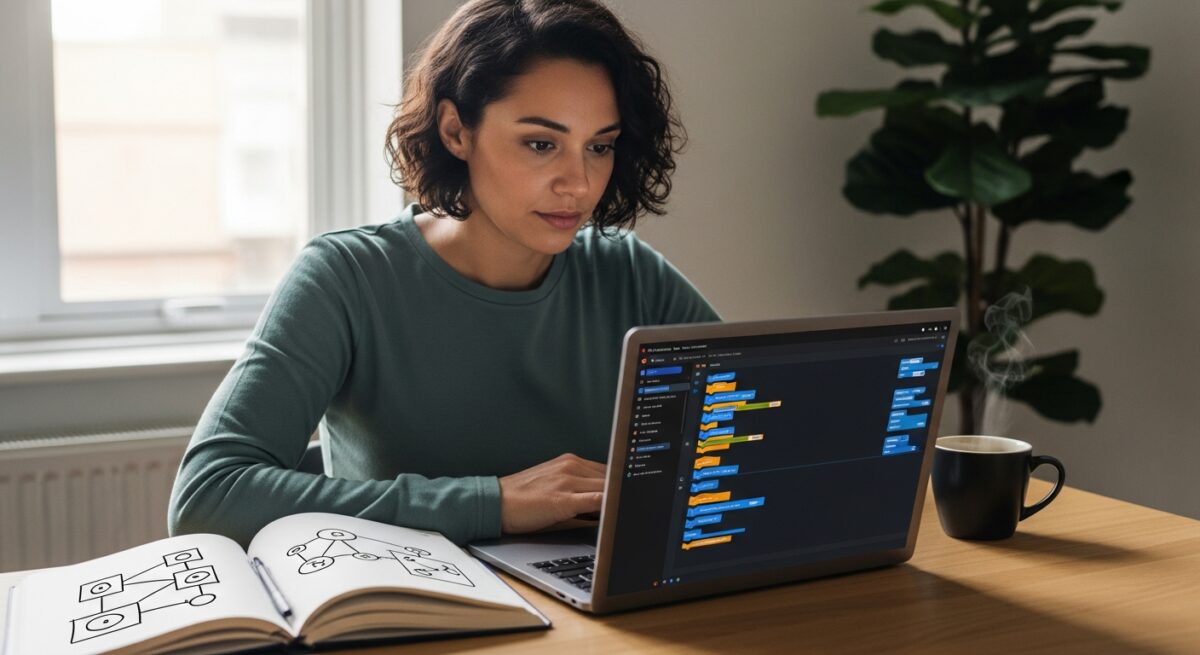
The traditional image of a college student, backpack slung over their shoulder rushing to a lecture hall, is rapidly evolving. Today, a growing number of individuals are choosing to earn a degree from home, leveraging digital technology to achieve their academic and career goals without relocating or pausing their lives. This shift represents more than just convenience, it’s a fundamental change in how education is delivered and accessed. For working adults, parents, military personnel, and career changers, online education provides a viable, respected pathway to a bachelor’s, master’s, or even doctoral degree. The ability to log into a virtual classroom from your living room, study after putting the kids to bed, or complete coursework during a lunch break has democratized higher education in unprecedented ways.
The Legitimacy and Value of an Online Degree
A common and understandable concern for prospective students is whether a degree earned online holds the same weight as one earned on campus. The unequivocal answer, when the program is properly vetted, is yes. The value of a degree is fundamentally tied to the accreditation of the institution granting it. Regional accreditation is the gold standard in the United States, a rigorous peer-review process that ensures an institution meets high standards of quality and rigor. Employers and other universities recognize credits and degrees from regionally accredited schools, regardless of the delivery method.
The perception of online degrees has shifted dramatically over the past decade. As prestigious universities, including many public state systems and private Ivy League institutions, have launched their own online programs, the stigma has largely dissolved. Employers now prioritize the skills and knowledge a candidate possesses. They value the self-discipline, time management, and technological proficiency demonstrated by someone who has successfully completed a rigorous online program. The curriculum, faculty, and graduation requirements for an online degree are typically identical to their on-campus counterparts, ensuring the credential you earn carries full academic and professional legitimacy.
Choosing the Right Program and Institution
Not all online degree programs are created equal. Conducting thorough research is the most critical step in your journey. Your first filter must be accreditation. Verify the school’s accreditation status directly with the accrediting agency, not just the school’s website. Next, consider the program’s format. Is it asynchronous, allowing you to complete work on your own schedule within weekly deadlines, or synchronous, requiring you to be online at specific times for live lectures? Your personal and professional commitments will dictate which model is more suitable.
You should also investigate the level of student support offered. A strong online program provides robust resources, including dedicated academic advisors, 24/7 technical support, access to online libraries and tutoring, and career services. The faculty’s experience with online instruction is another key factor. Instructors who are trained in digital pedagogy can create a more engaging and effective learning experience than those who are simply recording campus lectures.
To make an informed decision, prospective students should evaluate several core components of any online degree program. Here are the essential elements to research before enrolling:
- Accreditation Status: Confirm regional accreditation and any relevant programmatic accreditation (e.g., ABET for engineering, AACSB for business).
- Student Support Services: Assess the availability of advising, tech support, tutoring, library access, and career counseling for online learners.
- Technology and Learning Platform: Understand the platform used (e.g., Canvas, Blackboard) and ensure your computer meets the requirements.
- Faculty Credentials and Engagement: Research the instructors’ qualifications and their availability to online students.
- Graduation and Retention Rates: These metrics, often available through the institution, can indicate program effectiveness and student satisfaction.
After reviewing these factors, delve into the specific curriculum of your chosen major. Does it align with your career objectives? For a broader understanding of the different structures and models available in distance education, our resource on distance learning degrees and options provides a detailed comparison to help clarify your choices.
Financial Considerations and Aid
The cost of an online degree can vary widely, from relatively affordable programs at public universities to premium prices at private institutions. However, a significant advantage of learning from home is the elimination of ancillary costs like campus housing, meal plans, and commuting. Many schools charge online students a per-credit tuition rate that is sometimes lower than the on-campus rate, especially for out-of-state students who may qualify for online-specific tuition discounts.
Financial aid is fully available for accredited online degree programs. The process begins with completing the Free Application for Federal Student Aid (FAFSA). This form determines your eligibility for federal grants, work-study programs, and loans. Many states and institutions also use the FAFSA data to award their own aid. Additionally, you should actively seek out scholarships. Numerous organizations offer scholarships specifically for online learners, adult students, or those in particular fields of study. Employer tuition reimbursement programs are another vital resource for working professionals; always check with your human resources department to see if your company offers such benefits.
Developing the Skills for Success in a Virtual Classroom
Academic success in an online environment requires a distinct set of skills beyond raw intelligence. The most crucial is self-discipline. Without the structure of a physical class schedule, you must become your own project manager. This involves creating a consistent study schedule, treating your coursework like a non-negotiable appointment, and breaking down large assignments into manageable tasks. Effective time management is its close cousin. Use digital calendars, planners, and to-do lists to track deadlines for discussions, assignments, and exams.
Proactive communication is another pillar of success. In a physical classroom, you can raise your hand. Online, you must be assertive in reaching out. Introduce yourself to professors and peers in discussion forums, ask questions via email or virtual office hours, and participate actively in online discussions. This not only clarifies your understanding but also builds a sense of community and connection, combating the potential isolation of remote learning. Finally, you must cultivate technical literacy. Familiarize yourself with the learning management system, ensure you have a reliable internet connection, and know how to troubleshoot basic issues or where to find tech support quickly.
Balancing Education With Life and Career
One of the primary reasons people choose to earn a degree from home is to maintain their current professional and personal responsibilities. Achieving this balance requires intentional strategy and clear communication. Start by having an honest conversation with your family or household members. Explain your goals, your anticipated time commitment, and how they can support you, whether that means quiet hours for studying or help with household chores.
In your professional life, consider informing your supervisor of your educational pursuits, especially if it relates to your current role or future within the company. They may offer flexibility, and it demonstrates ambition and commitment. The key to sustainable balance is integration, not just juggling. Look for ways to apply your coursework to your current job, making your learning immediately relevant. Also, be ruthless with time management. Identify pockets of “lost” time in your day, such as a commute (now saved), lunch breaks, or early mornings, and dedicate them to reading or watching lecture videos. Remember to schedule downtime as well, burnout is a real risk when adding a major commitment like a degree program to an already full life.
Frequently Asked Questions
Will my diploma say “online degree”?
In the vast majority of cases, no. The diploma awarded by an accredited university typically does not distinguish between online and on-campus study. It will state the name of the institution, the degree earned (e.g., Bachelor of Science), and your major. The mode of delivery is not part of the official credential.
How do online exams and proctoring work?
Assessment methods vary. Some courses use traditional papers and projects, while others may have timed exams. For exams requiring supervision, many programs use automated proctoring software that uses your webcam and AI to monitor your activity. Other schools may use live human proctors via video link or require exams to be taken at an approved testing center.
Can I transfer credits from previous college experience?
Yes, most accredited online degree programs accept transfer credits from other accredited institutions. You will typically need to submit official transcripts for evaluation. There is often a limit on the number of credits you can transfer, and they must apply to your new degree plan’s requirements.
Is there an opportunity for networking in an online program?
Absolutely. Quality online programs build networking into the experience through group projects, discussion boards, cohort models where you progress with the same group of students, and even virtual career fairs and alumni networks. The onus is on you to participate actively to build those connections.
How long does it take to earn a degree from home?
The timeline mirrors traditional programs: typically four years for a bachelor’s and two years for a master’s, assuming full-time enrollment. However, many online programs offer accelerated tracks with shorter terms, allowing you to complete courses faster. Conversely, part-time study will extend the timeline. Some innovative models use competency-based education, where you progress by demonstrating mastery, not time spent, which can significantly shorten the journey if you have prior knowledge.
Earning a degree from home is a powerful, flexible, and legitimate avenue for advancing your education and career. It demands dedication, organization, and proactive engagement, but the rewards, a respected credential, enhanced skills, and new career opportunities, are within reach without upending your life. By carefully selecting an accredited program, mastering the skills of the online learner, and leveraging available resources, you can successfully navigate this journey. For those seeking further clarity on navigating academic pathways and making informed decisions, exploring dedicated resources for online degree guidance can provide an essential foundation for your planning. The future of education is increasingly digital, and it offers a world of possibility right from your home office.