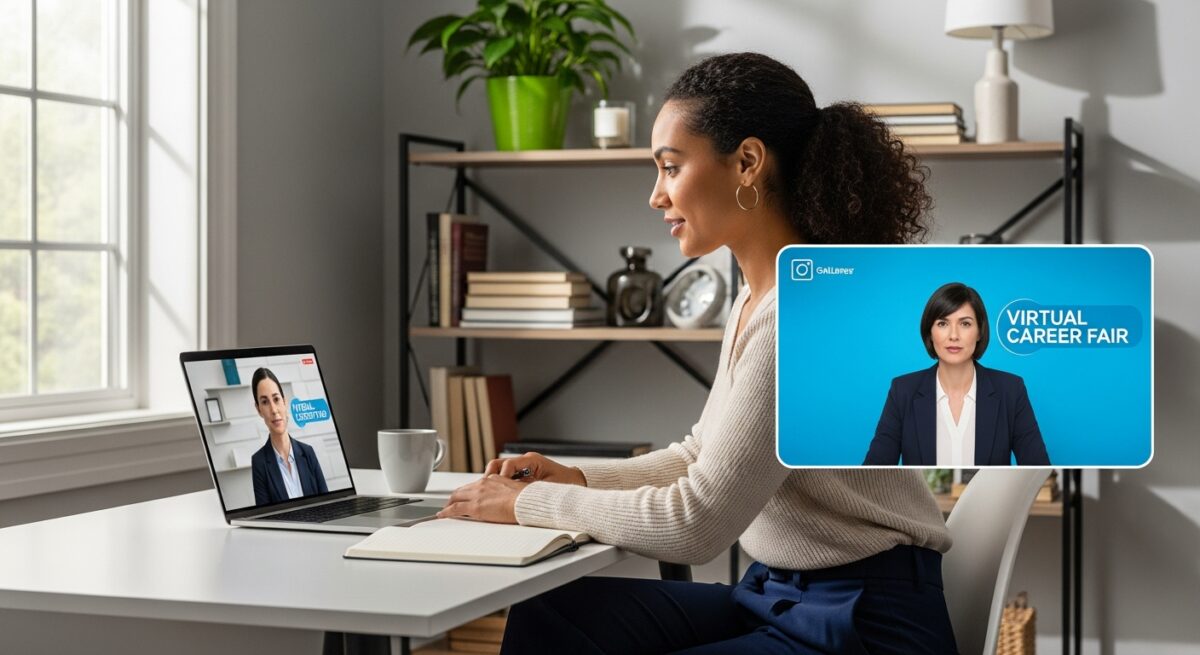
For online students, the traditional career fair experience, a cornerstone of on-campus recruitment, can feel out of reach. The geographical distance, the inflexibility of a weekday schedule, and the logistical hurdles of attending an in-person event are significant barriers. Yet, the need to build professional networks and secure employment is just as critical, if not more so, for the online learner who is often balancing education with work and family. This is where the innovative model of online colleges with virtual career fairs becomes a transformative bridge. These digital events are not mere substitutes for their physical counterparts, they are powerful, accessible, and often more efficient platforms designed to connect a distributed student body directly with potential employers from across the globe. By leveraging specialized technology, online colleges are dismantling the walls of the traditional campus and creating dynamic marketplaces for talent and opportunity.
The Strategic Advantage of Virtual Career Fairs for Online Students
The core value proposition of a virtual career fair hosted by an online college is its inherent alignment with the student’s lifestyle and goals. These institutions understand that their students are not defined by a physical location, and their career services must reflect that reality. The virtual format directly addresses the primary pain points of the online learner: time, location, and access. A student in a rural community can have a one-on-one video conversation with a hiring manager from a Fortune 500 company based in a major metropolitan hub, all without leaving their home office. A working professional completing their degree in the evenings can schedule chats during their lunch break. This democratization of access is the first and most profound advantage.
Beyond convenience, these events are often highly curated and targeted. Career services teams at quality online colleges actively recruit employers whose needs match the skills and disciplines of their student body. This means a student pursuing an online business administration degree is more likely to encounter relevant companies seeking business analysts, project managers, or marketing associates, rather than sifting through booths for unrelated industries. The preparation and follow-up support are also integrated into the online learning ecosystem. Students typically receive training on using the virtual platform, crafting their digital elevator pitch, and optimizing their online profiles beforehand, turning the event from a passive activity into an active, skill-building component of their education. For a deeper look at how online institutions structure support for diverse learners, our guide on accessible online colleges for all students explores inclusive admissions and support frameworks.
Navigating the Virtual Career Fair Experience: A Step-by-Step Framework
Success at a virtual career fair requires a different strategy than walking into a gymnasium with a stack of resumes. The digital environment demands proactive preparation and polished digital communication. The process can be broken down into three key phases: pre-event, live event, and post-event. Each phase is critical for making meaningful connections that can lead to interviews and job offers.
The pre-event phase is arguably the most important. It begins with registration and platform exploration. Students should log in early to familiarize themselves with the interface, which often includes a lobby, a map of virtual employer booths, and private chat or video rooms. The next step is strategic research. Students must review the list of attending companies and identify their top targets. They should then research those companies, understand their open roles, and prepare specific questions that demonstrate their knowledge and interest. This preparation allows for efficient use of time during the live event.
During the live event, time management and professionalism are key. Students should dress professionally from head to toe, as video calls are standard. They should have a clean, quiet background and test their audio and video equipment beforehand. The interaction typically starts with joining a queue for a one-on-one or group session with a company representative. When the chat begins, the student should have their concise introduction ready, connect their skills to the company’s needs, and ask insightful questions. Taking brief notes during each conversation is essential for personalized follow-up. The following checklist outlines critical pre-event tasks:
- Complete your professional profile on the career fair platform with a current photo and detailed bio.
- Update your LinkedIn profile and digital resume to ensure consistency.
- Prepare a 30-second professional introduction that highlights your degree, skills, and career target.
- Draft 3-5 intelligent questions for each of your target employers.
- Test your internet connection, webcam, microphone, and browser compatibility.
The post-event phase is where many students falter, but it is where relationships are solidified. Within 24 hours, students should send personalized thank-you emails to each representative they spoke with, referencing specific points from their conversation. They should connect on LinkedIn with a personalized invitation. Furthermore, they must act on any instructions given, such as applying for a specific position through the company portal. This diligent follow-up transforms a brief virtual chat into a memorable candidate profile.
Identifying Online Colleges With Robust Virtual Career Services
Not all online colleges invest equally in career development. When researching programs, prospective students should critically evaluate the career support infrastructure as a key differentiator. A strong online college will transparently advertise its virtual career services, including regular virtual career fairs, as a core student benefit. Look for institutions that host multiple themed fairs per year, such as fairs focused on healthcare, technology, business, or government careers. This specificity indicates a deep employer network and a commitment to relevant connections.
The technology platform itself is also an indicator of quality. Leading online colleges partner with established virtual event providers like Brazen, Handshake, or vFairs to deliver a seamless, professional experience. These platforms offer features like resume databases that employers can access, AI-powered matchmaking between student profiles and open jobs, and on-demand content such as recruiter presentations. Additionally, investigate the wraparound services. Do they offer virtual workshops on interview skills? Is there a portal for scheduling mock interviews with career coaches? A comprehensive suite of digital tools signifies an institution that views career readiness as integral to the educational mission, not an afterthought. Students should also explore financial aid options, as many institutions offer scholarships and aid; for those seeking online degree guidance on funding, dedicated resources can help navigate the process.
Maximizing Your Return on Investment From Digital Networking
For the online student, a virtual career fair is more than a single event, it is a pivotal node in a broader digital networking strategy. The connections made there should be nurtured over the long term. The goal is to build a professional network that provides value throughout one’s career, offering insights, mentorship, and referrals. Students should view each interaction as the beginning of a professional relationship. Engaging with company representatives and alumni on LinkedIn by sharing relevant articles or commenting on company posts keeps you on their radar.
Furthermore, the skills developed in preparing for and executing a virtual career fair are directly transferable to the modern job market. The ability to present oneself effectively on video, communicate concisely in digital formats, and manage a professional online presence are competencies that employers highly value. By actively participating in these events, students are not just looking for a job, they are demonstrating their proficiency in the digital communication norms of the 21st-century workplace. This practice builds confidence and reduces the anxiety often associated with remote interviews, providing a significant advantage in a landscape where hybrid and remote work are increasingly common.
Frequently Asked Questions About Virtual Career Fairs
What should I expect during a one-on-one session at a virtual career fair?
Expect a brief, focused conversation similar to an initial screening interview. You will typically have 5-10 minutes with a recruiter or hiring manager. Be ready to give your polished introduction, discuss your background and interest in the company, and ask your prepared questions. The representative will likely provide information about the company culture and open roles and may invite you to apply formally.
Are virtual career fairs only for soon-to-be graduates?
Absolutely not. They are valuable for current students seeking internships, alumni exploring career changes, and even professionals looking to network within a specific industry. Many online colleges extend career fair access to their alumni network, recognizing that career development is a lifelong journey.
How do I stand out in a virtual setting?
Professionalism and preparation are your biggest differentiators. A stable connection, good lighting, and professional attire show you take the opportunity seriously. Having well-researched, specific questions proves your genuine interest. Following up promptly and personally after the event will make you more memorable than most other candidates.
Can I really get a job from a virtual career fair?
Yes. While not every conversation leads directly to an offer, virtual career fairs are a proven pipeline for interviews and hires. Employers participate specifically to identify and recruit talent. The fair is the first step, designed to bypass the impersonal online application portal and create a direct connection that can fast-track your candidacy.
What if I am nervous about the technology?
Most online colleges host tutorial sessions or provide detailed guides before the event. It is highly recommended to log in early on the day of the fair to explore the platform in a low-pressure “test” environment. Career coaches are also often available for quick tech support questions during the event.
The evolution of online colleges with virtual career fairs represents a significant advancement in making career advancement accessible and equitable. These platforms effectively translate the essential function of networking and recruitment into a format that serves the modern, geographically dispersed learner. For the proactive student, they offer a direct line to employers and a practical arena to hone professional skills. As online education continues to mature, the integration of robust, technology-driven career services like virtual fairs will remain a critical marker of a program’s commitment to its students’ long-term success, ensuring that the degree earned is not just a credential, but a key that unlocks tangible career doors.