If you have an eye for color, space, and function, a career in interior design might be your calling. The flexible nature of online education now makes it possible to build a professional portfolio and earn respected credentials without relocating or quitting your current job. This guide explores how to evaluate interior design courses online, what to expect from an interior design certificate online, and how to choose an interior design online program that aligns with your goals.
Why Choose an Online Interior Design Program?
Online learning has reshaped career training across many industries, and interior design is no exception. The best interior design classes online combine creative theory with practical software skills, often using virtual room simulations and digital drafting tools. For working professionals and parents, the flexibility to study during evenings or weekends is a game changer. Many programs are self-paced, allowing you to complete projects when it suits your schedule.
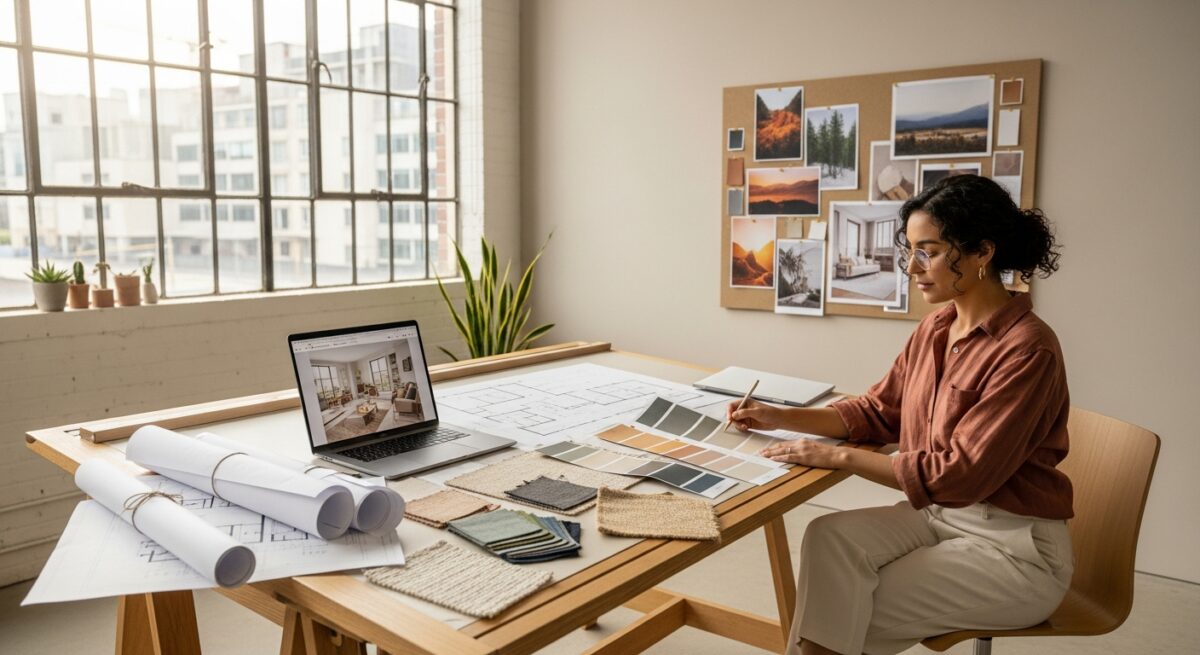
Another advantage is cost. Traditional on-campus programs often include room and board, commuting expenses, and campus fees. An interior design online program typically eliminates those overheads while still providing access to experienced instructors. Some courses even include a kit of physical samples such as fabric swatches and paint chips mailed to your home. This hybrid approach keeps the tactile experience alive while leveraging digital convenience.
What to Look for in Interior Design Courses Online
Not all online programs are created equal. When researching options, focus on three pillars: accreditation, curriculum depth, and career support.
Accreditation and Credibility
Accreditation ensures that a program meets industry standards. The Council for Interior Design Accreditation (CIDA) is the gold standard for degree programs. For shorter certificate programs, look for recognition from the National Kitchen and Bath Association (NKBA) or the American Society of Interior Designers (ASID). An accredited interior design certificate online carries more weight with employers and can be a stepping stone to licensure in states that regulate the profession.
Comprehensive Curriculum
A strong program covers design theory, color psychology, space planning, building codes, and materials. You should also learn industry-standard software such as AutoCAD, SketchUp, and Revit. The best interior design classes online include live or recorded demonstrations of these tools. Some courses offer a capstone project where you design a real or simulated space, which becomes a centerpiece of your portfolio.
Career Services and Portfolio Development
Look for programs that offer resume reviews, mock interviews, and a job board. Many top programs also provide portfolio reviews by practicing designers. Since your portfolio is your primary job-seeking tool, this support is invaluable. If you are considering a broader educational path to complement your design skills, you might explore what master’s programs are available online to see how a graduate degree could open leadership roles in design firms.
Types of Interior Design Online Programs
Understanding the different formats helps you match a program to your current education level and career timeline.
- Certificate Programs: Typically 6 to 12 months. Ideal for career changers or those wanting a focused skill set without a full degree. An interior design certificate online can be a quick way to test the waters.
- Associate Degrees: Two-year programs that cover foundational theory and software. Often transferable to a bachelor’s program.
- Bachelor’s Degrees: Four-year programs (or accelerated online versions). Required for licensure in some states and for high-end residential or commercial design roles.
- Master’s Degrees: For experienced designers seeking specialization in areas like sustainable design or healthcare interiors.
Each format has its own pace. Certificate programs are intensive and focused, while degree programs offer broader liberal arts education alongside design courses. Your choice should reflect whether you need immediate job readiness or long-term career growth.
Cost and Financial Aid Options
Tuition for online interior design programs varies widely. A certificate might cost between $2,000 and $6,000. Associate degrees range from $10,000 to $30,000 total, while bachelor’s programs can exceed $40,000. However, many schools offer payment plans, scholarships, and transfer credits for prior coursework. Federal financial aid is available for accredited degree programs. Some employers also offer tuition reimbursement if the skills align with your current role, such as in retail visual merchandising or real estate staging.
Before enrolling, verify that the school is eligible for federal student aid. You can check this on the Department of Education’s website. Also ask about hidden costs: software licenses, textbooks, and a physical supply kit can add $500 to $1,500 to the total. Reputable programs list these fees upfront.
Building Your Portfolio While Studying
A portfolio is more important than your transcript in the design world. During your interior design courses online, save every project file, mood board, and presentation. Ask instructors for feedback and revise pieces until they shine. Include before-and-after shots if you redesign a real room. Many programs include a portfolio course as the final module. Treat this class as your launchpad. A strong portfolio should show range: residential, commercial, and one specialty such as kitchen and bath design. Aim for 10 to 15 polished projects.
Consider starting a simple website or using a platform like Behance to display your work publicly. Share your progress on social media to network with other designers and potential clients. Some job listings require an online portfolio link, so having one ready before you graduate gives you a head start.
Licensing and Certification Requirements
Interior design is a regulated profession in some U.S. states and Canadian provinces. Licensing typically requires a CIDA-accredited degree, completion of the National Council for Interior Design Qualification (NCIDQ) exam, and documented work experience. An interior design certificate online alone may not meet the education requirement for licensure. If you plan to become a licensed interior designer, verify that your program is CIDA-accredited or articulates into one that is.
For unregulated states, certification through ASID or the International Interior Design Association (IIDA) can still boost credibility. Many employers prefer candidates who have passed the NCIDQ exam or hold an industry certification. Even if you never seek licensure, the knowledge gained from studying building codes and accessibility standards makes you a safer and more marketable designer.
How to Compare Programs Effectively
With hundreds of options, narrowing down the right fit requires a systematic approach. Start by listing your non-negotiables: accreditation, budget, and schedule flexibility. Then request syllabi from three to five programs. Compare the software taught, the number of design projects, and the instructor qualifications. Reach out to alumni via LinkedIn and ask about their job outcomes. A program that boasts high graduation rates but low job placement may not serve your goals.
Many schools offer a free trial lesson or a webinar. Attend one to gauge the teaching style and technology platform. Does the school use a robust learning management system? Are there live office hours? Is there a community forum? These details affect your daily experience. Finally, read the fine print on refund policies and transfer credit limits. A transparent school will answer these questions readily.
Frequently Asked Questions
Can I become an interior designer with only an online certificate?
Yes, for residential design and many commercial roles in unregulated states. However, licensure requires a degree from a CIDA-accredited program. A certificate is a strong starting point but may limit your career ceiling.
How long does it take to complete interior design classes online?
Certificates take 6 to 12 months. Associate degrees take 2 years. Bachelor’s degrees take 3 to 4 years in full-time study, though part-time options extend the timeline.
Do online interior design programs include hands-on projects?
Most do. You might create physical mood boards, sample boards, and even build scale models. Some programs mail supply kits. Digital projects include floor plans, elevations, and 3D renderings.
Is financial aid available for online interior design courses?
Yes, for accredited degree programs. Certificate programs may qualify for private loans or payment plans. Always check the school’s financial aid page.
Choosing the right educational path is a personal decision shaped by your budget, schedule, and career ambitions. The growing availability of interior design courses online means you no longer have to put your life on hold to pursue this creative field. Whether you aim for an interior design certificate online to start a side business or a full degree for corporate work, the key is to research thoroughly and commit to building a portfolio that reflects your unique vision. For additional resources on comparing program costs and finding accredited schools, visit CollegeAndTuition.com to explore tools that help you make informed financial decisions.
Start by requesting information from two or three programs that match your criteria. Attend a virtual open house. Speak with an admissions counselor. The interior design industry values talent and persistence more than the name of your school. With dedication and the right online program, you can transform your passion for beautiful spaces into a rewarding career.