For many aspiring students, the dream of an advanced degree is often sidelined by the realities of a full-time job, family commitments, or geographic limitations. Traditional campus-based programs demand a significant, often impossible, relocation or career pause. This is where the innovative model of low residency online programs emerges as a powerful solution. Blending the flexibility of digital learning with the invaluable connection of periodic in-person sessions, these programs are redefining accessibility in higher education. They offer a structured yet adaptable path for working professionals, career changers, and lifelong learners to earn respected credentials without upending their lives. This comprehensive guide explores the structure, benefits, and considerations of low residency degrees, providing a clear roadmap for anyone considering this transformative educational journey.
Understanding the Low Residency Model
The core principle of a low residency program is a hybrid approach. The majority of coursework, typically 80% to 90%, is completed asynchronously or synchronously through a robust online learning management system. Students engage with lectures, readings, discussions, and assignments from anywhere with an internet connection. The “low residency” component consists of short, intensive on-campus or site-based sessions, usually ranging from a few days to two weeks, that occur once or twice per semester or annually. These residencies are not optional add-ons, they are integral, credit-bearing parts of the curriculum designed to foster deep learning and community.
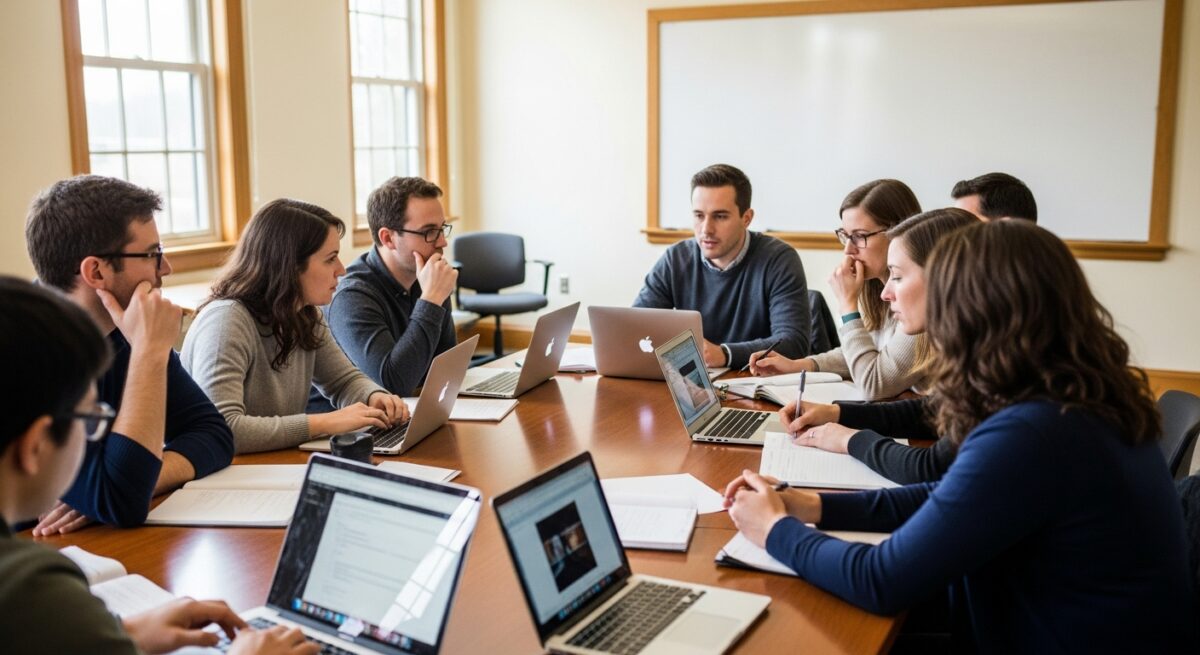
During these intensive sessions, students participate in workshops, seminars, lab work, presentations, and direct mentorship with faculty and peers. This face-to-face interaction allows for the kind of nuanced discussion, hands-on practice, and networking that can be challenging to replicate fully online. It’s particularly crucial for fields requiring practical skill development, such as clinical mental health counseling, fine arts, or hands-on sciences. The model effectively bridges the gap between the convenience of distance education and the relational, immersive quality of a traditional campus experience. For those researching various delivery methods, understanding how these online programs with low residency function is key to selecting the right fit.
Key Benefits for the Modern Learner
Choosing a low residency format offers a distinct set of advantages tailored to the needs of non-traditional students. The primary benefit is unparalleled flexibility. Learners can maintain their current employment, manage family responsibilities, and live in their preferred location without sacrificing educational quality. This flexibility often makes the financial burden of graduate school more manageable, as students do not lose their primary income stream. Furthermore, the cohort model commonly used in these programs creates a tight-knit learning community. You progress through the program with the same group of peers, building professional networks and support systems that often last well beyond graduation.
The intentional design of residencies accelerates learning and skill integration. Immersive, focused time away from daily distractions allows for rapid absorption of complex material and immediate application through simulations or critiques. This structure also provides direct access to faculty who are often leaders in their field, enabling mentorship and guidance that can shape a student’s research and career trajectory. Finally, these programs are frequently offered by well-established, accredited universities, meaning the degree you earn carries the same weight and recognition as its traditional counterpart. The strategic blend of online and in-person elements in low residency online programs creates a holistic and rigorous educational experience.
Ideal Candidates and Common Fields of Study
Low residency programs are not for everyone, but they are an exceptional fit for specific types of students. The ideal candidate is a self-motivated, disciplined individual with strong time-management skills. They are typically a working professional seeking career advancement or a pivot, a parent or caregiver needing schedule flexibility, or someone living in a remote area far from major universities. These learners value both autonomy and meaningful personal connection. They thrive in an environment where they can direct their own weekly study schedule but also benefit from concentrated, collaborative sessions.
This model is prevalent across a wide range of disciplines. It is especially prominent in:
- Creative Fields: Master of Fine Arts (MFA) degrees in writing, visual arts, and theatre often use low-residency models, where online critique is supplemented by intensive on-campus workshops and production.
- Healthcare and Counseling: Programs like Master of Social Work (MSW), Clinical Mental Health Counseling, and Nursing Leadership use residencies for clinical skill labs, simulation training, and supervised practice.
- Business and Leadership: Executive MBA (EMBA) and Doctor of Education (Ed.D.) in Leadership programs leverage residencies for high-level networking, case study intensives, and presentation coaching.
- Education: Advanced degrees for teachers and administrators incorporate residencies for collaborative curriculum design and leadership seminars.
When evaluating these options, prospective students should conduct thorough research on accreditation, residency requirements, and total cost. Resources for comparing tuition and understanding the full financial commitment are vital, and seeking accredited online degree info is a responsible step in the planning process.
Evaluating and Selecting the Right Program
With growing popularity, the number of low residency options has expanded. Making an informed choice requires careful evaluation of several factors beyond just the course list. First and foremost, verify institutional and programmatic accreditation. This ensures the quality of education and the acceptance of your degree by employers and licensing boards. Next, scrutinize the residency details. How long is each session? Where are they held? What is the estimated cost for travel, lodging, and meals during these periods? These are real expenses that must be factored into the total cost of the program.
Investigate the technological requirements and support. A strong program will have a user-friendly online platform and dedicated IT support for distance learners. Examine the faculty credentials. Are they actively engaged in their professions? What is the structure of student support, including academic advising, career services, and library access for remote students? Finally, talk to current students and alumni. Their firsthand experiences can provide invaluable insights into the program’s culture, workload, and outcomes. This due diligence is essential for finding online programs with low residency that align with your personal, professional, and financial goals.
Frequently Asked Questions
How are low residency programs different from fully online programs?
The key difference is the mandatory in-person component. Fully online programs are conducted 100% virtually, while low residency models require periodic physical attendance for intensive learning sessions, which are core to the curriculum.
Are low residency degrees respected by employers?
Yes, when earned from a properly accredited institution. The degree typically does not specify “low residency” on the diploma, it is identical to the degree awarded to on-campus students. The focus is on the accreditation and reputation of the granting university.
Can I work full-time while in a low residency program?
Absolutely. This is one of the primary advantages. The online coursework is designed for asynchronous completion around your schedule. You will need to arrange vacation or leave time for the required residency sessions, which are usually scheduled well in advance.
What is the typical time commitment for the online portion each week?
This varies by program and course load, but most graduate-level courses require 15-20 hours per week of reading, discussion, and assignment completion. Effective time management is crucial for success.
Are financial aid and scholarships available?
Yes, accredited low residency online programs qualify for federal financial aid. Many institutions also offer scholarships, grants, or employer partnership discounts specifically for their hybrid or professional studies students.
The landscape of higher education continues to evolve, and low residency online programs stand at the forefront of this change, offering a pragmatic and powerful model for achieving advanced degrees. By thoughtfully combining digital convenience with essential human connection, they remove traditional barriers and open doors for a diverse population of learners. For the motivated individual seeking to grow professionally and personally without pressing pause on life, this educational path provides a viable, rigorous, and rewarding route to success. The investment of time, energy, and resources into such a program is an investment in a more flexible and empowered future.