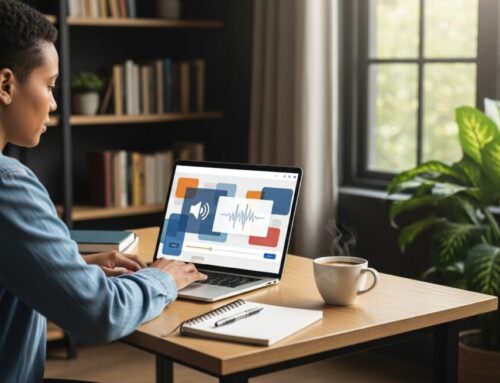
The landscape of higher education has been fundamentally reshaped by the proliferation of online degree programs from accredited universities. For working adults, career changers, and geographically constrained learners, this evolution represents more than just convenience, it represents access. Earning a legitimate degree from a respected institution is no longer tethered to a physical campus, opening doors for millions who seek advancement without pressing pause on their lives. However, with this opportunity comes a critical need for discernment. The digital education marketplace is vast, and understanding how to identify truly valuable, credible programs is the essential first step toward achieving your academic and professional goals.
The Paramount Importance of Accreditation
When evaluating online degree programs, accreditation is the non-negotiable foundation of quality and legitimacy. It is the process by which an independent agency evaluates a college or university’s educational programs against established standards of excellence. Accreditation serves as a public guarantee that an institution meets or exceeds minimum quality benchmarks. For students, this translates into several concrete protections and benefits. Firstly, only credits and degrees from regionally accredited institutions are widely accepted for transfer to other schools and are recognized by employers and professional licensing boards. Secondly, federal financial aid, including grants and loans, is exclusively available to students enrolled in accredited programs. Finally, accreditation ensures a baseline level of academic rigor, qualified faculty, and adequate student support services.
In the United States, regional accreditation is the gold standard for academic institutions. The six regional accrediting bodies, such as the Higher Learning Commission (HLC) or the Southern Association of Colleges and Schools Commission on Colleges (SACSCOC), evaluate entire institutions. There is also national accreditation, typically granted to career-focused or vocational schools, but regional accreditation is generally more widely accepted and carries greater prestige. When researching, always verify the accrediting body directly through the Council for Higher Education Accreditation (CHEA) or the U.S. Department of Education database, as some unaccredited entities use misleading names.
Structures and Formats of Online Learning
Not all online degree programs are created equal in their delivery. Understanding the different formats is key to finding one that aligns with your learning style and schedule. The primary models are asynchronous, synchronous, and hybrid. Asynchronous programs offer the greatest flexibility. Course materials, lectures, assignments, and discussion forums are accessible 24/7 through a learning management system (LMS) like Canvas or Blackboard. You complete work according to weekly deadlines but can log in at any hour. This model is ideal for those with irregular work hours, family commitments, or in different time zones.
Synchronous programs, in contrast, require live online attendance at scheduled times. Classes are held via video conferencing platforms, mimicking a traditional classroom experience in a virtual setting. This format fosters real-time interaction with professors and peers and provides more structured accountability. The hybrid or blended model combines online coursework with occasional in-person requirements, such as weekend residencies, lab sessions, or orientation workshops. This can be appealing for programs in fields like nursing, counseling, or certain sciences where hands-on practice is essential. When choosing a format, honestly assess your self-discipline, need for interaction, and weekly time constraints.
Selecting the Right Program and University
Choosing an online degree program is a significant investment of time, money, and effort. A methodical approach will help you find the best fit. Begin by clearly defining your objective. Are you seeking a degree for a specific career promotion, a complete career change, or personal enrichment? Your goal will dictate the necessary level (bachelor’s, master’s, doctorate) and field of study. Next, research universities that offer your desired program. Look beyond the marketing and investigate the specifics. Examine the full curriculum, course descriptions, and learning outcomes. Who are the faculty? Do they possess both academic credentials and real-world experience in the field?
Critically assess the student support services tailored for online learners. A robust program should offer dedicated technical support, an online library, academic advising, career services, and tutoring. The availability of these resources is a strong indicator of an institution’s commitment to its remote students. Furthermore, investigate the program’s reputation within the industry. Does it hold any specialized programmatic accreditation relevant to the field, such as ABET for engineering or AACSB for business? This can be a major advantage. Finally, consider the total cost, including tuition, fees, and materials, and explore financial aid options. A strategic approach to selecting affordable online degrees can prevent unnecessary debt while maximizing the return on your educational investment.
To make a truly informed decision, prospective students should leverage comprehensive resources. For independent, detailed comparisons of programs and institutions, seeking expert online degree guidance can provide clarity and direction in a complex landscape.
The Practical Benefits for Adult Learners
Online degree programs from accredited universities are uniquely suited to address the challenges and leverage the strengths of adult learners. The most cited advantage is flexibility. The ability to access coursework around professional and personal obligations removes the single largest barrier to returning to school. This flexibility also enables geographical independence, allowing you to attend a top program across the country without relocating. For career-focused individuals, many online programs are designed with immediate applicability in mind, allowing you to implement new knowledge and skills in your current job the very next day.
Furthermore, the online environment can foster a rich, diverse learning community. Your virtual classmates may be professionals from across the globe, bringing a wealth of perspectives and experiences into discussion forums that can rival, and sometimes surpass, the diversity found in a physical classroom. This network becomes a valuable professional resource. The mode of learning also cultivates essential 21st-century skills, such as digital literacy, self-motivation, time management, and written communication, all of which are highly valued in today’s workplace.
Addressing Common Concerns and Misconceptions
Despite their growth and acceptance, lingering doubts about online degrees persist. One major concern is employer perception. The reality has shifted dramatically. A degree from a well-known, regionally accredited university typically does not specify “online” on the diploma. More importantly, as major public and private universities have launched their own online divisions, the stigma has largely evaporated. Employers now prioritize the accreditation of the institution and the relevance of the skills acquired. Another concern involves the lack of interaction. Quality online programs are built on interaction, not isolation. Through video conferences, collaborative projects, lively discussion boards, and virtual office hours, students often report more consistent and thoughtful engagement with instructors and peers than in large lecture halls.
Some worry about the self-discipline required. This is a valid consideration. Success in an online program demands proactive organization and time management. However, universities provide tools like structured syllabi, weekly modules, and progress dashboards to help students stay on track. The key is for the student to honestly assess their own readiness for this responsibility. Finally, the misconception that online degrees are easier is false. Accredited online university degrees maintain the same learning outcomes, grading standards, and academic integrity policies as their on-campus counterparts. The work is equally challenging, merely delivered through a different medium.
Frequently Asked Questions
Are online degrees from accredited universities respected by employers?
Yes, overwhelmingly so. The critical factor is accreditation from a recognized regional agency. Employers understand and value degrees from established universities that offer online programs. The focus is on the skills and knowledge you gain, not the delivery method.
How do I verify a school’s accreditation?
Do not rely solely on the school’s website. Verify accreditation directly through the U.S. Department of Education’s Database of Accredited Postsecondary Institutions and Programs (DAPIP) or the Council for Higher Education Accreditation (CHEA) website.
Can I transfer credits from an online program to another school?
Credits from a regionally accredited online program are generally transferable, subject to the receiving institution’s specific policies. Credits from nationally accredited schools may not transfer to regionally accredited institutions. Always check transfer policies in advance.
What technology do I need for an online degree program?
Typically, you will need a reliable, up-to-date computer (PC or Mac), high-speed internet access, a webcam, a microphone, and basic software like a word processor. Specific requirements will be outlined by the university.
How much time should I expect to spend on coursework each week?
A common guideline is that for each credit hour, you should expect 3-4 hours of work per week (including lecture time, reading, assignments, and discussions). Therefore, a standard 3-credit course may require 9-12 hours of work weekly.
The decision to pursue an online degree is a powerful step toward personal and professional transformation. By prioritizing accreditation, carefully researching program structures, and aligning your choice with your career objectives, you can confidently navigate the vast array of options. The path to advancement is no longer linear or location-bound. With dedication and the right program, the opportunity to earn a meaningful credential from an accredited university is authentically within reach, offering a flexible, respected pathway to achieving your ambitions.