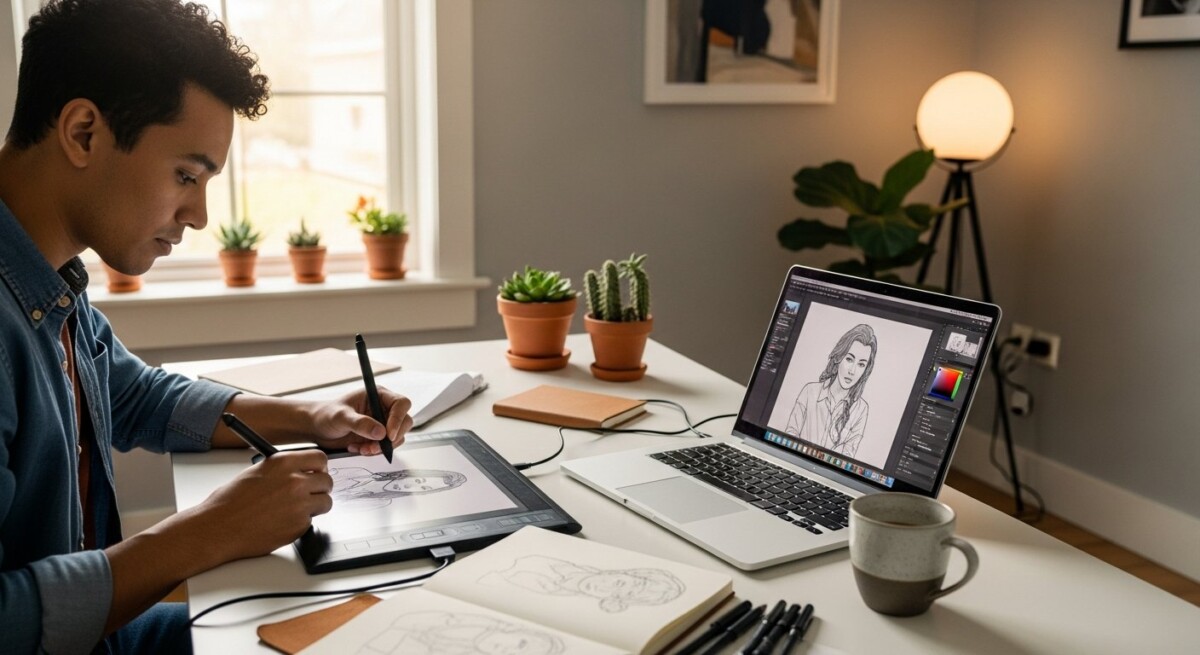
For decades, the pursuit of an arts degree was synonymous with attending a physical campus, navigating rigid studio schedules, and often relocating to a specific creative hub. This traditional model presented significant barriers for working adults, caregivers, and those living outside major metropolitan areas. Today, the landscape of creative education has been fundamentally transformed. Online arts degree programs have emerged as a legitimate, rigorous, and highly flexible alternative, democratizing access to artistic training and empowering a new generation of creatives to build their skills and credentials on their own terms. These programs are not a diluted version of their on-campus counterparts, but rather a reimagined educational experience designed for the digital age, blending foundational theory with practical, portfolio-building projects that can be completed from anywhere in the world.
Understanding the Scope and Value of an Online Arts Degree
The term “arts” in an academic context encompasses a vast and diverse field far beyond just painting or sculpture. Modern online arts degree programs cover disciplines ranging from the traditional fine arts to applied and commercial arts. This includes graphic design, digital media, animation, photography, art history, art education, and even arts administration. The core value of these degrees lies in their ability to develop both technical proficiency and critical thinking. Students learn not only how to use industry-standard software or master a specific technique but also how to conceptualize ideas, critique work, understand historical and cultural contexts, and communicate their artistic vision effectively. This combination of hard and soft skills is what makes arts graduates highly adaptable and valuable in a job market that increasingly prizes creativity and innovation.
One common misconception is that online programs cannot effectively teach the hands-on, tactile elements of art. Accredited institutions have innovated to overcome this challenge. Programs utilize high-quality video demonstrations, virtual studio tours, kit-based learning where materials are shipped to students, and detailed project guidelines that can be executed in a home studio. Feedback is provided through digital portfolios, video critiques, and one-on-one virtual meetings with instructors who are often practicing artists themselves. The digital format, in many ways, prepares students for the contemporary creative workplace, where remote collaboration, digital asset creation, and online presentation are standard practices.
Key Benefits of Pursuing Your Arts Degree Online
Choosing an online pathway for an arts education offers a distinct set of advantages that align perfectly with the needs of non-traditional students and the realities of modern life. The most prominent benefit is unparalleled flexibility. Students can access lectures, course materials, and assignments on their own schedule, allowing them to balance studies with full-time employment, family responsibilities, or other commitments. This asynchronous learning model removes geographical constraints, enabling learners to enroll in top programs regardless of their location, without incurring relocation costs.
Furthermore, online arts degree programs often foster a unique and diverse learning community. Classrooms bring together students from across the country or even the globe, offering a wider range of perspectives and cultural influences than might be found in a single physical location. This environment can be incredibly enriching for creative development. The format also encourages self-discipline and time management, skills that are directly transferable to a freelance or independent artistic career. From a financial perspective, while tuition rates vary, online students typically save on significant ancillary costs like commuting, campus housing, and certain facility fees.
Before enrolling, it is crucial to consider a few key factors to ensure a program is the right fit. Prospective students should evaluate their own learning style, their need for structure, and their access to a reliable internet connection and necessary technology. Researching a program’s specific requirements for software, equipment, and physical space for projects is an essential first step.
Selecting the Right Accredited Online Arts Program
The single most critical factor in choosing an online arts degree is accreditation. Regional accreditation ensures that the institution meets high standards of educational quality and that your degree will be recognized by employers, other universities, and certification bodies. Within the arts, you may also encounter programmatic accreditation from bodies like the National Association of Schools of Art and Design (NASAD), which signals a specialized standard of excellence in the curriculum and faculty.
Beyond accreditation, a thorough evaluation should include the following components. First, scrutinize the curriculum. Does it offer a balance of foundational art theory, technical skills, and liberal arts education? Are the courses project-based and portfolio-focused? Second, investigate the faculty. Are instructors credentialed and, importantly, are they actively engaged in the professional art world? Third, examine the technology and student support. What learning management system is used? What technical support is available? Is there access to online libraries, digital software licenses, and career services? Fourth, review the admissions requirements, which for arts programs often include a portfolio submission even at the undergraduate level.
For those seeking to complete their education quickly, exploring accelerated online degree formats can be an excellent strategy. These programs, often utilizing competency-based models or condensed terms, allow motivated students to progress at a faster pace. Finally, understanding the total cost and exploring financial aid options is paramount. Many students utilize federal aid, scholarships, and payment plans. For comprehensive information on funding your education, a valuable resource to explore is degree programs online, which provides guidance on educational scholarship programs and financial planning.
Career Paths and Outcomes for Arts Graduates
An online arts degree is far from a one-way ticket to a stereotypical “starving artist” narrative. It is a versatile credential that opens doors to a multitude of professional paths. The digital skills and creative problem-solving abilities cultivated in these programs are in high demand across numerous industries. Graduates find success not only as independent fine artists but also in robust commercial and organizational roles.
Common career trajectories include roles in design (graphic, web, UX/UI), multimedia art and animation, art direction, photography, museum and gallery curation, arts education, and creative marketing. The rise of the gig economy and remote work has also been a boon for arts graduates, who are well-positioned to thrive as freelancers or independent contractors. Building a strong professional portfolio during your studies is the key to unlocking these opportunities. A degree provides the foundational knowledge and credential, but your portfolio is your most powerful tool for demonstrating capability to potential employers or clients.
The practical skills learned in a focused program, such as an online web development degree, can perfectly complement a broader arts education, making a graduate exceptionally marketable. Many arts professionals successfully combine multiple skill sets, such as visual design with front-end development or animation with storytelling, to create unique and valuable career niches.
Frequently Asked Questions About Online Arts Degrees
Can I really learn hands-on art skills effectively online?
Yes. Reputable programs are designed with this challenge in mind. They use detailed video tutorials, provide clear project specifications, and often require students to create physical work that is then documented and submitted digitally for critique. The feedback loop with instructors remains active and personalized.
Do employers respect online arts degrees?
Employers primarily respect degrees from accredited institutions. As online education has become mainstream, the stigma has largely disappeared, especially when the graduate can present a strong, professional portfolio that demonstrates their skills. The accreditation status of the school is far more important than the delivery method.
What technology do I need to succeed?
Requirements vary by program, but typically you will need a reliable computer with sufficient processing power and memory, a high-speed internet connection, a quality webcam and microphone for interactions, and specific software (like the Adobe Creative Cloud). Some programs may also require a digital camera, scanner, or drawing tablet.
How do critiques and collaboration work in an online setting?
Critiques are conducted through discussion forums, video conferencing platforms, and portfolio review tools. Students upload their work, and peers and instructors provide written or video feedback. Collaboration happens through shared cloud documents, communication apps like Slack or Teams, and virtual meeting spaces for project planning.
Are there any on-campus requirements?
Most fully online programs have no required campus visits. However, some programs, particularly at the graduate level, may offer optional intensives or residencies. It is essential to check the program structure before enrolling if you require a 100% remote experience.
The decision to pursue an online arts degree is an investment in developing your unique creative voice within a structured, supportive, and modern educational framework. It represents a commitment to turning passion into practice and building a sustainable career grounded in artistic skill and intellectual rigor. By carefully selecting an accredited program that aligns with your personal goals and learning style, you can gain the knowledge, credentials, and portfolio necessary to navigate and succeed in the expansive and evolving world of creative professions. The canvas is digital, the studio is your own, and the opportunity to craft your future in the arts has never been more accessible.