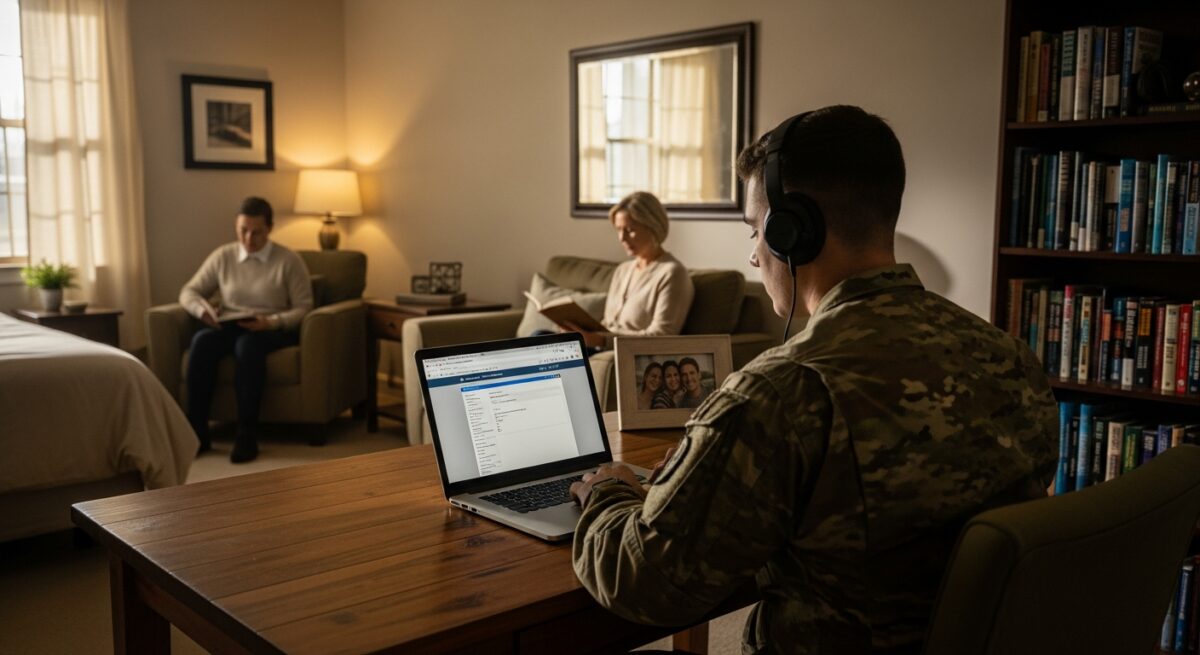
For active-duty service members, veterans, and military spouses, pursuing higher education while managing the demands of military life can feel overwhelming. Balancing deployments, frequent relocations, and family responsibilities often makes traditional on-campus programs impractical. This is where online colleges for military students and education benefits become a powerful solution. These programs are designed specifically to accommodate a military lifestyle, offering flexibility, financial support through tuition assistance and the GI Bill, and a pathway to career advancement without sacrificing service commitments. Understanding how to navigate these options is essential for maximizing the opportunities available to you and your family.
Why Online Colleges Are a Smart Fit for Military Students
Online education has evolved significantly, and military-friendly online colleges have led the charge in creating accessible, high-quality degree programs. The primary advantage is flexibility. Unlike fixed-schedule campus courses, online programs allow you to log in from anywhere with an internet connection, whether you are stationed overseas, on a domestic base, or transitioning to civilian life. This asynchronous learning model means you can study during off-duty hours, after your children are asleep, or during a deployment break.
Another significant benefit is the ability to maintain educational continuity. Military life is unpredictable; you might receive orders to move with little notice. With a traditional college, this could mean losing credits, restarting a program, or facing a long pause in your education. Accredited online programs, however, allow you to take your courses with you. Many institutions have policies that accommodate sudden deployments or training exercises, offering extensions or late drops without penalty. This stability is invaluable for service members who need a reliable educational path that adapts to their service.
Furthermore, many online colleges have dedicated support teams for military students. These teams understand the unique challenges you face, from navigating the Department of Veterans Affairs (VA) bureaucracy to managing the stress of military life. They can help you apply for benefits, transfer credits from military training (such as Joint Services Transcripts), and connect you with peer mentors who have walked the same path. This wraparound support can make the difference between starting a degree and finishing one.
Understanding Your Military Education Benefits
Before choosing a program, it is critical to understand the financial resources available to you. Military education benefits are among the most generous in the nation, but they come with specific rules. The most well-known benefit is the Post-9/11 GI Bill (Chapter 33), which can cover full in-state tuition and fees at public institutions or a set maximum at private or foreign schools. It also provides a monthly housing allowance (MHA) and a stipend for books and supplies. Eligibility is based on your length of active duty service after September 10, 2001.
For active-duty members, Tuition Assistance (TA) is a vital program. Each branch of the military (Army, Navy, Air Force, Marines, Coast Guard) offers TA to cover up to 100% of tuition expenses for courses taken during off-duty time, with annual and per-credit-hour caps. Many online colleges also offer a Tuition Assistance Top-Up program, which covers any remaining balance after TA is applied, potentially reducing your out-of-pocket costs to zero.
Additional benefits include the Yellow Ribbon Program, which helps cover tuition costs that exceed the GI Bill cap at private schools or out-of-state public schools. Schools that participate in Yellow Ribbon agree to fund a portion of the gap, and the VA matches that amount. For military spouses, the MyCAA (Military Spouse Career Advancement Accounts) program provides up to $4,000 in financial assistance for licenses, certifications, or associate degrees in portable career fields. Finally, the Veterans Educational Assistance Program (VEAP, Chapter 32) is available for those who contributed to the program while on active duty before 1985.
What Makes a College Truly Military-Friendly?
Not all online colleges are created equal when it comes to serving military students. A truly military-friendly online college goes beyond simply accepting the GI Bill. It integrates military support into its core operations. Key characteristics to look for include:
- Priority Registration: Military students should get early access to course registration to ensure they can enroll in required classes before they fill up.
- Credit for Military Experience: The best programs evaluate your Joint Services Transcript (JST), Community College of the Air Force (CCAF) transcript, and military occupational specialty (MOS) to award college credit for your training and experience. This can shave semesters off your degree.
- Dedicated Military Advisors: A single point of contact who understands VA benefits, TA, and deployment policies is essential. They should help you with everything from enrollment to graduation.
- Flexible Residency Policies: Many military-friendly schools offer in-state tuition rates to all active-duty members and their families, regardless of their home state of record.
- Robust Student Support: Look for services like 24/7 technical support, online tutoring, career counseling, and a strong alumni network that includes veterans.
When researching schools, check if they are listed on the VA’s GI Bill Comparison Tool or if they have signed the Department of Defense Memorandum of Understanding (MOU) for TA. These designations indicate the school has committed to ethical recruiting and proper benefits administration. You can also look for recognition from organizations like Military Times (Best for Vets) or Victory Media (Military Friendly Schools).
Steps to Enroll in an Online Degree Program
Getting started with veteran online education requires a methodical approach to ensure you maximize your benefits and choose the right path. Follow these steps to navigate the process successfully:
- Assess Your Goals and Eligibility: Determine your career objectives and which degree (associate, bachelor’s, master’s, or certificate) aligns with your goals. Then, check your GI Bill eligibility on the VA’s eBenefits portal or by calling 1-888-GIBILL-1. If you are active duty, verify your TA eligibility with your base Education Office.
- Research and Compare Programs: Use online resources to compare online colleges for military students. Focus on accreditation (regional accreditation is the gold standard), program reputation, cost after benefits, and support services. Create a shortlist of 3-5 schools that match your criteria.
- Apply for Admission and Benefits: Complete the application process for your chosen schools. Once accepted, work with the school’s military certifying official to submit your VA Form 22-1990 (for first-time GI Bill users) or request TA through your branch’s portal. The school will certify your enrollment to the VA.
- Review Your Finances: After your benefits are applied, review the remaining balance. Some schools offer military scholarships or grants to cover any gaps. Avoid taking on unnecessary student loan debt if possible.
- Create a Study Schedule: Online learning requires discipline. Set aside specific times each week for coursework, communicate with your instructors about your military obligations, and use the school’s support systems when you struggle.
By following these steps, you can transition smoothly into an online program that respects your time and service while moving you closer to your career goals. Remember that many schools offer rolling admissions, so you can start at several points throughout the year rather than waiting for a traditional fall semester.

Overcoming Common Challenges
While online education offers flexibility, it is not without challenges. One common issue is the feeling of isolation. Without a physical classroom, it can be hard to connect with peers and instructors. To combat this, actively participate in discussion boards, join virtual study groups, and use the school’s networking platforms. Many military-friendly programs have dedicated veteran student organizations that host online social events and provide peer support.
Another challenge is balancing school with military duties and family life. Deployments, long shifts, and frequent moves can disrupt your study rhythm. To manage this, communicate proactively with your instructors and academic advisor. Most are willing to work with you if you notify them early about an upcoming field exercise or deployment. Also, use time management techniques like the Pomodoro method or blocking out specific study hours on your calendar. Finally, do not hesitate to take a break if needed. The GI Bill has a 12-month delimiting date (for Post-9/11), but you can use it over 15 years, so you do not have to rush.
Frequently Asked Questions
Can I use my GI Bill while on active duty?
Yes, you can use the Post-9/11 GI Bill while on active duty, but there are some important restrictions. You will not receive the Monthly Housing Allowance (MHA) while on active duty, as you are already receiving BAH or are in the barracks. However, the tuition and fees portion will still be paid. Many active-duty members prefer to use Tuition Assistance first and save their GI Bill for later or for a spouse or child.
How do I transfer my GI Bill to a spouse or child?
To transfer your Post-9/11 GI Bill benefits to a dependent, you must have at least 6 years of service and agree to serve an additional 4 years. The transfer is initiated through the milConnect website. Once approved, your dependent can apply to use the benefits. Note that this transfer is irrevocable for the service member.
What is the difference between the Montgomery GI Bill and the Post-9/11 GI Bill?
The Montgomery GI Bill (MGIB, Chapter 30) requires you to pay $100 per month for your first 12 months of active duty to enroll. It pays a fixed monthly benefit directly to you, which you then use to pay for school. The Post-9/11 GI Bill (Chapter 33) does not require a buy-in and pays tuition directly to the school, plus provides an MHA and book stipend. For most veterans who served after 9/11, the Post-9/11 GI Bill is more generous and easier to use.
Are online degrees respected by employers?
Yes, as long as the degree is from a regionally accredited institution. Many employers today view online degrees from reputable universities as equivalent to on-campus degrees. The key is the school’s name and accreditation, not the delivery method. In fact, for military students, an online degree often demonstrates self-discipline and time management skills, which are highly valued by employers.
How do I find out if a school is approved for VA benefits?
You can use the VA’s GI Bill Comparison Tool on the VA website. Simply enter the school’s name, and it will show you whether they are approved, their Yellow Ribbon participation, the percentage of students using the GI Bill, and other key metrics. You can also call the VA at 1-888-GIBILL-1.
For a broader understanding of how online education works and what to expect from degree programs, you can read our guide on how online colleges work which covers accreditation, delivery formats, and student support systems.
In summary, the landscape of online colleges for military students and education benefits offers a robust, flexible, and financially supported path to achieving your academic and career goals. By carefully selecting a military-friendly institution that maximizes your benefits and provides strong support, you can earn a respected degree while fulfilling your service obligations. Whether you are active duty, a veteran, or a military spouse, the opportunity to advance your education has never been more accessible. Take the first step by exploring your benefits and connecting with schools that value your service. Your future self will thank you for the investment. Learn more