Imagine preparing for a final exam not by cramming facts into short-term memory, but by strategically organizing your notes, understanding core concepts, and knowing exactly where to find the information you need to solve complex problems. This is the reality for students at online colleges with open book exams, an assessment model that is reshaping distance education. For working adults, career changers, and anyone seeking a more practical and less stressful path to a degree, this approach aligns perfectly with the flexibility promised by online learning. It moves the focus from rote memorization to applied knowledge, testing a student’s ability to use resources, think critically, and synthesize information, skills that are directly transferable to the modern workplace. If the traditional high-pressure, closed-book test has been a barrier to your educational goals, understanding how open-book exams work and where to find programs that utilize them could be the key to your academic success.
What Are Open Book Exams in Online Education?
An open-book exam is an assessment where students are permitted to consult approved resources during the test. However, it is a profound misconception that this makes the exam easy. In fact, open-book exams are often more challenging and thoughtfully designed than their closed-book counterparts. The difficulty shifts from “What is the definition?” to “How do you apply this principle to a novel scenario?” or “Analyze this case study using the frameworks from Chapter 5.” Professors design questions that require analysis, evaluation, and creation, tasks that cannot be completed by simply copying text from a textbook. The exam tests your mastery of the material and your ability to navigate it efficiently under time constraints.
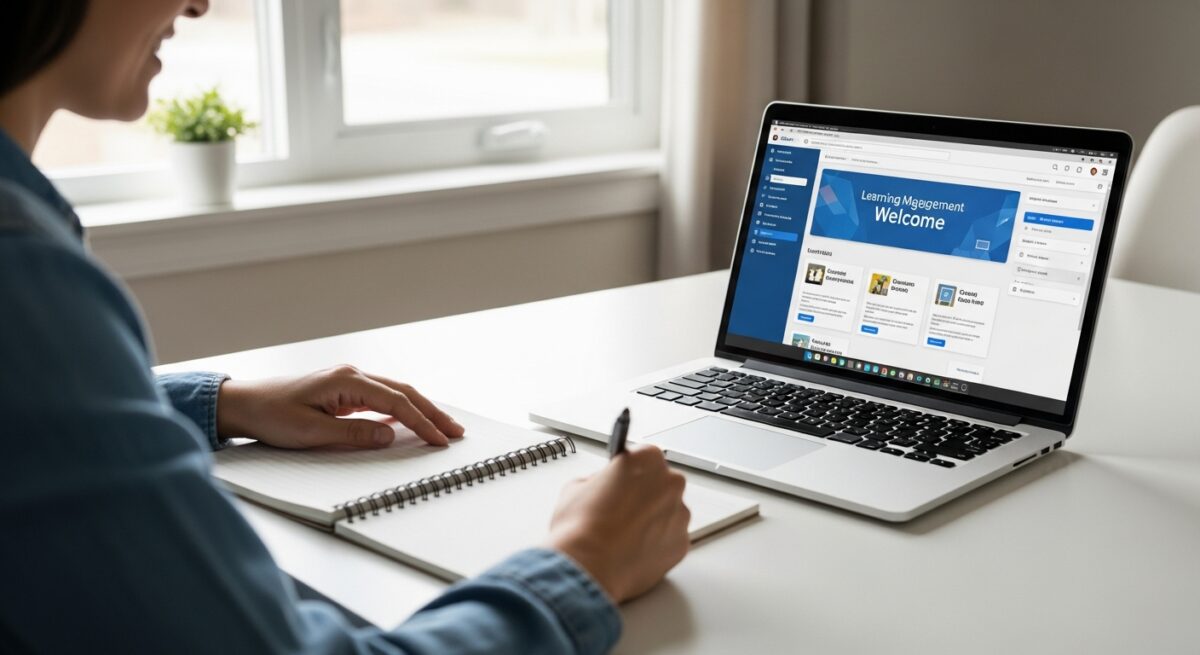
In the context of online colleges, open-book exams are typically administered through a secure learning management system (LMS) like Canvas or Blackboard. You may be required to use proctoring software that monitors your activity, but you are allowed to have digital textbooks, your own notes, or specific course documents open in other browser windows or on your desk. The fundamental goal is authenticity: this style of assessment mirrors real-world professional situations where you are expected to find information, apply guidelines, and make informed decisions, not operate from memory alone. For many adult learners, this feels more relevant and respectful of their experience.
The Benefits and Challenges of Open Book Assessment
Choosing a program that features open-book exams comes with significant advantages, particularly for the non-traditional student. The most immediate benefit is reduced test anxiety. The fear of forgetting a key formula or date is diminished, allowing you to focus your mental energy on understanding and application rather than recall. This model also promotes deeper learning throughout the course. Since you know you can reference materials, your study habits evolve from memorizing facts to creating well-organized notes, concept maps, and summaries that you can use effectively during the exam. This process inherently fosters a better grasp of the subject matter.
Furthermore, open-book exams assess higher-order thinking skills. They evaluate your ability to sift through information, identify what is relevant, and construct a reasoned argument or solution. This is a direct reflection of competency-based education principles, where proving you can do something is more important than proving you remember it. However, these exams present distinct challenges. The primary pitfall is poor time management. Students who assume the exam will be easy often fail to prepare adequately and then waste precious time during the test flipping through disorganized materials. Success requires meticulous preparation: you must know your resources so well that you can locate information swiftly. The questions are also crafted to prevent “copy-paste” answers, demanding synthesis and original thought.
Finding Online Colleges That Utilize Open Book Exams
Open-book exams are not universally used by all online colleges, but they are a common feature in several educational models known for flexibility and innovation. They are particularly prevalent in competency-based education (CBE) programs and at institutions designed for working adults. When researching online colleges with open book exams, your investigation should go beyond a simple keyword search. Start by exploring the assessment descriptions within course syllabi, which are sometimes available on program websites. Look for phrases like “resource-based assessment,” “applied knowledge exam,” or direct mentions of allowed materials during tests.
Another effective strategy is to target institutions with a stated philosophy of practical, real-world learning. These schools often design their assessments to mirror professional tasks. You can also contact admissions advisors directly and ask specific questions about assessment methods in your intended major. For example, “Can you describe the typical format for exams in the business core courses? Are students permitted to use course materials during assessments?” This direct approach often yields the clearest information. It is also worth exploring resources that focus on accessible online colleges for all students, as these programs frequently employ flexible assessment strategies, including open-book formats, to accommodate diverse learners.
Strategies for Excelling in Open Book Exams
Success in an open-book exam is not guaranteed by the open book itself, it is guaranteed by strategic preparation. Your first step is to create a personalized, highly organized reference system. This is far more valuable than a pile of textbooks. Develop a comprehensive index of key topics, formulas, and case studies with precise page numbers or digital bookmarks. Annotate your textbooks and compile a master set of notes that synthesize lecture content, readings, and discussion points. Use tabs, color-coding, and clear headings so you can find information in seconds, not minutes.
Next, you must practice under simulated exam conditions. Find practice problems or create your own and work through them using only your prepared reference materials while timing yourself. This will reveal gaps in your notes and improve your retrieval speed. During the exam, manage your time with military precision. Skim the entire test first, answer questions you know immediately, and flag complex ones for later. For every question, carefully analyze what is being asked. Identify the core concept and then strategically search your materials for the relevant framework or data. Your answer should demonstrate application, not replication. Remember, the goal is to show you can use knowledge, not just locate it. For comprehensive online degree guidance on selecting programs and preparing for success, dedicated resources can provide invaluable support throughout your educational journey.
Frequently Asked Questions
Are open-book exams easier than closed-book exams?
No, they are typically not easier. They are different. While they reduce memorization pressure, they demand stronger analytical skills, better organization, and superior time management. The questions are designed to test deep understanding and application, making simple look-up insufficient for a high grade.
Can I use any resource I want during an online open-book exam?
Not always. The professor will specify allowed resources, which may include the textbook, your personal notes, and specific course documents. Using unauthorized resources like search engines, course forums, or communication with others is almost always prohibited and considered academic dishonesty.
Do I still need to study for an open-book exam?
Absolutely. In fact, you may need to study more strategically and deeply. Your study session focuses on organizing information, understanding relationships between concepts, and practicing application. Walking into an open-book exam unprepared is a sure path to failure due to time constraints.
What subjects are best suited for open-book exams?
They are highly effective in subjects requiring application of laws, formulas, or frameworks, such as law, engineering, business, nursing, and social sciences. They are less common in fields where foundational recall is essential, like foundational language learning or certain medical procedures, though they can still be used for case-based assessments.
How do proctors prevent cheating in online open-book exams?
Proctoring software monitors your screen activity, uses your webcam to ensure no one is assisting you, and may lock down your browser to prevent internet searches. The exam questions are also crafted to be “cheat-proof,” requiring personalized analysis that cannot be copied from a source.
The landscape of online education continues to evolve toward more authentic and flexible assessment models. Online colleges with open book exams represent a significant step in that evolution, prioritizing practical skill and applied knowledge over simple recall. For the self-directed, working professional, this format can transform the educational experience from a stressful exercise in memorization to a engaging process of true competency development. By choosing a program that aligns with this philosophy and mastering the strategies for success, you can earn a respected credential while building the very skills that employers value most: critical thinking, resourcefulness, and the ability to perform under real-world conditions.