You’ve decided to pursue an online degree, valuing the flexibility and accessibility it offers. But then you encounter a common, and often anxiety-inducing, requirement: the proctored exam. For many prospective students, the idea of being monitored during a test from their own home can feel intrusive and raise questions about the legitimacy and rigor of their chosen program. However, proctored exams are not a barrier to be feared, but rather a cornerstone of academic integrity in digital education. They serve a critical purpose, ensuring that the credential you earn is respected by employers and institutions alike. Understanding how these exams work, why they are used, and how to successfully navigate them is essential for any student considering or enrolled in an online degree program.
The Purpose and Importance of Proctored Exams
At its core, a proctored exam is an assessment supervised by an authorized individual or technology to verify the identity of the test-taker and ensure the exam’s security. In the context of online degrees with proctored exams, this process is the digital equivalent of taking a final in a physical classroom with an instructor present. The primary driver for their implementation is accreditation. Regional and programmatic accrediting bodies mandate that institutions demonstrate they can reliably assess student learning outcomes. Proctoring provides the evidence that the person enrolled in the course is the same person completing the major assessments, thereby upholding the value of the degree.
This validation translates directly to market credibility. A degree from a program with rigorous, proctored assessments carries more weight with employers, graduate schools, and licensing boards. It signals that the graduate possesses the verified knowledge and skills the credential claims. Without this layer of security, the integrity of online education could be questioned, potentially devaluing the hard work of all students. Therefore, proctored exams are not an arbitrary hurdle, but a necessary component that bridges the flexibility of online learning with the steadfast standards of higher education. They protect the investment of time, money, and effort that students make in their education.
How Online Proctoring Works: Methods and Technology
The landscape of online proctoring has evolved significantly from its early, cumbersome days. Today, institutions employ a variety of methods to balance security, student convenience, and cost. The most common form is automated, or AI-based, proctoring. In this system, software on the student’s computer uses the webcam, microphone, and screen-sharing to monitor the exam session. The AI algorithm flags potential incidents, such as the student looking away from the screen for too long, detecting a second person in the room, or hearing unauthorized voices. A human proctor typically reviews these flagged sessions later to make a final determination.
Live online proctoring offers a more direct human interaction. Here, a certified proctor observes the student in real-time via webcam throughout the entire exam. They can communicate with the student, ask to scan the room with the camera, and address any technical issues immediately. This method provides the highest level of security but can be more expensive and require scheduling an appointment. A third, less common option is the use of a physical testing center, where students go to a certified location (like a library or community college) to take their exam under in-person supervision. This method is often used for very high-stakes exams but is less aligned with the “anywhere” flexibility of most online degrees.
Regardless of the method, the typical process for a student involves several key steps. First, they must often download and install secure proctoring software or a browser extension. Before the exam, they will go through an identity verification process, which usually involves showing a government-issued or student ID to the camera. The proctor or software will then guide them through a room scan, where they use their webcam to show their immediate workspace, including the desk surface, computer monitor, and surrounding area. Once cleared, the exam begins, with monitoring active throughout.
Preparing for and Succeeding in a Proctored Exam Environment
Success in a proctored exam is as much about preparation and environment as it is about knowing the course material. The first and most critical step is a thorough technical check. Well before your exam date, ensure your computer, webcam, microphone, and internet connection meet the software’s requirements. Perform any required system tests and updates. A stable, high-speed internet connection is non-negotiable, as a dropout during a proctored session can invalidate your exam. Close all unnecessary applications and browser tabs on your computer to prevent software conflicts and to demonstrate a clean testing environment.
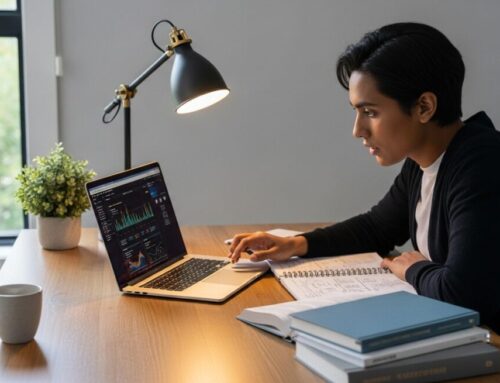
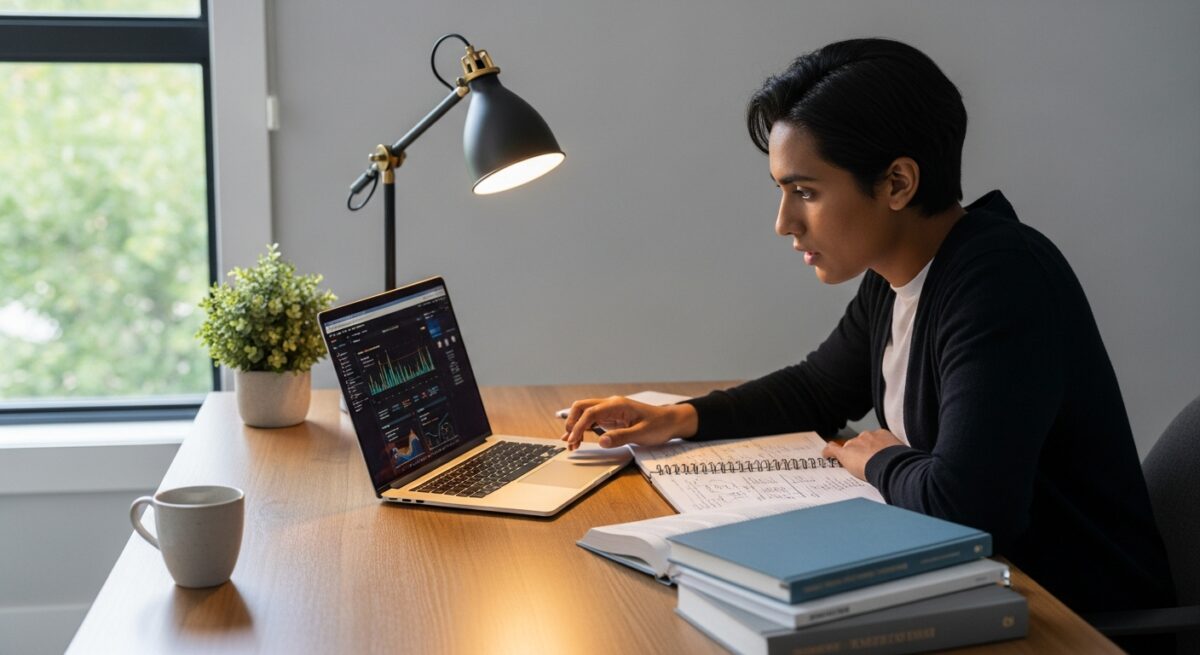
Your physical testing space requires deliberate setup. Choose a quiet, private room with a door you can close. Ensure your desk or table is clean and free of any materials not explicitly permitted by your exam instructions (this includes notes, textbooks, extra monitors, and even certain types of calculators). Lighting is crucial: position yourself so your face is clearly visible to the webcam, avoiding bright backlighting from a window behind you. Inform household members or roommates of your test schedule to prevent interruptions. Having a plan for these logistical details reduces stress and allows you to focus entirely on the exam content.
During the exam itself, practice conscious behavior. Remember that you are on camera. Avoid excessive movement, muttering to yourself, or looking around the room, as these actions can trigger flags in automated systems. If you need to think, it’s acceptable to look briefly away from the screen, but prolonged gazes off-screen may be problematic. If you are using a live proctor and have an issue, such as needing a bathroom break (if allowed) or experiencing a technical glitch, communicate with them directly through the software’s chat function. Do not get up and walk away without explanation. For students concerned about accelerated timelines, it’s worth noting that many accelerated online degree programs integrate proctored exams efficiently, often allowing you to schedule them as soon as you are ready to complete a course module.
Addressing Common Concerns and Ethical Considerations
It is natural for students to have concerns about privacy and performance in a proctored setting. Privacy questions often center on data security: what does the proctoring company do with the video and audio recorded during my session? Reputable institutions and proctoring services have strict data privacy policies aligned with FERPA (Family Educational Rights and Privacy Act). Recordings are typically stored securely for a limited period, used only for academic integrity review, and then deleted. Students should review their university’s privacy policy regarding proctoring and can often ask questions through the IT or academic support office.
Performance anxiety is another major concern. The feeling of being watched can be unnerving. The best mitigation is familiarity. Many programs offer ungraded practice exams using the proctoring software so students can experience the environment without pressure. Developing a strong pre-exam routine, including relaxation techniques, can also help. It’s important to reframe the experience: the proctor or software is not there to “catch” you, but to validate your honest work. Their presence ensures that your achievement is recognized and respected.
The ethical dimension is paramount. Attempting to circumvent proctoring protocols is academic dishonesty with serious consequences, including failing the course or expulsion. More broadly, engaging honestly with proctored exams upholds the value of your degree and the online education model as a whole. When employers see your credential, they trust that it represents genuine learning. This trust opens doors. For those exploring their options, a resource like degree programs online can help you understand how different institutions implement these integrity measures, allowing you to choose a program whose approach aligns with your goals and comfort level.
Frequently Asked Questions
Can I use any room in my house for a proctored exam? You should use a private, quiet room with a door. A dedicated home office or bedroom is ideal. Kitchens, living rooms, or other high-traffic areas are not recommended due to noise and potential interruptions.
What if I have a technical failure during the exam? Immediately contact your proctor via the software’s chat or communication tool if you are in a live session. For automated exams, note the exact time and nature of the failure, take screenshots if possible, and contact your instructor and the school’s technical support immediately after the incident.
Are all exams in an online degree program proctored? No. Proctoring is typically reserved for major assessments like midterms, finals, or certification exams. Quizzes, discussions, papers, and projects are usually not proctored. Check your course syllabus for specific details.
What items are typically prohibited during a proctored exam? Common prohibitions include: textbooks, notes, smartphones, other devices (tablets, smartwatches), additional monitors, headsets (unless approved), and writing on surfaces like desks or hands. Always review your specific exam instructions.
Do I need to purchase special equipment for proctored exams? Most modern laptops have built-in webcams and microphones that are sufficient. If your computer lacks these, you may need to purchase an external USB webcam. A stable internet connection is the most critical requirement.
Online degrees with proctored exams represent a mature and credible segment of higher education. They successfully marry the convenience of digital learning with the rigorous quality assurance that gives a degree its lasting value. By demystifying the process, preparing thoroughly, and approaching the experience with the right mindset, you can confidently meet this requirement. The proctored exam is not a gatekeeper designed to hinder you, but a guardian of the credential you are working so hard to earn. Embracing this component allows you to fully leverage the power of online education to advance your knowledge, your career, and your future, secure in the knowledge that your accomplishment will be recognized and respected wherever your path leads.