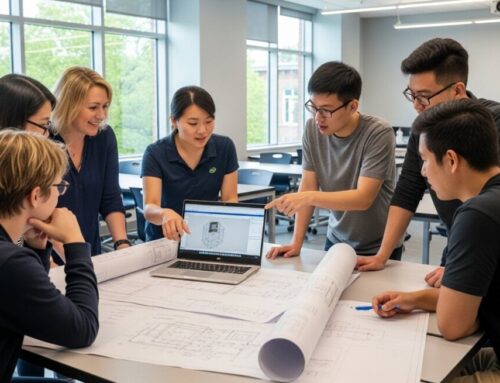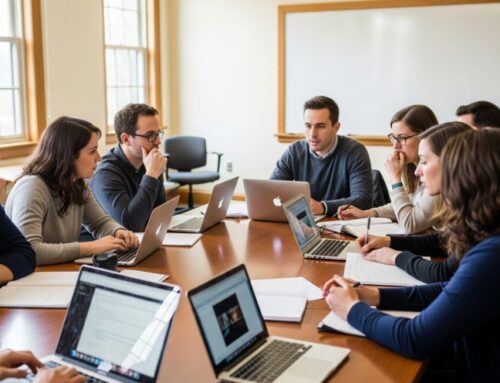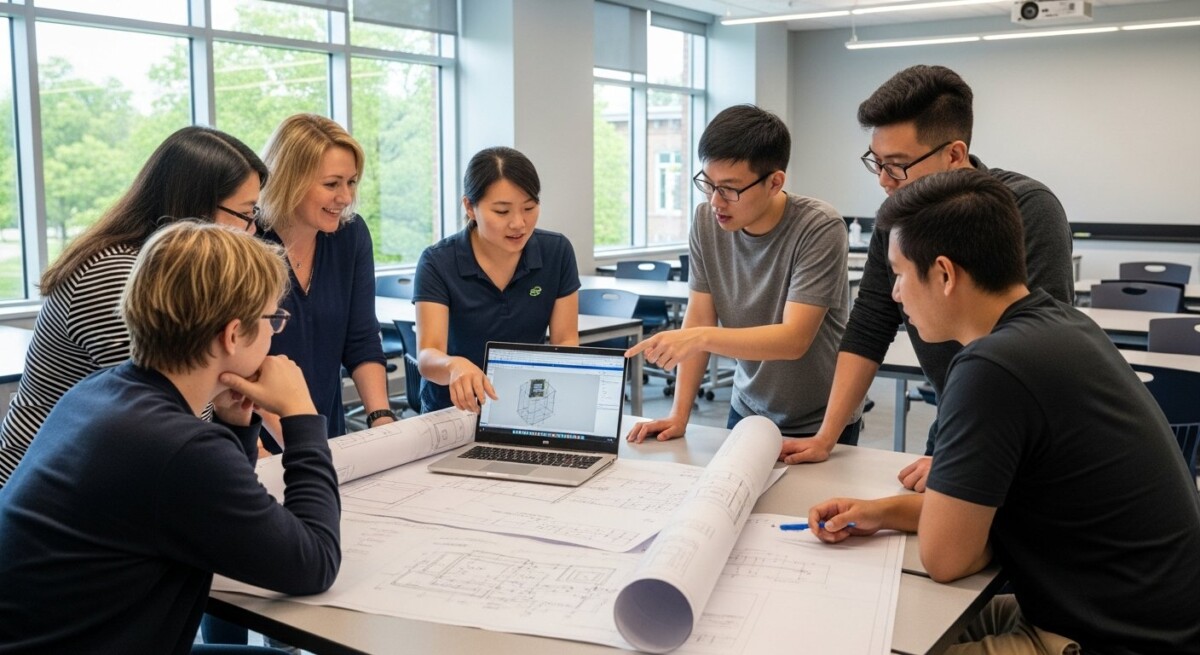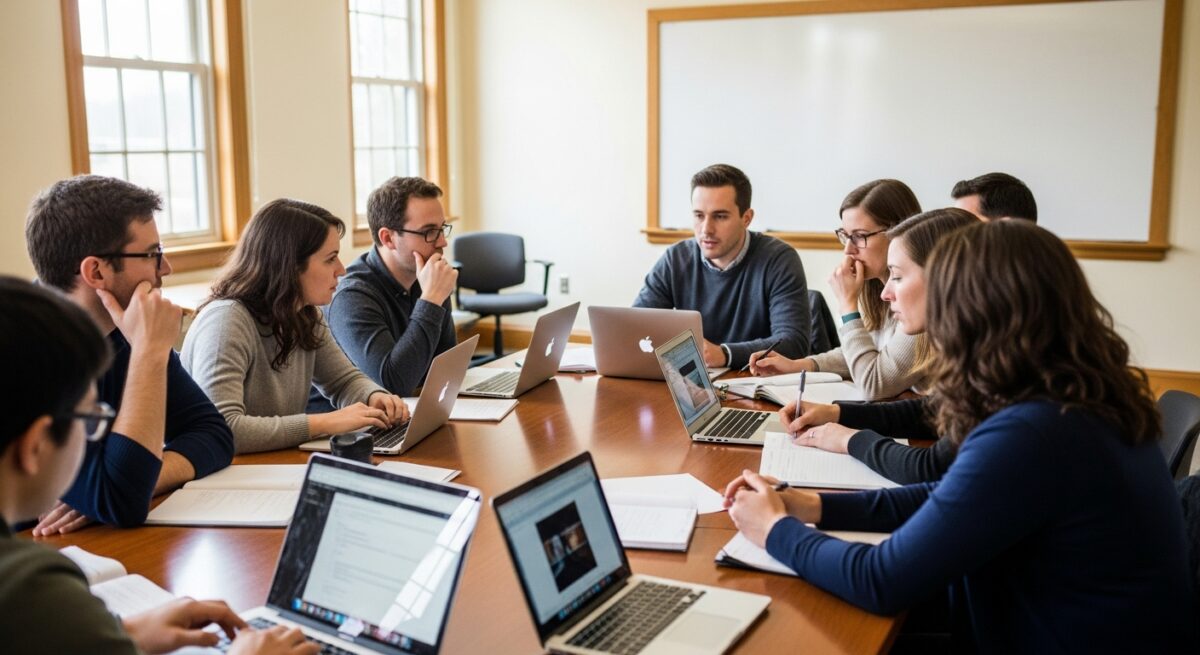
Imagine mastering complex scientific procedures, engineering simulations, or advanced IT configurations from your living room. This is the transformative promise of online degrees with virtual labs, a powerful evolution in digital education that shatters the old limitations of distance learning. No longer are hands-on, practical fields like nursing, computer science, engineering, or the natural sciences out of reach for online students. Through sophisticated software that replicates physical environments and equipment, accredited universities now deliver full, rigorous degree programs that include the critical experiential component once reserved for on-campus attendance. This model represents the perfect fusion of flexibility and applied learning, enabling career-focused individuals to gain industry-relevant skills without relocating or sacrificing their current job.
The Technology Behind Virtual Laboratory Experiences
Virtual labs are far more than simple video demonstrations or click-through animations. They are interactive, software-based simulations that mimic the tools, materials, procedures, and outcomes of a physical laboratory or clinical setting. The technology powering these experiences varies by discipline but is uniformly designed to provide authentic, skill-building practice. For instance, a chemistry student might use a simulation that includes a 3D model of a spectrophotometer, allowing them to prepare solutions, calibrate the instrument, and analyze data just as they would on campus. A networking student might configure virtual routers and firewalls in a simulated network environment that responds to correct or incorrect commands. These platforms often include elements of gamification and immediate feedback, helping students learn from mistakes in a risk-free, cost-effective setting where physical materials are not consumed.
The adoption of this technology by accredited institutions signals a major commitment to educational quality. Leading universities partner with software developers to create custom simulations or license established platforms like Labster, Cisco Packet Tracer, or CAD design software. The result is a curriculum where theoretical knowledge from lectures and textbooks is immediately applied in a practical context. This applied learning cycle is crucial for deep understanding and skill retention. Furthermore, these virtual experiences can sometimes offer advantages over traditional labs: they can be repeated infinitely for practice, they often include embedded assessments, and they can model phenomena or experiments that would be too dangerous, expensive, or time-consuming in a physical space.
Key Fields and Degree Programs Utilizing Virtual Labs
Online degrees with virtual labs are particularly prevalent in STEM (Science, Technology, Engineering, and Mathematics) and healthcare fields, where hands-on competency is non-negotiable for professional certification and employment. However, their application is broadening. When researching programs, prospective students should look for explicit mentions of virtual simulations, remote labs, or digital clinicals in the curriculum description.
In healthcare and nursing, simulations are a cornerstone. Students can practice patient assessments, diagnostic procedures, and even emergency response scenarios in detailed virtual patient environments. For computer science and information technology, virtual labs provide sandboxed environments for coding, cybersecurity penetration testing, database management, and full-stack development. Engineering students utilize virtual labs for circuit design, structural analysis, fluid dynamics simulations, and prototyping with computer-aided design (CAD) software. In the natural sciences, such as biology, chemistry, and physics, students conduct experiments, use microscopes, and analyze data through simulations that accurately reflect scientific principles. Even fields like education and business are incorporating virtual labs through simulated classroom management scenarios or business strategy simulations.
Evaluating Quality and Accreditation in Virtual Lab Programs
Not all online degrees with virtual labs are created equal. The single most critical factor to verify is institutional and programmatic accreditation. Regional accreditation ensures the university meets high standards of academic quality. For specific professions, programmatic accreditation is equally vital: ABET for engineering and technology, AACSB for business, CCNE or ACEN for nursing, and so on. An accredited program signifies that the virtual lab components have been rigorously reviewed and deemed sufficient to meet learning outcomes, which is essential for your degree to be respected by employers and licensing boards.
Beyond accreditation, investigate the technology itself. A high-quality program will transparently describe its virtual lab platform, provide technical requirements, and often offer a demo or detailed screenshots. Consider how the labs are integrated: are they synchronous group activities or asynchronous individual work? How is performance assessed? Look for programs that emphasize interaction with instructors and peers during lab work, as this mentorship is key to translating virtual practice into real-world skill. Reading student reviews and speaking with admissions counselors can provide insight into the user experience and effectiveness of the lab simulations. For those seeking a faster route to completion, some programs offering these robust digital tools may also be structured as accelerated online degrees, compressing the timeline without sacrificing the hands-on component.
The Tangible Benefits for Working Professionals and Career Changers
The advantages of pursuing online degrees with virtual labs extend well beyond simple convenience. For the working adult, this model eliminates the geographic and temporal barriers to education in high-skill, high-demand fields. You can maintain your income and career trajectory while building new competencies. The asynchronous nature of many virtual labs means you can practice and experiment on your own schedule, repeating procedures until you achieve mastery. This self-paced, iterative learning is often more effective than a single, high-pressure session in a physical lab.
From a career advancement perspective, these programs are designed with market relevance in mind. The skills practiced in virtual labs are directly transferable to modern, technology-driven workplaces. Completing such a program demonstrates to employers not only subject-matter expertise but also proficiency with digital tools and a capacity for self-directed learning, both highly valued in today’s economy. Furthermore, the cost structure can be beneficial: while tuition may be comparable to traditional programs, students save significantly on commuting, relocation, and often on lab fees associated with consumable materials. For comprehensive guidance on selecting the right path among the many options available, prospective students can explore detailed online education resources that compare degree types and specializations.
Addressing Common Questions and Concerns
Prospective students naturally have questions about the legitimacy and effectiveness of virtual lab experiences compared to traditional ones.
Will Employers and Licensing Boards Accept My Degree?
This is the paramount concern. The acceptance hinges entirely on the accreditation status of the degree-granting institution and its specific program. Employers primarily care about accreditation and skills. If you graduate from a properly accredited online degree program with virtual labs, your diploma does not specify the delivery method. Licensing boards for professions like nursing or engineering have strict curriculum standards. Reputable online programs design their virtual lab components specifically to meet these standards, and their accreditation proves they have succeeded. Always verify with the program and the relevant licensing body in your state before enrolling.
What Are the Technical Requirements?
Successful participation requires a reliable, high-speed internet connection and a computer that meets the software specifications for the virtual lab platform. These requirements are often more robust than those for standard online coursework. You may need a computer with a dedicated graphics card, a specific operating system, or ample RAM. Universities always publish these requirements upfront. It is also wise to have a backup plan for internet access, such as knowing where you can access a public or workplace connection if needed.
How Do I Get Help or Ask Questions During a Virtual Lab?
Quality programs build support directly into the learning structure. This typically includes access to instructors via email, discussion forums, or virtual office hours. Many labs have built-in help features, tutorials, and prompts. Some programs also facilitate peer-to-peer collaboration through group lab projects or dedicated chat channels, creating a community of practice where students can learn from each other.
Frequently Asked Questions
Are online degrees with virtual labs more expensive than traditional degrees?
Not necessarily. While tuition can be similar, you save substantially on ancillary costs like commuting, campus fees, housing, and physical lab supplies. The total cost of attendance is often lower.
Can I complete a full nursing degree online with virtual labs?
Yes, many accredited RN-to-BSN, second-degree BSN, and even some Master of Science in Nursing (MSN) programs use high-fidelity virtual simulations for much of the lab work. However, all nursing programs require in-person clinical rotations at approved healthcare facilities, which the school will help arrange in your local area.
Do I need to be tech-savvy to succeed in a virtual lab?
You need basic computer literacy, such as installing software, navigating interfaces, and troubleshooting simple connection issues. The lab software itself is designed to be intuitive, and universities offer technical support. The learning curve is generally manageable for most students.
How do group projects work in a virtual lab setting?
Group work is facilitated through collaboration tools integrated into the learning management system (like Zoom, Teams, or dedicated breakout rooms) and shared access to the lab simulation software. Students can work on the same virtual experiment or project simultaneously from different locations, communicating via video, chat, or screen sharing. What is the biggest drawback of virtual labs? The landscape of higher education has fundamentally shifted. Online degrees with virtual labs are not a compromise but a sophisticated, accessible, and highly effective pathway to gaining in-demand skills and respected credentials. By carefully selecting an accredited program with robust simulation technology, you can build a competitive career in a hands-on field, all through a format that adapts to your life rather than the other way around. This approach represents the future of professional and technical education, where quality and flexibility are no longer mutually exclusive.
The primary limitation is the lack of tactile, physical manipulation of equipment. For some fine-motor skills or sensory experiences, a physical lab is irreplaceable. However, for conceptual understanding, procedural knowledge, data analysis, and systems thinking, virtual labs are exceptionally effective and are considered a fully valid component of a comprehensive education.