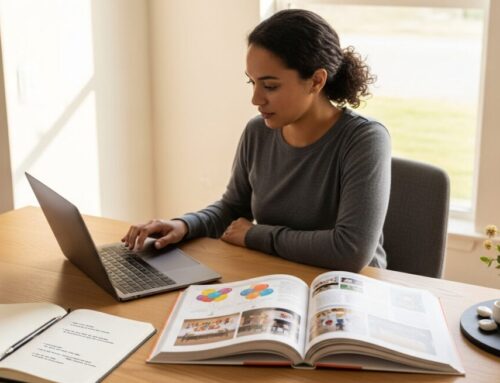
The digital revolution has fundamentally reshaped the media landscape, creating unprecedented opportunities for aspiring journalists. No longer bound by the traditional gatekeepers of newsrooms, individuals can now build the essential skills of reporting, writing, and ethical storytelling from anywhere in the world through journalism courses online. These programs offer a flexible, rigorous, and accessible pathway into a dynamic field that demands both timeless principles and cutting-edge digital fluency. Whether you aim to report on local government, produce investigative documentaries, or master social media storytelling, the right online journalism classes can provide the foundational knowledge and practical toolkit to succeed.
Why Pursue Journalism Training Online?
The decision to enroll in online journalism courses is driven by more than just convenience, it is a strategic choice aligned with the modern media ecosystem. The asynchronous nature of most programs allows working professionals, career changers, and students in remote locations to integrate high-quality education into their existing schedules. This flexibility mirrors the 24/7 news cycle itself, teaching discipline and self-motivation, two traits indispensable for any successful journalist. Furthermore, the online learning environment inherently cultivates digital literacy. Students become adept at using collaboration tools, content management systems, and digital research databases, skills that are directly transferable to today’s newsrooms, many of which operate with distributed teams.
Beyond logistics, the quality and diversity of instruction available online are vast. Aspiring journalists can learn from award-winning reporters, editors, and media law experts based at universities across the globe without relocating. This exposure to a wide network of professionals and peers can be invaluable for building connections. The curriculum in reputable programs is designed to be intensely practical. You won’t just read about the inverted pyramid, you’ll write multiple news stories under deadline, receive detailed feedback, and learn to edit your own and others’ work. This hands-on approach ensures that graduates of journalism classes online are not just theoretically prepared but are ready to contribute from day one.
Core Components of a Quality Online Journalism Program
Not all online programs are created equal. A comprehensive curriculum should balance the enduring pillars of the profession with training in the latest digital tools. The cornerstone of any journalism education is a unwavering commitment to ethics and law. Courses must cover libel, slander, copyright, source confidentiality, and the ethical frameworks for making difficult editorial decisions. This foundation is non-negotiable and protects both the journalist and the public trust. Alongside ethics, rigorous training in reporting and writing forms the program’s backbone. This includes instruction on sourcing, interviewing techniques, fact-checking protocols, and crafting clear, accurate, and engaging narratives for various audiences.
In the digital age, a curriculum must extend far beyond the notepad. Multimedia storytelling is now a standard requirement. Quality journalism courses online will include modules on audio production for podcasting, video shooting and editing for broadcast and online platforms, and basic photography for journalists. Similarly, data journalism has become a critical specialty. Courses should introduce students to finding, cleaning, analyzing, and visualizing data to uncover and tell compelling stories. Finally, an understanding of audience engagement and metrics is essential. Journalists need to know how their work reaches the public, which involves SEO fundamentals, social media strategy, and analytics interpretation. This holistic approach ensures graduates are versatile and adaptable.
When evaluating programs, look for the following key components in the syllabus:
- Ethics and Media Law: Deep dives into First Amendment principles, copyright, and ethical decision-making.
- Reporting and News Writing: Intensive practice in research, interviewing, and writing for different formats (news, features, profiles).
- Multimedia Production: Hands-on training with audio, video, and photo editing software.
- Digital and Social Media Strategy: Instruction on building an online presence, audience engagement, and content distribution.
- Capstone or Portfolio Project: A culminating experience where you produce a significant piece of work to showcase to employers.
Choosing the Right Online Course or Program for You
With a plethora of options available, from single courses to full master’s degrees, selecting the right path requires careful self-assessment and research. First, clarify your goals. Are you seeking a complete career shift, requiring a comprehensive degree? Or are you a working writer looking to add specific skills like data visualization or audio storytelling through a certificate or individual course? Your objective will dictate the level of commitment and investment. Next, scrutinize accreditation. Ensure the institution offering the journalism courses online is accredited by a recognized regional body. This validates the quality of education and is crucial if you plan to transfer credits or seek federal financial aid.
Investigate the faculty. Are the instructors working journalists or editors with current industry experience? Their real-world insights and connections are often as valuable as the curriculum itself. Examine the delivery method. Is the course fully asynchronous with pre-recorded lectures, or does it include live, synchronous workshops that require real-time attendance? Consider which format suits your learning style and schedule. Furthermore, assess the support services. Does the program offer career counseling, access to digital software and tools, and opportunities for mentorship or networking? A strong program facilitates more than just learning, it helps bridge the gap to employment. For those considering a full degree, understanding the accreditation and value of different academic pathways is critical. Exploring accredited online degree programs can provide a useful framework for this evaluation, regardless of your chosen state.
Building a Portfolio and Gaining Experience
The most critical asset for an aspiring journalist is a compelling portfolio. Your coursework should be designed to populate this portfolio with published-quality clips. Treat every assignment as a potential portfolio piece. Go beyond the minimum requirements, conduct extra interviews, take your own photos, and craft multiple drafts. Many online journalism classes will have you publish work on class websites or blogs, which is a great start. However, you must also seek external publishing opportunities. Pitch stories to local community newspapers, niche digital publications, or nonprofit news sites. Start your own professional blog or newsletter focused on a beat you are passionate about, demonstrating initiative and expertise.
Practical experience is irreplaceable. Seek out internships, even if they are remote or part-time. Many news organizations now offer virtual internships where you can contribute to research, social media, and even writing. Freelancing is another powerful avenue. It teaches you how to pitch, negotiate, meet editor demands, and manage the business side of journalism. Simultaneously, build your professional network actively. Engage with journalists you admire on social media, join organizations like the Online News Association or Society of Professional Journalists, and attend virtual journalism conferences and webinars. The relationships you build can lead to mentorship, collaboration, and job leads. Remember, your education provides the toolkit, but your portfolio and proactive hustle will open the doors.
Frequently Asked Questions
Can I really become a journalist through online courses alone?
Yes. While traditional pathways exist, online journalism courses from accredited institutions provide the same core skills: reporting, writing, ethics, and multimedia. Your success will hinge on the quality of your work, the strength of the portfolio you build during your studies, and your proactive pursuit of internships and freelance opportunities.
What is the difference between a certificate and a degree in journalism?
A certificate program is typically shorter (a few months to a year) and focuses on specific skill sets, such as digital media or investigative reporting. It’s ideal for skill enhancement or career changers with a degree in another field. A degree (Bachelor’s or Master’s) provides a comprehensive, theoretical, and practical foundation in journalism and is often required for many staff positions at larger outlets.
Do I need expensive equipment to start?
No. Most beginner online journalism classes are designed with accessibility in mind. A reliable computer, smartphone with a good camera and microphone, and basic, often free, software (like Audacity for audio or DaVinci Resolve for video) are sufficient to start. As you advance, you may choose to invest in better equipment.
How important is niche specialization?
Increasingly important. While general reporting skills are essential, developing deep knowledge in a specific area (e.g., climate science, education policy, tech regulation) makes you a more valuable and authoritative reporter. Use elective courses in your online program to build this expertise.
Are these courses suitable for international students?
Absolutely. Online journalism classes are a fantastic option for international students, offering access to top-tier instruction without visa constraints. Be mindful of time zones for any live sessions and ensure the program’s focus includes global or adaptable media practices, not just U.S.-centric content.
The journey to a career in journalism is demanding but deeply rewarding. By strategically selecting accredited journalism courses online, you gain the flexibility to learn at your own pace while acquiring a professional-grade skill set. Commit to going beyond the syllabus, building a robust portfolio of published work, and actively engaging with the journalism community. The field needs diverse, ethical, and skilled storytellers. With dedication and the right education, you can develop the expertise to inform the public, hold power accountable, and tell the stories that matter. For broader guidance on navigating higher education options, prospective students can consult trusted online education resources to compare academic pathways.