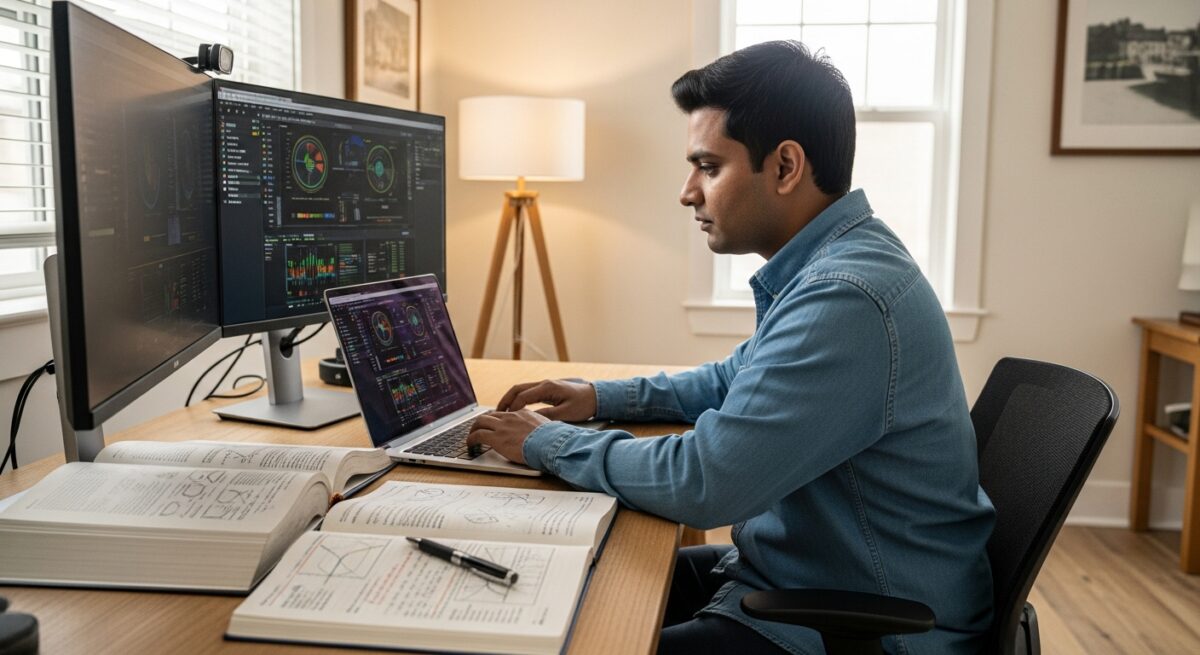
Imagine earning a respected degree without ever having to rush to log in at a specific time, juggle a work meeting with a live class, or miss a crucial lecture because life got in the way. This is the core promise and transformative power of online programs with recorded lectures, a learning model that has moved from a niche alternative to a mainstream educational powerhouse. By decoupling instruction from a fixed schedule, these programs offer unparalleled control, allowing students to absorb complex material at their own pace, rewatch difficult concepts, and truly integrate education into their existing lives, not the other way around. For the modern learner, whether a working professional, a parent, or a career changer, this flexibility is not just a convenience, it is the essential key that unlocks the door to advanced education and career progression.
The Core Mechanics of Asynchronous Learning
At the heart of online programs with recorded lectures is the pedagogical approach known as asynchronous learning. Unlike synchronous models that require real-time virtual attendance, asynchronous delivery means all core instructional materials, primarily video lectures, are pre-recorded and uploaded to a learning management system (LMS) like Canvas, Blackboard, or Moodle. Students access this content library on their own schedule, within set weekly or modular deadlines. This structure is fundamentally different from simply watching a YouTube video, it is a deliberate educational framework. Courses are carefully designed with recorded lectures as the central pillar, supported by digital readings, discussion forums, assignment dropboxes, and automated quizzes. The learning path is structured and guided by the instructor, but the journey’s timing is personally controlled by the student. This model empowers learners to plan their study sessions around their peak cognitive hours, whether that is early morning or late at night, leading to more effective knowledge retention and reduced stress.
The production quality and format of these lectures can vary. Some may feature a professor speaking directly to the camera with slide presentations, while others might use screen capture software to walk through complex problems, such as statistical equations in a data science course or coding environments in a computer science program. High-quality programs often segment lectures into topical chunks of 15 to 20 minutes, aligning with research on optimal attention spans, rather than posting hour-long monologues. This chunking further enhances the flexibility, allowing a student to complete one micro-lecture during a lunch break and another in the evening. The consistent thread is that the instructional core is always available, creating a persistent resource that students can return to throughout the course, especially when preparing for exams or working on complex projects that build on earlier concepts.
Unpacking the Multifaceted Benefits for Students
The advantages of choosing an online degree program built around recorded lectures extend far beyond simple scheduling freedom. The benefits are multidimensional, impacting academic performance, professional life, and personal well-being. The most obvious benefit is, of course, temporal flexibility. Students are no longer geographically or chronologically bound. A nurse working night shifts can watch lectures in the afternoon. A parent can study after putting children to bed. This flexibility makes higher education accessible to demographics for whom traditional or even live-online programs are simply not feasible. It democratizes access to knowledge and credentials.
Beyond scheduling, the pedagogical benefits are profound. Recorded lectures enable self-paced learning. A student struggling with a concept like financial derivatives in an MBA program can pause, rewind, and rewatch the explanation multiple times until it clicks. Conversely, a student who quickly grasps a topic can move ahead without waiting for peers. This personalized pace reduces frustration and boosts confidence. Furthermore, these programs often foster the development of crucial 21st-century skills, such as self-discipline, time management, and intrinsic motivation. Success requires the student to proactively create a study schedule, resist procrastination, and engage with the material independently, skills that are highly transferable to today’s remote and hybrid workplaces. For those comparing different delivery models, our analysis of specific institutional offerings, such as in our guide on Does A&M University Online Offer Online Programs?, highlights how recorded content is a standard feature for student-centric design.
To summarize the key student-centric advantages:
- Absolute Schedule Control: Learn anytime, anywhere, fitting education around work, family, and personal commitments.
- Enhanced Comprehension: Pause, rewind, and review complex material at your own pace for deeper understanding.
- Development of In-Demand Soft Skills: Cultivate self-motivation, time management, and personal accountability.
- Reduced Geographic and Logistical Barriers: Access top programs without relocation or commute.
- Consistent Learning Experience: Avoid technical glitches or connectivity issues that can disrupt live sessions.
This model also presents significant financial pragmatism. By eliminating commutes, relocations, and often allowing students to maintain full-time employment, the total cost of education (tuition plus living expenses and lost wages) can be substantially lower. The ability to work while learning means students can often cash-flow their education or minimize debt, a critical consideration in an era of rising student loans.
Potential Challenges and Strategic Mitigations
While the benefits are compelling, prospective students must enter online programs with recorded lectures with clear eyes regarding the potential challenges. The most significant is the requirement for a high degree of self-discipline and motivation. Without the fixed schedule of a live class, procrastination is a real risk. The freedom can become a trap if a student falls behind, as catching up can feel overwhelming. Feelings of isolation can also occur, as the lack of real-time interaction may lead some students to feel disconnected from their peers and instructors.
Fortunately, these challenges are not insurmountable, they are manageable with strategy and awareness. Successful students treat their online program like a serious job. They create a consistent, dedicated study schedule and block time on their calendar as if it were a mandatory meeting. They utilize physical or digital planners to track assignment deadlines, which are still firm, even if lecture viewing is flexible. To combat isolation, proactive engagement is key. Students must make a concerted effort to participate actively in asynchronous discussion forums, virtual study groups, and scheduled (but optional) live office hours or Q&A sessions offered by many instructors. Building these connections creates a support network and enriches the learning experience. Furthermore, learners should leverage the very nature of the format, taking detailed notes during lectures since they can pause, and using the lecture transcripts (often provided) for quick review and searchability.
Selecting the Right Program for Your Goals
Not all online programs with recorded lectures are created equal. Choosing the right one requires careful vetting beyond the simple promise of flexibility. The foremost criterion must always be accreditation. Regional accreditation is the gold standard in the United States and ensures the institution meets rigorous quality standards, that your credits will transfer, and that your degree will be respected by employers and other universities. Always verify accreditation status directly with the accrediting body, not just the school’s website.
Next, scrutinize the program’s structure and support services. How are the lectures delivered? Is the platform user-friendly? What is the instructor’s role? Look for programs where professors are actively engaged in forums, provide timely feedback on assignments, and are accessible for questions. Investigate the student support ecosystem: is there dedicated technical support, academic advising, career services, and library access for online learners? A robust support structure is indicative of an institution committed to online student success, not just content delivery. You should also explore comprehensive online education resources to compare program structures, accreditation details, and student support models across different institutions.
Finally, align the program with your specific career objectives. Examine the curriculum in detail. Does it cover the specific skills and knowledge areas demanded in your target field? Look for capstone projects, practical assignments, or opportunities for applied learning that can build your portfolio. Research the career outcomes of alumni, if available. A program with recorded lectures in business administration, for instance, should have a curriculum that aligns with modern management practices and perhaps offer specializations in high-demand areas like analytics or healthcare management.
Frequently Asked Questions
Are online degrees with recorded lectures respected by employers?
Yes, overwhelmingly so, provided they are from a properly accredited institution. Employer acceptance of online degrees has grown dramatically, especially since the widespread adoption of remote work. Employers primarily value the accreditation of the school, the relevance of the skills learned, and your demonstrated ability to manage time and complete a rigorous program.
How do interaction and networking work without live classes?
Interaction is designed differently. It occurs through asynchronous discussion boards where students post and respond over days, group projects using collaborative tools (like Google Docs or shared drives), email, and often optional synchronous touchpoints like video office hours. Networking requires more proactive effort but can be very effective through these channels and program-specific alumni networks on platforms like LinkedIn.
Can I complete these programs faster than traditional degrees?
Many programs are designed with accelerated options, allowing students to take more courses per term if they can handle the workload. Some are competency-based, where you progress by demonstrating mastery, not seat time. However, the standard pace is often similar to a traditional semester, but the flexibility allows you to maintain that pace alongside other responsibilities.
What technology do I need to succeed?
A reliable computer, high-speed internet connection, and a headset with a microphone are essential. You will need to be comfortable with basic software, word processing, and navigating learning management systems. Most schools provide detailed tech specifications and orientation materials.
Is financial aid available for these programs?
Yes, accredited online programs with recorded lectures are eligible for the same federal financial aid (loans, grants) as their on-campus counterparts. You must complete the FAFSA and meet all standard eligibility requirements. Many schools also offer scholarships specifically for online learners.
The evolution of online programs with recorded lectures represents a fundamental shift toward learner-centered education. It moves the power dynamic from the institution’s schedule to the individual’s life, making advanced degrees and career advancement a realistic goal for millions who were previously sidelined. This model does not lower standards, it simply removes archaic logistical barriers. By choosing an accredited, well-supported program and approaching it with discipline and strategy, students can harness this flexibility to build the knowledge, skills, and credentials that propel meaningful career growth and personal achievement. The classroom is now wherever and whenever you are ready to learn.