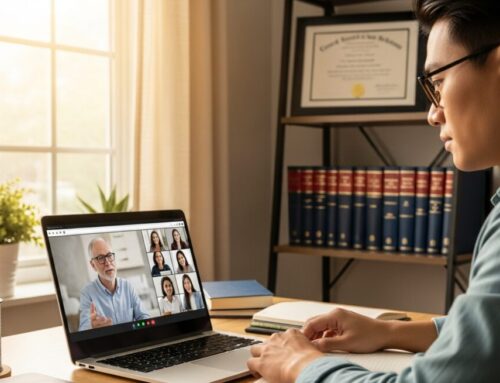
The landscape of learning has undergone a seismic shift, moving from the confines of traditional classrooms to the boundless digital realm. For millions of students and professionals, this shift is not merely a matter of convenience, it is a transformative opportunity. Online education has evolved from a niche alternative into a powerful, mainstream pathway for achieving academic and career goals. The advantages it offers extend far beyond simple flexibility, touching on accessibility, cost, personalization, and career outcomes in profound ways. Understanding these benefits is crucial for anyone considering how to advance their education in today’s fast-paced world.
Unparalleled Flexibility and Self-Paced Learning
The most celebrated advantage of online learning is its inherent flexibility. This benefit dismantles the primary barrier to higher education for adult learners, working professionals, and those with significant personal commitments. Unlike traditional programs with fixed class schedules, online courses typically deliver lectures, readings, and assignments through a digital learning management system. Students can access this material at any hour of the day, from any location with an internet connection. This asynchronous model means a parent can study after putting children to bed, a full-time employee can complete coursework on weekends, or a military member can continue their education while deployed.
This flexibility directly enables self-paced learning. While courses have overall deadlines, students often have significant control over their weekly schedule and the pace at which they absorb complex material. A learner struggling with a challenging concept in statistics can revisit the lecture video multiple times, seek out supplemental resources, and take the time needed to master it before moving on. Conversely, a student who quickly grasps a topic can accelerate through that module. This personalized pace reduces stress, improves comprehension, and leads to more durable learning outcomes. It aligns education with individual cognitive rhythms rather than a standardized, one-size-fits-all timetable.
Significant Cost Savings and Financial Accessibility
Pursuing a degree is a major financial investment, and online programs can substantially reduce the total cost of education. The direct savings are often immediately apparent. Students eliminate numerous expenses associated with on-campus life, including commuting costs (gas, parking, public transit fees), relocation expenses, and often costly campus meal plans and housing. The indirect financial benefits are equally powerful. By allowing students to maintain full or part-time employment while studying, online education prevents the loss of income that often accompanies a return to school. This ability to earn while you learn makes advanced degrees financially feasible for a much broader demographic.
Furthermore, the digital nature of online learning reduces or eliminates many ancillary costs. Textbooks are frequently available in digital formats, which are cheaper than physical copies, and some programs include all course materials in the tuition fee. The competitive landscape of online education also puts pressure on institutions to offer transparent, competitive pricing. Many reputable universities now offer online degree programs at a lower per-credit cost than their on-campus equivalents. When combined with the same access to federal financial aid, scholarships, and employer tuition reimbursement programs, the financial argument for online education becomes compelling. For a detailed exploration of program options and financial planning, our resource on financial planning for education provides essential guidance.
Expanded Access to Programs and Expert Instructors
Geographic location is no longer a constraint on educational choice. Previously, a student’s program options were limited to institutions within a commutable distance. Online education shatters this barrier, granting access to top-ranked programs, specialized degrees, and renowned faculty across the country and even the globe. A student in a rural area can earn a degree from a major urban university. A professional seeking a very specific graduate credential, like a niche IT security or healthcare administration focus, can find a program that matches their exact needs without relocating.
This expanded access also applies to instructors. Universities can recruit industry experts, leading researchers, and top professors to teach online courses, regardless of where they live. This means students learn from practitioners who are actively shaping their fields, not just academics who are geographically convenient to a campus. The diversity of perspectives in a virtual classroom is also enhanced, as students from different regions, cultures, and professional backgrounds come together, enriching discussions and providing a more holistic view of the subject matter. This global classroom experience is a unique benefit that prepares graduates for work in interconnected, international environments.
Career Advancement and Skill Development Alignment
Online education is uniquely positioned to serve the needs of career-focused adults. The curriculum in many online programs, particularly those designed for working professionals, is developed with direct input from industry leaders to ensure relevance. Skills learned on Monday in an online course can often be applied at work on Tuesday, creating an immediate return on investment. This practical application reinforces learning and demonstrates value to employers. Furthermore, the very act of succeeding in an online program showcases in-demand soft skills to potential employers, including self-motivation, time management, technological proficiency, and written communication.
For those seeking a career change or vertical movement, online degrees provide a viable path forward without requiring a career pause. The ability to immediately apply theoretical knowledge builds a robust portfolio of experience even before graduation. Many online programs also incorporate career services, virtual networking events, and mentorship connections with alumni. These structured opportunities help students translate their academic achievements into tangible career outcomes. To understand how specific programs can align with your goals, exploring online education degree programs that transform your career is an excellent starting point.
Development of In-Demand Digital Literacy and Discipline
The online learning environment itself is a training ground for the modern digital workplace. Students become adept at using collaborative software, project management platforms, video conferencing tools, and cloud-based document sharing. They learn to communicate effectively and professionally in digital written formats, a critical skill in an era of remote and hybrid work. Navigating virtual team projects teaches collaboration across time zones and cultures, mirroring the dynamics of global corporations. This embedded digital fluency is a significant, often unadvertised, benefit of an online education.
Perhaps the most profound personal benefit is the cultivation of self-discipline and intrinsic motivation. Without the physical structure of a classroom and the direct oversight of an instructor, students must cultivate strong habits. They learn to set their own schedules, meet deadlines independently, proactively seek help when needed, and persist through challenges without external prompting. The self-reliance and grit developed through a successful online education experience are transformative life skills that extend far beyond academics, contributing to personal and professional success in all endeavors.
Frequently Asked Questions
Are online degrees respected by employers?
Yes, overwhelmingly so, provided they are from accredited institutions. The stigma once associated with online degrees has largely disappeared, especially as major, well-respected universities have launched their own online programs. Employers now focus on the accreditation of the school and the relevance of the skills acquired rather than the delivery method.
Can I interact with professors and classmates in an online program?
Absolutely. Interaction is a core component of quality online education. It occurs through discussion forums, live video seminars, email, instant messaging, and collaborative group projects. The nature of the interaction is different, often more deliberate and written, but it can be equally, if not more, engaging than a large lecture hall setting.
How do I stay motivated in a self-paced environment?
Successful online students create structure. This includes setting a consistent weekly study schedule, designating a specific place for coursework, breaking large assignments into smaller tasks, and actively participating in online discussions. Connecting with a fellow student for accountability can also be highly effective.
What technology do I need for online learning?
The basics are a reliable computer (less than 5 years old is ideal), a stable high-speed internet connection, a webcam, and a headset with a microphone. Specific software requirements will be outlined by your program, but common needs include a word processor, spreadsheet application, and PDF reader.
Are there networking opportunities in online programs?
Yes. Many programs facilitate networking through virtual career fairs, alumni databases, LinkedIn groups, and live online events with guest speakers. Proactive students who engage in discussions and reach out to professors and peers often build strong professional networks.
The decision to pursue an education is one of the most impactful a person can make. In an increasingly digital and fast-moving world, online education provides a responsive, accessible, and effective model for lifelong learning. Its benefits address the core challenges of modern life: the need for flexibility, financial pragmatism, career relevance, and personal growth. By choosing a reputable, accredited online program, learners are not just acquiring a degree, they are mastering the skills, discipline, and digital fluency required to thrive in the future of work and learning. The opportunity to grow, advance, and transform one’s trajectory is now truly available anywhere, anytime.