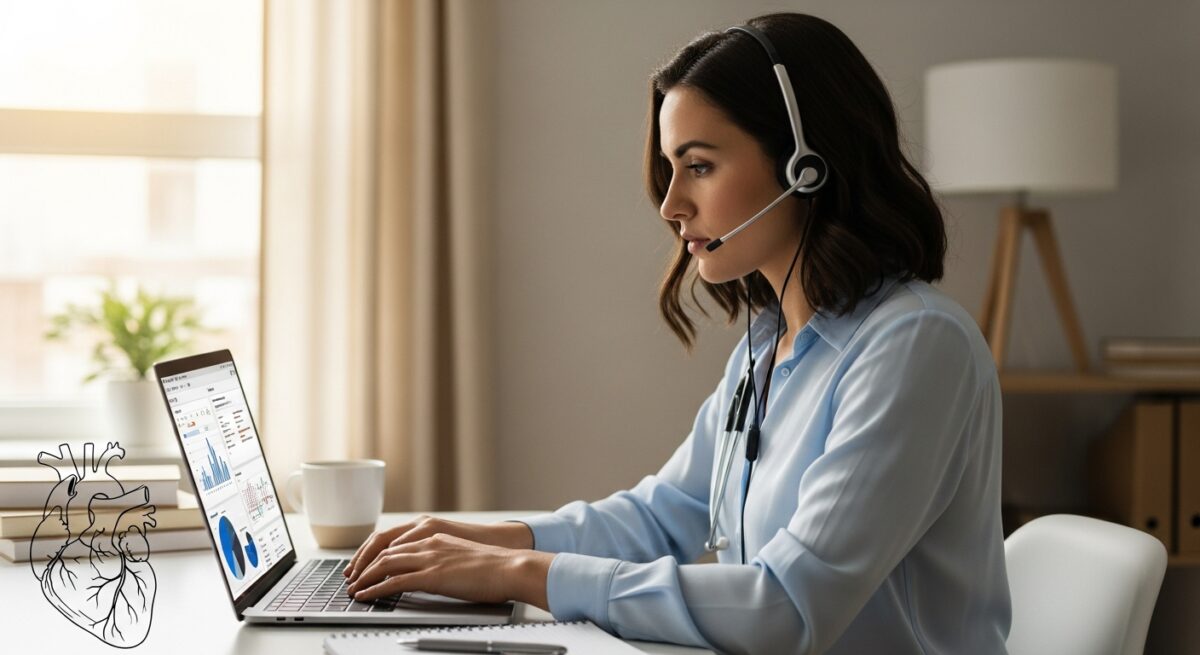
The landscape of higher education has undergone a profound transformation, shifting from lecture halls to digital platforms. For millions of students worldwide, the traditional campus experience is no longer the only, or even the most practical, route to a degree. Virtual classroom degrees have emerged as a powerful, legitimate, and flexible alternative, offering accredited education that fits into the complex lives of modern learners. This model leverages synchronous and asynchronous technology to deliver interactive, structured learning directly to students, wherever they are. Whether you are a working professional seeking career advancement, a parent balancing family responsibilities, or someone living in a remote area, virtual classroom programs provide a viable and respected pathway to achieving your academic and professional goals without the constraints of physical location.
The Core Structure of a Virtual Classroom Degree
Unlike simple self-paced online courses, a virtual classroom degree is built around a structured, cohort-based learning environment that mirrors the schedule and interaction of a traditional program, but within a digital space. The core experience is delivered through a Learning Management System (LMS) like Canvas, Blackboard, or Moodle, which serves as the central hub for all course activities. Here, students access lectures, submit assignments, take part in discussions, and view grades. The defining feature, however, is the live, scheduled component. Through video conferencing tools such as Zoom or Microsoft Teams, students and instructors meet in real-time for lectures, seminars, group projects, and office hours. This synchronous element fosters a sense of community, allows for immediate Q&A, and enables dynamic collaboration that purely text-based or recorded courses often lack.
The curriculum and accreditation for these programs are identical to their on-campus counterparts. The same faculty who teach in person typically design and deliver the virtual courses, ensuring academic rigor is maintained. Assignments, exams, and grading standards are equivalent. The key difference is the mode of delivery, which is designed for accessibility. This structure is particularly effective for graduate programs, executive education, and fields like business, education, computer science, and healthcare administration, where discussion and applied learning are crucial. For those exploring business-focused paths, our resource on top online marketing degrees details how virtual classrooms are shaping digital careers.
Key Benefits and Advantages for Students
The appeal of virtual classroom degrees is rooted in a combination of flexibility, accessibility, and quality. These programs are specifically engineered to remove the most significant barriers to higher education while maintaining a high standard of learning.
First and foremost is geographical freedom. Students are no longer limited to institutions within commuting distance. They can enroll in a top-ranked program across the country without relocating, saving immense costs on housing and transportation. This also opens doors for international students or those in rural areas. Secondly, the time flexibility is transformative, especially for working adults. While live sessions are scheduled, they are often recorded for later viewing, and much of the coursework can be completed asynchronously. This allows learners to fit their education around work shifts, family commitments, and other responsibilities, a balance we explore in depth in our guide to flexible online degrees for working adults.
The financial benefits extend beyond saving on relocation. Many virtual programs have lower tuition rates for online students, and all students save on campus-specific fees, daily commuting, and often on expensive textbooks through digital materials. Furthermore, the development of digital literacy and self-discipline within a structured online environment are themselves valuable career skills in today’s remote and hybrid workplaces.
Choosing the Right Accredited Virtual Program
Not all online degrees are created equal, and due diligence is critical. The single most important factor is accreditation. Ensure the institution is accredited by a recognized regional accrediting body in the United States (such as the Higher Learning Commission) or an equivalent national authority. Programmatic accreditation for specific fields (like AACSB for business or CAEP for education) adds another layer of credibility. Accreditation guarantees that the degree will be respected by employers and other institutions, and it is essential for federal financial aid eligibility.
Beyond accreditation, prospective students should deeply investigate the program’s structure and support services. Consider the following key elements before enrolling:
- Technology Requirements: What software, hardware, and internet speed are mandatory? Is technical support available 24/7?
- Student Support Services: Does the program offer dedicated online academic advising, career counseling, tutoring, and library access?
- Interaction Level: What is the expected ratio of synchronous vs. asynchronous work? How are group projects and peer interaction facilitated?
- Faculty Accessibility: How do instructors hold office hours and provide feedback? Are they trained in online pedagogy?
- Career Outcomes: What are the graduation rates, and does the institution provide career placement support for online graduates?
Thoroughly researching these aspects will help you find a program that is not just legitimate, but also a good fit for your learning style and goals. Exploring degree programs online can also be a valuable step in understanding the funding landscape for these educational paths.
Overcoming Challenges in the Digital Learning Environment
While virtual classroom degrees offer immense advantages, they also present unique challenges that require proactive management. The lack of a physical campus can lead to feelings of isolation if students do not actively engage. Combating this requires intentional participation in live sessions, discussion forums, and virtual study groups. Time management is another critical hurdle. The flexibility can become a pitfall without strong self-discipline. Successful students treat their online study like a job, creating a dedicated workspace and a consistent weekly schedule that blocks out time for lectures, reading, and assignments.
Technical issues are an inevitable reality of digital life. Proactivity is key: test your equipment before classes start, have a backup internet plan (like a mobile hotspot), and familiarize yourself with the LMS early. Communication is also different online. Students must be more explicit and deliberate in their digital communication with peers and professors, as non-verbal cues are often absent. Developing these skills, however, directly translates to proficiency in modern professional remote collaboration.
Frequently Asked Questions About Virtual Classroom Degrees
Are virtual classroom degrees respected by employers?
Yes, overwhelmingly so, provided they are from an accredited institution. Employers today primarily care about the accreditation of the degree and the skills you have acquired. The stigma once associated with online education has largely disappeared, especially as prestigious universities now offer robust virtual programs.
How do exams and proctoring work in a virtual setting?
Methods vary. Some programs use honor systems and timed, open-book exams focused on application. Others use remote proctoring services that monitor students via webcam and screen-sharing software to ensure academic integrity. The syllabus will always outline the specific exam procedures.
Can I get financial aid for a virtual degree program?
Absolutely. Accredited virtual classroom degrees are fully eligible for federal financial aid (FAFSA), including loans and grants. You should also investigate scholarships offered specifically for online students by the university, private organizations, and employers offering tuition reimbursement programs.
What is the difference between an online degree and a virtual classroom degree?
“Online degree” is a broad term that can include fully self-paced, recorded courses with little interaction. A “virtual classroom degree” specifically implies a structured program with live, synchronous sessions that create a real-time, interactive cohort experience, closely mimicking the schedule and social dynamics of a physical classroom.
Do I need to be highly tech-savvy to succeed?
You need basic digital literacy: comfort with video conferencing, word processing, email, and navigating websites. Most universities provide extensive tech support and tutorials for their specific platforms. A willingness to learn and troubleshoot is more important than advanced technical knowledge.
Virtual classroom degrees represent more than just a convenient alternative, they are a fundamental evolution in educational delivery. By combining the rigor and structure of traditional academia with the flexibility and innovation of digital technology, they democratize access to quality higher education. For the motivated student, they offer a path to personal and professional advancement that aligns with the realities of 21st-century life. As technology and pedagogy continue to advance, the virtual classroom will only become more immersive, interactive, and integral to the global education ecosystem, making now an opportune time to explore this dynamic learning modality.