Imagine earning a respected degree, mastering a new skill, or advancing your career without ever setting foot on a traditional campus. This is the fundamental promise of distance learning, an educational model that has evolved from correspondence courses to become a dominant force in modern education. At its core, distance learning is a method of study where students and instructors are separated by time and space, leveraging technology to bridge the gap. It represents a profound shift in how knowledge is delivered and accessed, prioritizing flexibility and accessibility to meet the needs of diverse learners, from busy professionals to remote students. This comprehensive guide will explore the mechanics, benefits, and considerations of this transformative approach, providing a clear answer to the question, “What is distance learning?” and how it can serve your educational goals.
The Evolution and Core Definition of Distance Learning
Distance learning, often used interchangeably with terms like online education or e-learning, is formally defined as a mode of delivering education and instruction to students who are not physically present in a traditional classroom setting. The historical roots trace back to the 19th century with mail-based correspondence courses, but the model has undergone radical transformation. The advent of the internet, multimedia tools, and sophisticated learning management systems (LMS) has propelled distance education into a dynamic, interactive, and highly effective domain. Today, it encompasses everything from fully online degree programs at accredited universities to hybrid or blended models that combine occasional in-person sessions with digital coursework. The central tenet remains constant: education is untethered from a specific geographic location, granting learners unprecedented control over their study environment and schedule.
Understanding what distance learning is requires recognizing its key differentiator: the deliberate separation of teacher and learner. This separation is not a barrier but a designed feature that is overcome through planned pedagogical and technological intervention. Communication is mediated through tools like discussion forums, video conferencing, email, and digital assignment submissions. This structure demands a higher degree of self-discipline and time management from the student, while requiring instructors to design courses with clarity and intentional support for the remote learner. The success of this model is evident in its widespread adoption, with institutions worldwide offering programs that rival their on-campus counterparts in rigor and reputation.
Primary Modalities of Distance Education
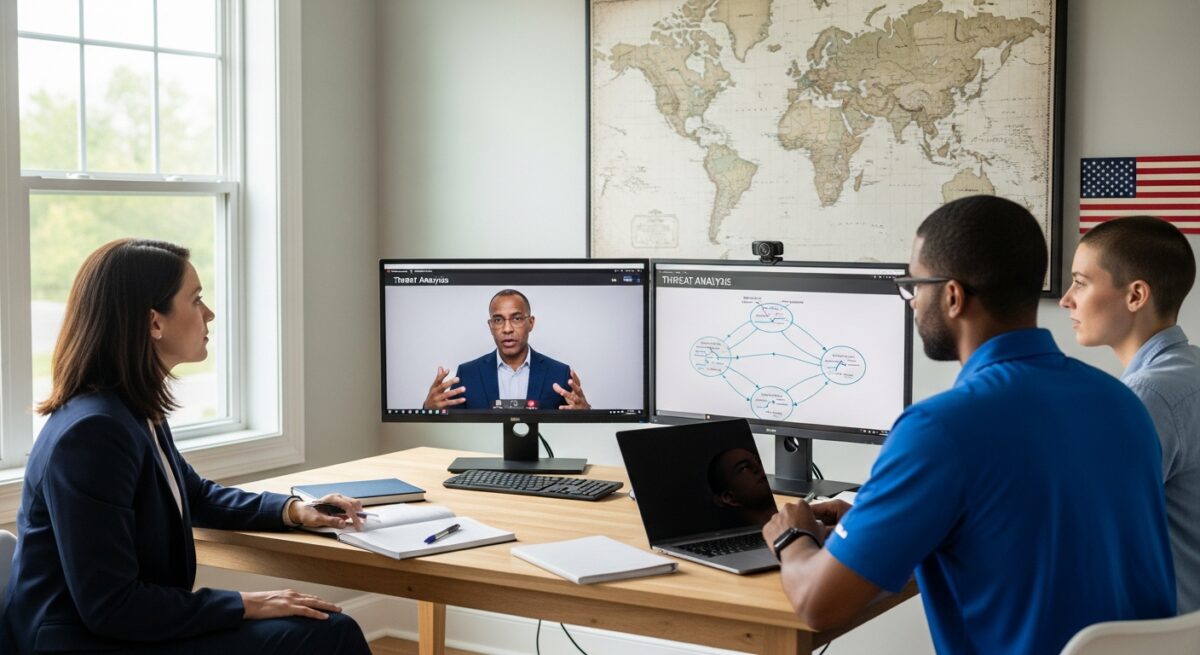
Not all distance learning is structured the same. Prospective students will typically encounter several distinct formats, each with its own rhythm and requirements. The most common is the fully online asynchronous model. In this format, students access pre-recorded lectures, readings, and assignments via an LMS (like Canvas or Blackboard) and complete work by weekly deadlines, but there are no scheduled live class meetings. This offers maximum flexibility for those balancing work, family, or other commitments. Synchronous online learning, in contrast, involves live, real-time sessions conducted via video platforms like Zoom or Microsoft Teams. These virtual classrooms mimic a traditional schedule, requiring students to be online at specific times for lectures, discussions, and group work.
A popular middle ground is the hybrid or blended learning model. This approach mixes online learning with a required, reduced number of face-to-face meetings on campus or at a designated site. For instance, a program might require students to attend an intensive weekend residency once per semester while completing the remainder of the coursework online. Another emerging model is competency-based education (CBE), where progression is based on demonstrating mastery of specific skills and knowledge rather than accumulating credit hours. This is particularly effective for adult learners with prior experience, as it allows them to move quickly through material they already know. Choosing the right modality is a critical step, and resources like our complete overview of distance learning degrees can help you evaluate which structure aligns with your learning style and life circumstances.
The Technology Powering the Virtual Classroom
The engine of modern distance education is technology. A robust Learning Management System serves as the digital campus hub, organizing everything from the syllabus and gradebook to discussion boards and multimedia libraries. These platforms are where students spend the majority of their academic time. Beyond the LMS, a suite of tools facilitates interaction and collaboration. Video conferencing software enables live lectures and office hours. Cloud-based document sharing (like Google Workspace or Microsoft 365) allows for real-time group projects. Specialized software may be used for simulations, labs, or discipline-specific tasks, such as statistical analysis in social sciences or CAD design in engineering.
For the student, the primary technological requirements are typically a reliable computer, high-speed internet access, a webcam, and a microphone. While most coursework is designed to be accessible through standard web browsers, some programs may have specific software requirements. The key for learners is to develop digital literacy, not just in using these tools, but in troubleshooting common issues, practicing good “netiquette” in online communications, and managing digital files effectively. This technological ecosystem not only delivers content but also builds a community, connecting students with peers and faculty across cities, countries, and time zones.
Tangible Benefits and Advantages for Students
The appeal of distance learning is rooted in a powerful set of benefits that address the limitations of traditional education. The most prominent advantage is flexibility. Students can often access course materials and complete assignments at any hour of the day, fitting education around existing work schedules, family responsibilities, or personal commitments. This flexibility directly enables accessibility, breaking down geographic barriers and making programs from prestigious institutions available to learners anywhere with an internet connection. For adult learners and career-changers, this is often the only feasible path to upskilling or earning a degree without sacrificing their current employment.
Beyond scheduling, distance learning can also promote the development of highly valuable transferable skills. The independent nature of the work cultivates superior self-discipline, time management, and intrinsic motivation. Digital collaboration hones written communication and project management skills in a virtual environment, which is increasingly relevant in today’s global, remote-work economy. Furthermore, the asynchronous discussion forum model often encourages more thoughtful, reflective participation than spontaneous classroom conversation, allowing every student a voice. From a financial perspective, while tuition may be comparable to on-campus programs, students can save significantly on ancillary costs like commuting, campus fees, and relocation expenses. For those concerned about funding, exploring degree programs online can open doors to scholarship opportunities and financial aid specifically designed for distance learners.
Key Considerations and Challenges to Navigate
While the benefits are substantial, a realistic view of distance learning must also acknowledge its unique challenges. Success in this environment demands a high degree of self-motivation and personal accountability. Without the structure of regular physical classes, some students may struggle with procrastination or time management. The relative lack of spontaneous, face-to-face social interaction can lead to feelings of isolation for some learners. This makes it imperative for students to proactively engage with online discussions, virtual study groups, and instructor office hours to build connections.
Another critical consideration is program quality and legitimacy. The digital landscape includes both exemplary and substandard offerings. Prospective students must perform due diligence by verifying a program’s accreditation, which is the primary marker of educational quality and recognition by employers and other institutions. It is also wise to research the institution’s specific support services for online students, such as technical help desks, online tutoring, career counseling, and digital library access. Understanding these factors is essential for making an informed decision, a process detailed in our resource on distance learning as a path to career advancement.
Is Distance Learning Right for You?
Determining if distance learning aligns with your goals and personality is a crucial first step. This model tends to be an excellent fit for self-directed individuals who are comfortable with technology, possess strong reading and writing skills, and can create and adhere to a consistent study schedule. It is ideal for working professionals, parents, military personnel, and those living in remote areas. Conversely, individuals who thrive on in-person, spontaneous discussion, require the external structure of a physical classroom, or have unreliable internet access may find it more challenging.
To assess your readiness, consider the following key traits of successful distance learners:
- Self-Discipline and Time Management: The ability to prioritize tasks and meet deadlines without direct supervision.
- Effective Communication Skills: Proficiency in expressing questions and ideas clearly in writing and, often, via video.
- Technical Comfort: A basic comfort level with computers, internet navigation, and learning new software.
- Proactive Mindset: Willingness to seek out help from instructors and peers when needed, rather than waiting for intervention.
- A Dedicated Learning Space: Having a quiet, organized area at home or work to focus on coursework.
If these characteristics describe you, distance learning can be a powerful and effective avenue for achieving your academic and professional aspirations. It represents not just an alternative to campus-based education, but a sophisticated, student-centered approach designed for the realities of the 21st century.
Frequently Asked Questions
Is a degree earned through distance learning respected by employers?
Yes, degrees from accredited online programs are widely respected. Employers primarily value the accreditation of the institution and the skills you’ve gained. The key is to choose a program that is properly accredited by a recognized accrediting agency.
How do online students interact with professors and classmates?
Interaction happens through various digital channels: email, discussion forums, live video sessions (synchronous classes or office hours), instant messaging within the LMS, and collaborative group projects using shared documents and communication tools.
Can I get financial aid for an online degree program?
Absolutely. Accredited online degree programs are eligible for the same federal financial aid (loans, grants) as traditional on-campus programs, provided the school participates in federal aid programs. Students must complete the FAFSA. Many institutions and private organizations also offer scholarships specifically for online learners.
What is the difference between “online learning” and “distance learning”?
The terms are often used interchangeably today. Historically, “distance learning” was the broader category (including mail-based courses), while “online learning” specifically denotes internet-based delivery. In modern usage, especially for degree programs, they typically mean the same thing: education delivered via the internet.
Are online programs easier than traditional college courses?
No. Accredited online programs maintain the same academic standards and rigor as their on-campus equivalents. The workload, expectations for critical thinking, and assessment difficulty are comparable. The challenge often lies in the different style of learning and the need for greater self-management, not in lowered academic standards.
Distance learning has fundamentally reshaped the educational landscape, offering a viable, rigorous, and flexible path to personal and professional development. By understanding what distance learning is, from its technological foundations to its practical demands, you can make an empowered decision about your educational future. It democratizes access to knowledge, allowing lifelong learning to integrate seamlessly with life’s other responsibilities. As educational technology continues to advance, the quality, interactivity, and reach of distance education will only expand, solidifying its role as a cornerstone of modern higher education and career training.