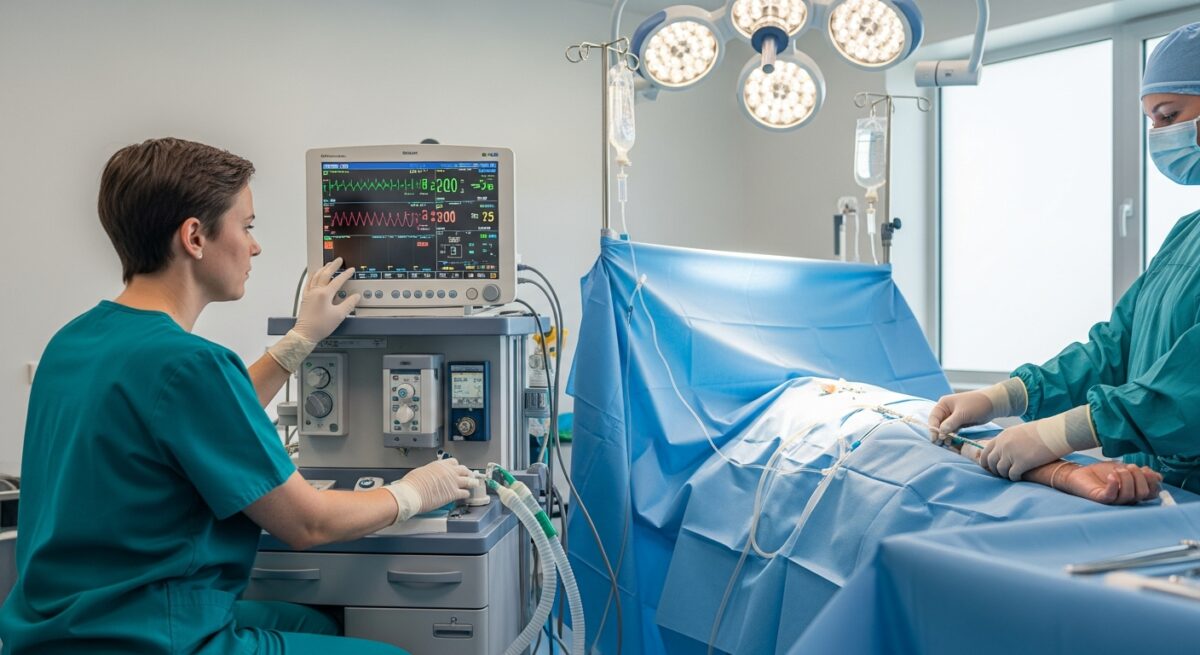
Anesthesia technicians are essential members of the surgical team, responsible for preparing equipment, maintaining sterile fields, and assisting anesthesiologists during procedures. For working professionals and career changers, the path to this allied health role has become more accessible than ever through distance education. This anesthesia technician certification programs online guide explores how to evaluate, enroll in, and complete a reputable program without sacrificing your current job or family commitments.
The demand for skilled anesthesia technicians continues to grow as hospitals and outpatient surgery centers expand their services. According to the Bureau of Labor Statistics, the field of anesthesia technology is projected to grow faster than average over the next decade. This growth creates a unique opportunity for individuals who want to enter healthcare quickly but need flexibility in their training schedule. Online programs bridge that gap by combining self-paced coursework with local clinical placements, allowing you to earn certification while maintaining your current income.
Understanding the Anesthesia Technician Role
An anesthesia technician works under the supervision of an anesthesiologist or certified registered nurse anesthetist (CRNA) to ensure that anesthesia equipment functions properly and that all necessary supplies are available during surgery. Typical daily responsibilities include calibrating monitors, setting up intravenous lines, managing airway equipment, and troubleshooting technical issues that arise during procedures. Unlike anesthesiologist assistants, who require graduate-level education, anesthesia technicians typically need a certificate or associate degree.
The scope of practice varies by state and facility, but most employers require national certification through the American Society of Anesthesia Technologists and Technicians (ASATT). Certification validates your competence and can lead to higher pay and better job opportunities. An anesthesia technician certification program online provides the didactic knowledge needed to pass the ASATT exam while allowing you to arrange clinical hours at a facility near your home.
Key Components of an Online Anesthesia Technician Program
When researching options, you will find that most legitimate programs share a similar structure. The online portion covers anatomy, physiology, pharmacology, and equipment management through video lectures, interactive modules, and virtual simulations. You will also need to complete a set number of hands-on clinical hours under the supervision of a preceptor at an approved healthcare facility. This hybrid model ensures you receive both theoretical grounding and practical experience.
Accreditation and Certification Alignment
Before enrolling, verify that the program holds accreditation from a recognized body such as the Commission on Accreditation of Allied Health Education Programs (CAAHEP). Programs that align their curriculum with ASATT standards are more likely to prepare you for the national certification exam. Without proper accreditation, you may find it difficult to sit for the exam or secure employment after graduation. A reputable anesthesia technician certification program online will clearly display its accreditation status on its website and in its catalog.
Clinical Placement Support
One of the biggest concerns for online students is arranging clinical rotations. Top programs employ clinical coordinators who help you identify nearby hospitals or surgical centers willing to host your training. They also provide the necessary paperwork and liability insurance. If you already work in a healthcare setting, you may be able to complete your clinical hours at your current employer. Ask each program about their clinical placement process before you apply.
What to Look for in an Online Program
Choosing the right program requires careful evaluation of several factors beyond cost. You want a program that balances flexibility with rigor, offers strong student support, and has a track record of producing certified graduates. Start by reviewing the curriculum to ensure it covers all domains tested on the ASATT certification exam. Look for courses in patient monitoring, anesthesia delivery systems, and emergency protocols.
Consider the following criteria as you compare options:
- Program length and whether it offers part-time or accelerated tracks
- Tuition costs and availability of financial aid or payment plans
- Pass rates on the ASATT certification exam for recent graduates
- Faculty qualifications and student-to-instructor ratios
- Technology requirements such as internet speed and computer specifications
Reading student reviews and speaking with alumni can also give you insight into the program’s strengths and weaknesses. Some programs offer virtual open houses or allow you to sit in on a sample lecture. Take advantage of these opportunities to see if the teaching style matches your learning preferences.
Steps to Enroll and Succeed in an Online Anesthesia Technician Program
Once you have identified a few programs that meet your criteria, the application process typically involves submitting transcripts, a personal statement, and possibly letters of recommendation. Some programs require prerequisite courses in biology or algebra. Plan ahead to complete any prerequisites before the program start date. After acceptance, you will receive login credentials for the learning management system and a schedule of synchronous and asynchronous sessions.
Success in an online environment requires discipline and proactive communication. Create a dedicated study space free from distractions, and set aside specific blocks of time each week for coursework. Participate actively in discussion forums and reach out to instructors when you have questions. Many programs offer tutoring services or study groups to help you stay on track. Balancing work, family, and school is challenging, but thousands of students have completed an anesthesia technician training online program and gone on to rewarding careers.

Cost and Financial Considerations
Tuition for online anesthesia technician programs varies widely based on the institution, program length, and whether you qualify for in-state rates. Certificate programs may cost between $3,000 and $10,000, while associate degree programs can range from $10,000 to $25,000. Additional expenses include textbooks, lab kits, clinical placement fees, and the cost of the certification exam. Financial aid is available for students who enroll in accredited, Title IV-eligible programs. Complete the Free Application for Federal Student Aid (FAFSA) to determine your eligibility for grants, loans, and work-study opportunities.
Some employers offer tuition reimbursement for employees pursuing healthcare certifications. If you currently work in a hospital or clinic, ask your human resources department about educational benefits. Even if your employer does not offer direct reimbursement, they may allow flexible scheduling to accommodate your clinical hours. In our guide on digital degree programs and internet-based courses, we explain how to maximize these opportunities. Remember that investing in your education is an investment in your earning potential. Certified anesthesia technicians earn a median salary of around $50,000 per year, with experienced professionals earning significantly more.
Preparing for the ASATT Certification Exam
After completing your coursework and clinical hours, the final step is passing the national certification exam administered by ASATT. The exam covers six domains: airway management, monitoring and equipment, pharmacology, patient assessment, safety and infection control, and professional responsibilities. Most online programs include a dedicated exam review course in their curriculum. Use practice tests and study guides to identify areas where you need additional review.
Form a study group with classmates or join online forums for anesthesia technician candidates. Discussing case studies and quizzing each other can reinforce your understanding of complex topics. Schedule your exam for a date that gives you at least two weeks after graduation to review. On exam day, arrive early, bring required identification, and trust the preparation you have completed. Once you pass, you will receive your Certified Anesthesia Technician (Cer.A.T.) credential, which you must maintain through continuing education credits.
Frequently Asked Questions
Can I become an anesthesia technician entirely online?
Yes, but only the didactic portion is online. You must complete clinical hours in person at an approved healthcare facility. Most online programs help you arrange these hours locally.
How long does it take to complete an online anesthesia technician program?
Certificate programs typically take 9 to 18 months. Associate degree programs may take two years if you attend part-time. Accelerated options can shorten the timeline to 12 months.
Do employers accept online anesthesia technician certifications?
Yes, as long as the program is accredited and you pass the ASATT exam. Employers focus on your certification and clinical competence, not whether you attended classes online or on campus.
What are the prerequisites for enrolling in an online program?
Most programs require a high school diploma or GED, a minimum GPA, and completion of prerequisite courses in biology and math. Some programs also require a background check and immunization records.
Is financial aid available for online anesthesia technician programs?
Financial aid is available for students enrolled in accredited, Title IV-eligible programs. Complete the FAFSA to determine your eligibility for federal grants and loans. Some programs also offer payment plans or scholarships.
Choosing an anesthesia technician certification program online is a significant decision that can shape your career trajectory. By focusing on accredited programs that offer strong clinical support and high exam pass rates, you set yourself up for success. The flexibility of online learning allows you to gain the skills you need without putting your life on hold. As healthcare continues to evolve, certified anesthesia technicians will remain vital to safe, effective surgical care.
Take the first step by requesting information from three or four programs that interest you. Compare their offerings, speak with admissions advisors, and trust your instincts. With dedication and the right training, you can join the ranks of healthcare professionals who make a difference every day in operating rooms across the country. Learn more