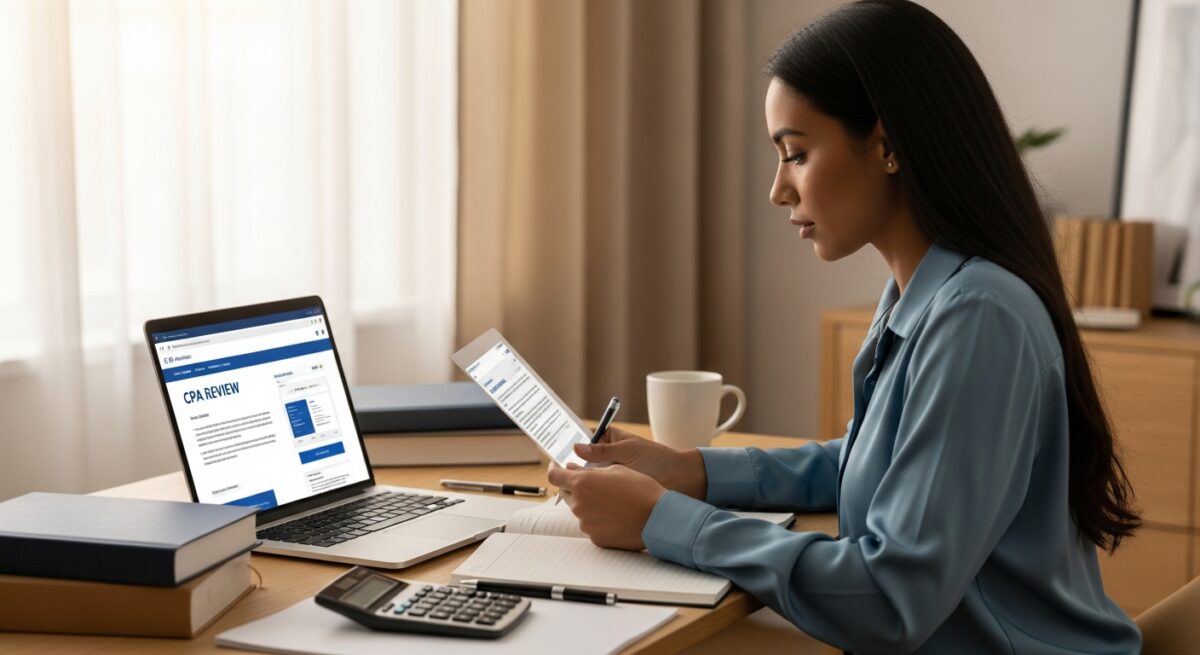
Becoming a Certified Public Accountant (CPA) is one of the most respected achievements in the accounting field. It opens doors to higher salaries, leadership roles, and career stability. However, the path to earning this credential requires rigorous study and a deep understanding of complex financial principles. For working professionals and career changers, finding the time to attend traditional classes can be a major obstacle. This is where online CPA courses and certification preparation resources become invaluable. They offer the flexibility to study on your own schedule while still providing the structured curriculum needed to pass the CPA exam.
This guide serves as a comprehensive resource for anyone considering this path. We will explore the core components of CPA exam preparation, the benefits of choosing a digital learning environment, and the steps you can take to maximize your study efforts. Whether you are just starting your research or are ready to enroll in a program, understanding the landscape of accounting certification courses is the first critical step toward achieving your goal.
Understanding the CPA Exam and Its Core Requirements
The CPA exam is not a single test but a comprehensive assessment divided into four distinct sections. Each section tests a different area of accounting knowledge and professional skills. The four sections are Auditing and Attestation (AUD), Business Environment and Concepts (BEC), Financial Accounting and Reporting (FAR), and Regulation (REG). Candidates must pass all four sections within an 18-month rolling window to earn their certification. This structure demands a strategic approach to studying, as each section covers a vast amount of material.
Before you can even register for the exam, you must meet specific educational requirements. These vary by state but generally include a minimum of 150 semester hours of college education, which is 30 hours beyond a typical four-year bachelor’s degree. Many candidates pursue a master’s degree in accounting to fulfill this requirement. Additionally, most states require a certain number of accounting and business-related coursework hours. It is essential to check the specific requirements of the state board of accountancy where you plan to practice. Understanding these prerequisites early in your journey will help you choose the right online CPA courses and degree programs to meet those standards.
The Advantages of Online CPA Training and Certification Prep
Choosing online CPA training over a traditional classroom setting offers several distinct advantages, especially for adult learners who are balancing work and family commitments. The most significant benefit is flexibility. With online courses, you can access lecture videos, practice questions, and study materials at any time of day or night. This allows you to fit your study sessions around your existing schedule, whether that means studying early in the morning or late in the evening.
Another key advantage is the ability to learn at your own pace. Many online programs allow you to repeat lectures, pause difficult concepts, and accelerate through material you already understand. This personalized learning experience can lead to better retention of information. Furthermore, reputable online programs often provide access to a wealth of digital resources, including simulated exams, interactive textbooks, and performance tracking tools. For those exploring accounting certification courses, the combination of flexibility and robust digital tools makes online preparation a highly effective option. If you are interested in a broader look at degree options, our guide on Best Online Accounting Courses: Certification and Career Paths provides additional context for building your educational foundation.
Cost-Effectiveness and Accessibility
Online courses often come with a lower price tag than in-person review classes. You save on commuting costs, parking fees, and sometimes even course materials, as many are provided digitally. Many providers also offer payment plans, making the investment more manageable. Additionally, online programs remove geographical barriers. You can enroll in a course taught by a top instructor from anywhere in the country, giving you access to high-quality education regardless of your location. This accessibility is particularly valuable for those in rural areas or for professionals who travel frequently.
Key Features to Look for in Online CPA Review Courses
Not all online CPA courses are created equal. To ensure you are getting the best possible preparation, you should evaluate potential programs based on several critical features. The quality of the instructors is paramount. Look for courses taught by CPAs or professors with extensive experience in accounting education. Their ability to explain complex topics clearly can make a significant difference in your understanding.
A robust question bank is another non-negotiable feature. The CPA exam is heavily focused on application, so you need thousands of multiple-choice questions and task-based simulations to practice with. The best programs offer adaptive learning technology that identifies your weak areas and generates targeted practice sets. Additionally, look for programs that include full-length simulated exams that mimic the actual test environment. These simulations help you build stamina and get comfortable with the computer-based testing format. Here are some other essential features to consider:
- Mobile accessibility: The ability to study on your phone or tablet during a commute or lunch break can add hours of productive study time each week.
- Progress tracking: Dashboards that show your performance by topic and section help you stay focused on areas that need improvement.
- Unlimited access: Some programs offer access until you pass, which can be a valuable safety net if you need to retake a section.
- Customer support: Responsive technical support and access to instructors for questions can prevent frustrating delays in your study plan.
Selecting a course that aligns with your learning style is just as important as its content library. Some students prefer detailed video lectures, while others learn best by reading textbooks or working through problems. Many top-tier programs now offer a blended approach, giving you access to all formats. This flexibility allows you to switch between methods as needed, keeping your study routine fresh and effective.

Creating a Structured Study Plan for CPA Success
Passing the CPA exam requires discipline and a well-organized study plan. Most successful candidates dedicate between 300 and 400 total hours of study time across all four sections. This means you need to allocate a specific number of hours each week and stick to that schedule. A common strategy is to study for one section at a time, taking the exam for that section before moving on to the next. This focused approach prevents the material from blending together and reduces overwhelm.
Your study plan should include a mix of reading, watching lectures, and solving practice problems. A good rule of thumb is to spend about 20 percent of your time on new content and 80 percent on practice and review. Active learning, where you are constantly testing yourself, is far more effective than passive reading. Many online CPA courses provide built-in study planners that can help you build a schedule based on your target exam date. These planners automatically adjust your daily tasks based on the time you have available, taking the guesswork out of planning. For adult learners, integrating this plan with your work and personal life is crucial. Consistent, shorter study sessions are often more productive than cramming for long hours on weekends.
Navigating the Application and Testing Process
Once you have completed your coursework and feel prepared, the next step is the application process. This involves submitting your transcripts and fees to your state board of accountancy for approval. After approval, you will receive a Notice to Schedule (NTS), which allows you to book your exam appointments at a Prometric testing center. The NTS is typically valid for six months, so plan your study schedule to align with this window.
On test day, you should arrive early with proper identification. The exam is computer-based and includes multiple-choice questions, task-based simulations, and written communication tasks (for the BEC section). You will be given a set amount of time for each testlet, and you can take a short break between testlets. Managing your time during the exam is critical. Do not spend too long on any single question. If you are unsure, make an educated guess and mark it for review if time permits. After completing the exam, you will receive your score on a predetermined release date set by the AICPA. For more details on how to choose the right educational path for your career, you can explore additional resources at CollegeDegrees.School.
Frequently Asked Questions
How long does it take to complete online CPA courses and pass the exam?
The timeline varies per individual, but most candidates spend 12 to 18 months completing their review courses and passing all four sections. Full-time students can sometimes finish faster, while working professionals often take longer due to limited study hours.
Are online CPA courses accepted by all state boards of accountancy?
Yes, as long as the course provider is reputable and the program covers the required topics. State boards care about the content and credits earned, not the delivery method. Always verify your specific state’s requirements for education and residency.
Can I study for the CPA exam while working full-time?
Absolutely. Many candidates successfully balance work and study. The key is to create a realistic schedule and stick to it. Online CPA courses are designed specifically for this purpose, offering flexible access to materials. Dedicate 15 to 20 hours per week to study, and you can progress steadily.
What is the pass rate for online CPA review courses compared to in-person classes?
Pass rates are generally comparable between high-quality online and in-person courses. The most important factor is not the delivery method but the amount of time you spend on active practice and review. Top online programs often have pass rates exceeding 80 percent for their students.
Final Thoughts on Your CPA Journey
Earning your CPA certification is a demanding but highly rewarding endeavor. The flexibility and depth of modern online CPA courses and certification preparation tools have made this goal more achievable than ever for working professionals and adult learners. By carefully selecting a program that matches your learning style, creating a disciplined study plan, and understanding the exam requirements, you can position yourself for success. The investment you make in your education today will pay dividends throughout your career, opening doors to opportunities in public accounting, corporate finance, and beyond. Take the first step by researching accredited programs and finding the path that works best for your life and goals.