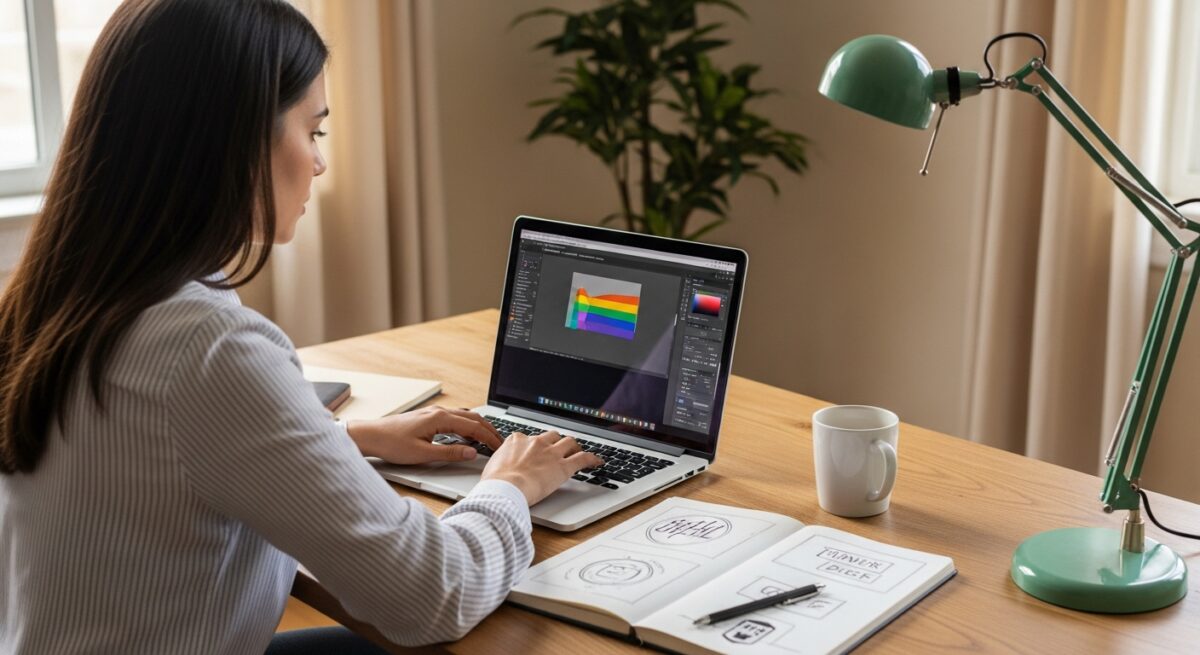
Graphic design is one of the most accessible and rewarding creative fields to enter today. Whether you are a working professional looking for a career pivot or a recent graduate seeking flexible training, the right online course can transform your skillset without requiring a full campus commitment. With hundreds of options available, finding the best online graphic design courses for your specific goals can feel overwhelming. This article breaks down the top programs, what to look for in a course, and how to choose the path that fits your schedule and budget.
What Makes an Online Graphic Design Course Worth Your Time?
Not all graphic design classes online deliver the same value. The best courses combine practical software training with design theory, portfolio projects, and instructor feedback. You want a program that teaches industry-standard tools like Adobe Photoshop, Illustrator, and InDesign, but also covers foundational principles such as color theory, typography, layout, and user experience. Look for courses that offer a certificate upon completion, especially if you plan to use the credential for job applications or promotions. Accreditation matters: if you are considering a degree program, ensure the institution holds regional accreditation. For short-term certificates, check that the course provider has a strong reputation among employers. Many of the best online graphic design courses also include career support, such as resume reviews or job placement assistance, which can significantly shorten your path to employment.
Top-Rated Online Graphic Design Courses for 2026
We have evaluated dozens of programs based on curriculum quality, instructor expertise, student reviews, and cost. Here are the standout options across different budget levels and time commitments.
1. Coursera: Graphic Design Specialization (CalArts)
Offered by the California Institute of the Arts, this five-course series is one of the most respected online credentials in the field. It covers image making, typography, shape and color, and composition. Each course includes hands-on projects that build a portfolio piece. The specialization takes about six months to complete at a pace of five hours per week. Coursera offers a free audit option, and the paid certificate costs around $49 per month. This is an excellent choice for learners who want a university-backed credential without the full degree price tag.
2. LinkedIn Learning: Become a Graphic Designer
LinkedIn Learning provides a learning path that includes multiple courses on design principles, Adobe Creative Cloud tools, and branding. The path is self-paced and includes downloadable exercise files. A monthly subscription costs about $29.99, and your completed certificates appear on your LinkedIn profile, which can attract recruiters. This option is ideal for busy professionals who need bite-sized lessons they can fit into a lunch break.
3. Skillshare: Graphic Design Basics by Ellen Lupton
Skillshare offers a wide range of design classes, but Ellen Lupton’s Graphic Design Basics stands out for its clear, theory-driven approach. Lupton is a renowned author and curator, and her class covers core concepts like hierarchy, grids, and visual storytelling. Skillshare operates on a subscription model (around $32 per month or $168 per year) with a free trial available. This platform is great for creative exploration and short, project-based learning.
4. Udemy: The Complete Graphic Design Theory for Beginners
Udemy courses often go on sale for as low as $14.99, making them one of the most affordable ways to start. This particular course covers design theory in depth, including color psychology, typography rules, and layout strategies. It includes 11 hours of on-demand video and downloadable resources. While Udemy certificates are not accredited, they are valuable for personal development and building a portfolio. This is a solid choice for budget-conscious learners who want a thorough theoretical foundation.
5. Shillington School: Online Graphic Design Course
Shillington is a dedicated design school that offers a rigorous, full-time online program. It runs for three months full-time or nine months part-time. The curriculum is project-heavy and mimics a real studio environment. Students receive live feedback from industry-experienced teachers. Tuition is higher (around $12,000), but graduates often land jobs quickly due to the intensive portfolio and networking opportunities. This is best suited for those who can commit significant time and money for a fast career transition.
Key Features to Compare When Choosing a Course
Before enrolling, evaluate each program against these criteria to ensure it aligns with your learning style and career goals.
- Curriculum depth: Does it cover both theory and software? Look for modules on design thinking, branding, and user interface design in addition to tool tutorials.
- Portfolio projects: The best courses require you to create real-world projects (logos, brochures, websites) that you can show to employers.
- Instructor access: Can you ask questions and receive personalized feedback? Live critique sessions are a major advantage.
- Certificate type: Is it accredited or recognized by industry bodies? Verify whether the credential will be accepted by employers in your target field.
- Flexibility: Self-paced courses work better for full-time workers, while cohort-based courses offer accountability and peer support.
Comparing these features side by side will help you narrow down the best online graphic design courses for your situation. For example, if you need maximum flexibility and a low price, a Udemy or Skillshare course might be your best bet. If you want a credential that carries weight with employers, consider the CalArts specialization on Coursera or a certificate from a respected institution.
How to Choose the Right Graphic Design Classes Online for Your Career Path
Your choice should depend on your current skill level, available time, and career objectives. Beginners should start with a broad foundational course that covers design principles and basic software skills. Intermediate learners can jump straight into specialization tracks, such as UX/UI design or motion graphics. If you are planning to work as a freelance designer, prioritize courses that teach client management, pricing, and marketing alongside design skills. For those aiming at in-house or agency roles, a certificate from a well-known provider (like Coursera or LinkedIn Learning) can strengthen your resume. Our guide on Graphic Design Schools Online Programs and Admission Guide provides additional insight into how online programs compare to traditional degrees and what admissions requirements you should expect.

Free vs. Paid Courses: Which Is Better?
Free graphic design classes online can be a great starting point, especially if you are unsure about committing to the field. Platforms like YouTube, Canva Design School, and Adobe’s own tutorials offer high-quality introductory content at no cost. However, free courses typically lack structured feedback, peer interaction, and a recognized certificate. Paid courses often include these elements, which can accelerate your learning and make you more competitive in the job market. A practical approach is to begin with free tutorials to test your interest, then invest in a paid certificate once you confirm that graphic design is the right path for you. Many of the best online graphic design courses offer free trials or money-back guarantees, allowing you to evaluate the teaching style before paying.
Building a Portfolio While You Learn
A strong portfolio is more important than any certificate. Employers want to see your ability to solve visual problems, not just your completion of a course. As you work through your chosen program, treat every project as a portfolio piece. Redesign a real brand’s logo, create a mock website homepage, or design a series of social media graphics for a fictional client. Document your process from brief to final design. Many online courses include portfolio reviews as part of the curriculum. Take advantage of these to refine your presentation. A portfolio with 5 to 8 strong, varied projects will open more doors than a transcript full of grades.
Financial Aid and Employer Sponsorship Options
Cost should not be a barrier to quality education. Many online course providers offer financial aid. Coursera, for example, provides full scholarships for learners who demonstrate financial need. Some employers also offer tuition reimbursement or professional development budgets that can cover the cost of graphic design classes online. Check with your human resources department before enrolling. Additionally, community colleges often offer online certificate programs at lower tuition rates than private platforms. These programs may qualify for federal financial aid if you enroll as a degree-seeking student. Exploring these options can significantly reduce your out-of-pocket expense while still giving you access to high-quality instruction.
Frequently Asked Questions
Can I become a graphic designer with only online courses?
Yes, many successful graphic designers have built their careers entirely through online learning. The key is to combine course knowledge with consistent practice, a strong portfolio, and networking. Employers care more about your skills and past work than where you studied.
How long does it take to complete an online graphic design course?
Short courses on platforms like Skillshare or Udemy can be finished in a few days or weeks. Comprehensive specializations (like the CalArts program on Coursera) take about six months. Full-time bootcamps like Shillington take three months. Part-time options can extend to nine months or more.
Are online graphic design certificates worth it?
Certificates from reputable providers add credibility to your resume, especially if you have no prior design education. However, they are not a substitute for a strong portfolio. Use the certificate to get your foot in the door, but let your work speak for itself during interviews.
Do I need to know how to draw before taking a graphic design course?
No, drawing is not a prerequisite for most graphic design courses. The field relies more on composition, color, and typography than illustration. However, basic sketching can help you brainstorm ideas quickly, and some courses include optional drawing exercises.
Which software do most online courses teach?
Adobe Creative Cloud (Photoshop, Illustrator, InDesign) is the industry standard. Most comprehensive courses cover these three tools. Some also teach Figma for UI/UX design, Canva for quick social graphics, and After Effects for motion design. Focus on courses that teach the tools used in your target industry.
Choosing the best online graphic design courses requires matching the program’s strengths to your personal goals, budget, and schedule. Start by identifying whether you need a broad foundation or a specialized skill. Take advantage of free trials and audits to test a few platforms before committing. And remember that the most successful designers never stop learning. The field evolves constantly, and the best graphic design classes online will give you both the technical skills and the creative confidence to grow with it. DegreeOnline.Education can help you compare accredited online programs and find the right educational path for your future in design.