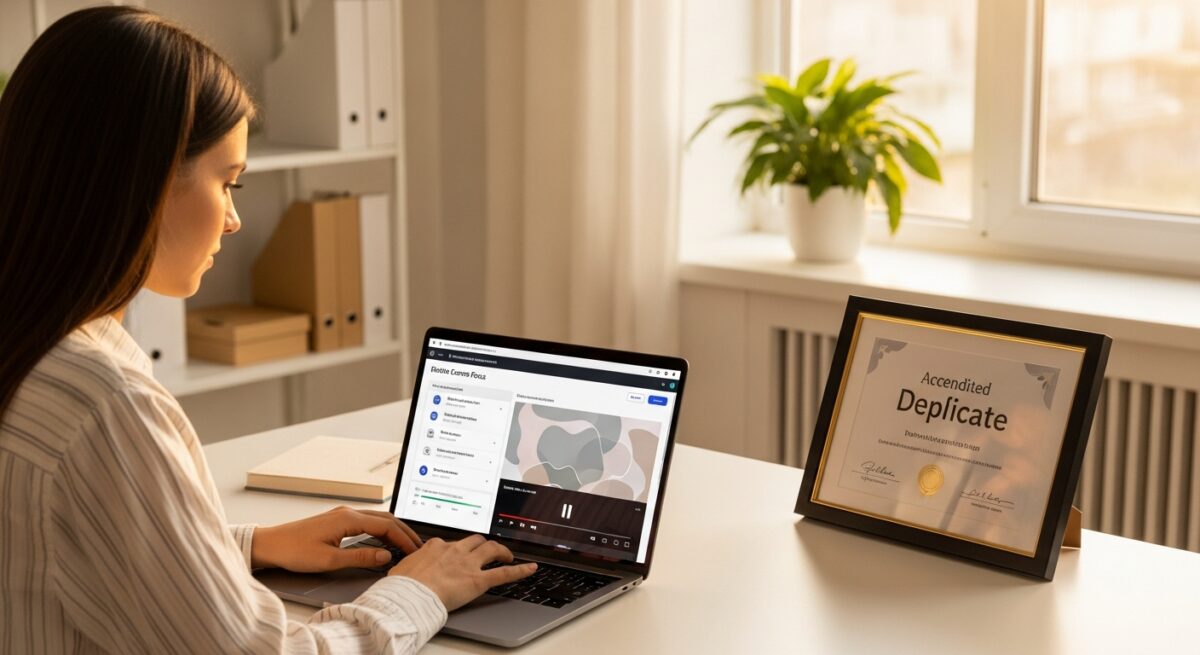
The concept of a ‘campus’ has been radically redefined. Gone are the days when higher education was confined to physical lecture halls and sprawling quads. Today, the digital campus is a vibrant, accessible, and powerful ecosystem where learning happens on your terms. Digital campus courses represent the core of this transformation, offering accredited, structured academic programs delivered entirely online through sophisticated virtual learning environments. These are not mere supplementary materials or casual video lectures; they are comprehensive, degree-bearing educational experiences designed to provide the same rigor and recognition as their on-campus counterparts, but with the flexibility modern life demands.
The Anatomy of a Digital Campus
A digital campus is far more than a website hosting PDFs. It is an integrated platform that replicates and often enhances the key functions of a traditional university. At its heart are the digital campus courses themselves, which are built using a Learning Management System (LMS) like Canvas, Blackboard, or Moodle. This virtual space becomes your classroom, library, professor’s office hours, and student union all in one. The structure is intentional: weekly modules organize content, assignments are submitted digitally, discussions unfold in forums, and grades are tracked in real-time. This creates a coherent and structured learning journey, crucial for student success in a remote setting.
The quality of these programs is underpinned by accreditation. Reputable institutions ensure their online offerings meet the same standards as on-campus programs. This means the curriculum, faculty credentials, and student support services are rigorously evaluated. When exploring options, verifying regional accreditation is a non-negotiable first step, as it guarantees the value and transferability of your credits and degree.
Key Benefits of Enrolling in Digital Campus Programs
The shift toward digital learning is driven by profound advantages that address the limitations of traditional education. The most celebrated benefit is unparalleled flexibility. Students can access course materials, view lectures, and participate in discussions at times that fit their work schedules and personal commitments. This asynchronous model is a game-changer for working professionals, parents, and those with geographical constraints.
Beyond convenience, digital campus courses often foster a unique depth of engagement. Online discussion boards can encourage more thoughtful, reflective participation from students who may be hesitant to speak up in a large lecture hall. The digital format also naturally integrates multimedia resources, interactive simulations, and instant access to a global library of information. Furthermore, these programs can be more cost-effective, eliminating expenses related to commuting, campus housing, and often offering digital textbooks at a lower cost.
To maximize these benefits, a successful online student should cultivate specific strategies:
- Proactive Time Management: Treat your online course schedule like a professional commitment. Block dedicated, distraction-free time in your calendar for reading, assignments, and forum participation.
- Engage Relentlessly: Actively contribute to discussions, ask questions in live sessions or via email, and form virtual study groups. Engagement is the antidote to isolation in a digital campus.
- Master the Technology: Before your course begins, familiarize yourself with the LMS, video conferencing tools, and any specialized software required. Technical confidence removes a major barrier to learning.
- Communicate with Instructors: Build a relationship with your professors by introducing yourself and seeking clarification when needed. They are your guides on this digital journey.
Choosing the Right Digital Campus for Your Goals
With countless institutions offering online programs, selecting the right one requires careful research. Your choice should align directly with your academic and career objectives. Start by identifying programs that are specifically strong in your field of interest. For instance, if you’re aiming for a career in business leadership, an online business administration degree from an accredited school provides a direct pathway. Similarly, fields like digital marketing or healthcare administration have specialized online degrees designed to build industry-specific expertise.
Beyond the program name, investigate the details. Scrutinize the curriculum to ensure it covers contemporary knowledge and practical skills. Research the faculty: are they experienced practitioners and scholars in their field? Evaluate student support services, such as access to online tutoring, career counseling, and technical help desks. Finally, consider the logistics: is the program fully asynchronous, or does it require scheduled live sessions? Understanding these nuances, as detailed in resources like our guide on navigating digital courses, is essential for finding a program that fits your life and learning style.
The Future of Learning on a Digital Campus
The evolution of digital campus courses is continuous and exciting. We are moving beyond simple video lectures and text-based forums toward more immersive and personalized experiences. Adaptive learning technologies are beginning to tailor course content and pacing to individual student performance, providing extra practice where needed and allowing others to advance more quickly. Micro-credentials and digital badges, earned by completing specific skill-focused courses, are becoming integrated into larger degree programs, allowing learners to showcase competencies to employers incrementally.
Furthermore, the line between different types of online offerings is blurring. Many traditional universities now allow students to supplement their on-campus schedules with digital campus courses from their own or other institutions. Platforms offering free, non-credit courses are partnering with accredited universities to create pathways to full degrees. This creates a more modular, stackable, and accessible higher education landscape where learners can build their qualifications over time in a way that was previously impossible.
Digital campus courses have moved from an alternative to a mainstream, powerful modality for earning a degree. They represent a commitment to making high-quality education adaptable, inclusive, and responsive to the needs of a digital world. By choosing an accredited program and approaching it with discipline and engagement, you can leverage the digital campus to achieve your educational ambitions without putting your life on hold. The future of learning is not a place you go, but an experience you access, and it is already here.