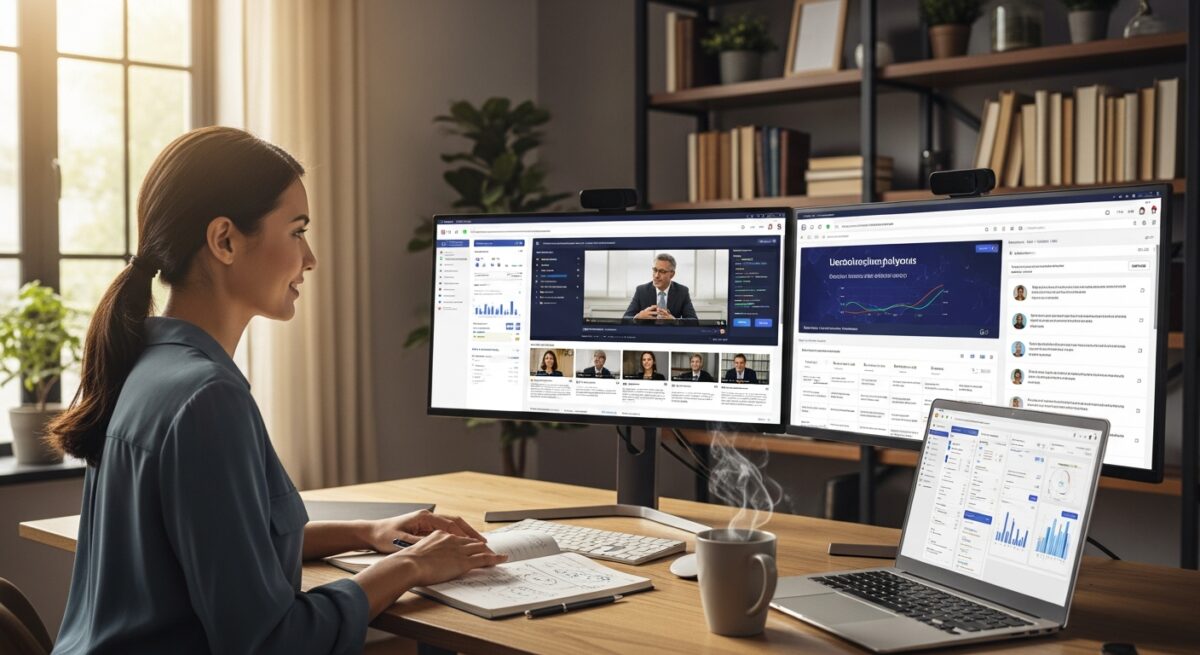
Imagine earning a bachelor’s degree from a respected university or a specialized master’s from a top program, all from your living room or local coffee shop. This is the reality made possible by accredited virtual degree courses, which have evolved from a niche alternative into a mainstream, rigorous pathway for higher education. These programs dismantle geographical and logistical barriers, offering a flexible, comprehensive educational experience that mirrors the quality of on-campus instruction. For working professionals, parents, military personnel, and lifelong learners, virtual degrees provide the key to career transition, advancement, and personal growth without putting life on hold.
Defining the Modern Virtual Degree Experience
Virtual degree courses, often used interchangeably with “online degrees,” represent a complete educational program delivered primarily through digital platforms. Unlike simple online classes, a full degree program offers a structured curriculum leading to an accredited credential, be it an associate, bachelor’s, master’s, or doctoral degree. The core distinction lies in the integration of technology to create a cohesive learning community. Students access lectures, participate in discussions, submit assignments, collaborate on projects, and even attend virtual office hours via Learning Management Systems (LMS) like Canvas or Blackboard. The best programs are not mere correspondence courses; they are dynamic, interactive, and designed for digital engagement, ensuring students master the same competencies as their on-campus peers.
This model has gained immense credibility, with prestigious institutions from public state universities to Ivy League schools now offering robust online options. The acceptance by employers has followed suit, especially when the degree comes from an accredited institution. The value is no longer in the delivery method but in the content, accreditation, and outcomes. Whether you’re exploring online business administration degree programs or specialized fields, the virtual format has proven its merit across disciplines.
Critical Advantages of Pursuing a Degree Online
The benefits of virtual degree courses extend far beyond simple convenience. They fundamentally reshape the educational experience to fit modern lives. The most significant advantage is unparalleled flexibility. Students can typically access course materials and complete assignments on their own schedule within set weekly deadlines. This asynchronous learning model is ideal for those balancing full-time jobs, family responsibilities, or irregular work hours. It eliminates the need for long commutes, relocation, or rigid class schedules, making higher education accessible to a vastly broader demographic.
Furthermore, virtual programs often provide a more personalized learning journey. Digital platforms can offer varied content formats—video, interactive simulations, podcasts, and text—catering to different learning styles. Students can review lecture recordings as needed, ensuring they grasp complex concepts. The virtual environment can also foster rich, text-based discussions where every student has a voice, often leading to more thoughtful and inclusive participation than in a hurried physical seminar. From a practical standpoint, online degrees can also be more cost-effective, saving on commuting, campus housing, and sometimes even offering lower tuition rates for online students.
Selecting the Right Program: A Framework for Success
With countless options available, choosing the right virtual degree program requires careful vetting. A strategic approach ensures you invest your time and money in a credential that will deliver real returns. Your decision should be guided by a few non-negotiable criteria.
First and foremost is institutional and programmatic accreditation. Accreditation is the cornerstone of legitimacy and quality assurance. Regional accreditation is the gold standard for institutions in the U.S. Always verify accreditation status directly through the institution’s website and databases like the Council for Higher Education Accreditation (CHEA). This step protects you from diploma mills and ensures your degree will be recognized by employers and other universities. For more on this crucial step, our resource on how to verify the legitimacy of online degrees provides a detailed checklist.
Beyond accreditation, consider these key factors in your evaluation:
- Faculty Credentials and Involvement: Who teaches the courses? Are they the same professors who teach on campus? Look for faculty with both academic expertise and relevant real-world experience.
- Student Support Services: A strong program offers dedicated online academic advising, career counseling, technical support, and access to digital libraries and tutoring.
- Technology and Interaction: Assess the LMS platform. Does it facilitate easy interaction with peers and instructors? Are there opportunities for live sessions (synchronous learning) or collaborative projects?
- Career Outcomes and Alumni Networks: Research the program’s reputation among employers. Does the university have a strong career services department that actively engages online graduates?
For those in technical fields, evaluating a program’s rigor is especially important. For instance, when considering the best online CS degrees, you’d want to scrutinize the curriculum’s depth in programming, systems, and theory, and the opportunities for hands-on projects.
Popular and In-Demand Virtual Degree Pathways
The breadth of virtual degree courses available today is staggering, covering nearly every academic and professional field. Certain areas have seen particularly high demand and development in the online format. Business and management remain perennial favorites, with online MBAs and bachelor’s in business administration being highly sought after for their direct career applicability. Healthcare administration is another rapidly growing field, as the complex healthcare system needs skilled leaders who can often earn their degrees in health administration while working in the sector.
Education is a cornerstone of online learning, perfect for practicing teachers seeking advancement. Aspiring and current educators can pursue everything from a Degree in Elementary Education to advanced roles like a Curriculum Specialist Degree entirely online. The fields of technology and digital media continue to explode, with degrees in computer science, information technology, and digital marketing offering pathways to high-growth careers. For those interested in public safety and strategic management, specialized programs like online degrees in emergency management provide critical training for leadership roles in crisis response.
Maximizing Your Experience in a Virtual Classroom
Success in a virtual degree program demands a different set of skills than a traditional classroom. Proactive engagement and self-discipline are paramount. Start by treating your online study like a professional commitment. Create a dedicated learning space and establish a consistent weekly schedule for reading, watching lectures, and working on assignments. Time management is critical; use digital calendars and task managers to break down larger projects and avoid last-minute cramming.
Actively participate in discussion forums. These are not just for grades; they are your primary classroom for exchanging ideas, debating concepts, and building relationships with peers. Introduce yourself early, ask questions, and provide substantive responses to others. Don’t hesitate to reach out to your instructors via email or virtual office hours. Building that connection can lead to mentorship, stronger letters of recommendation, and a deeper understanding of the material. Finally, leverage all the resources your institution provides, from online writing labs to career webinars. The students who thrive are those who engage fully with the entire digital campus ecosystem.
The landscape of higher education has been permanently transformed by virtual degree courses. They offer a legitimate, flexible, and powerful avenue for achieving academic and professional goals. By carefully selecting an accredited program that aligns with your career aspirations and committing to engaged, disciplined participation, you can earn a credential that commands respect and opens doors. The virtual classroom is no longer the future of education; it is a vital and effective part of its present.