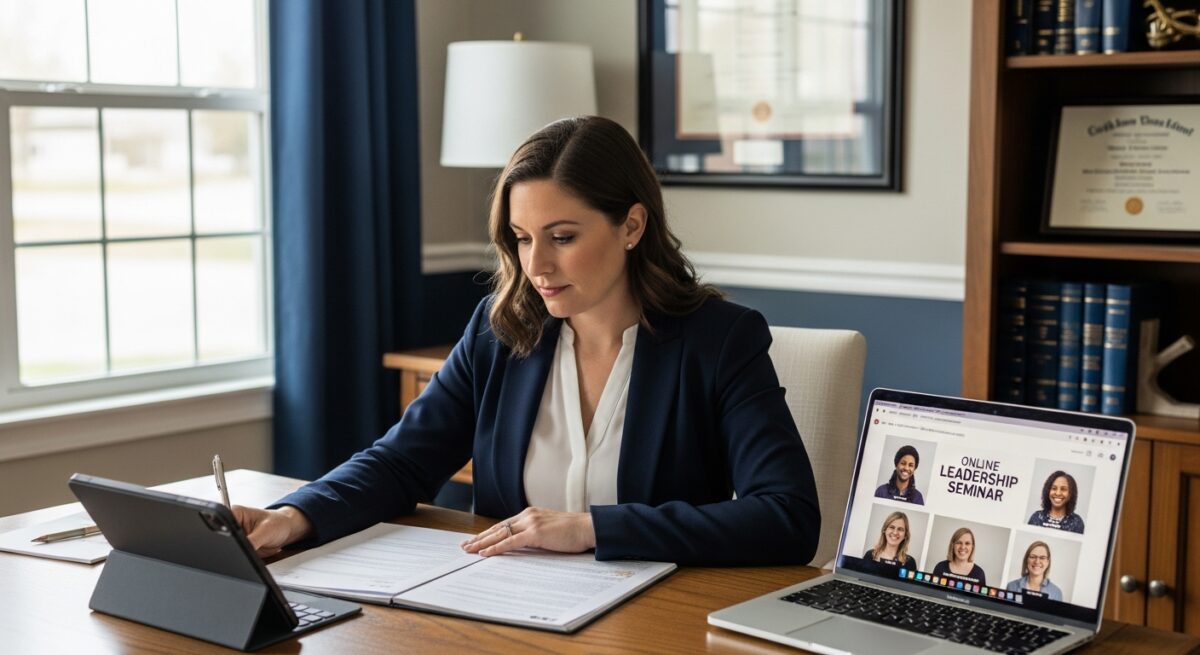
Imagine advancing your education, earning a respected degree from a prestigious university, and building your skills for career progression, all without the need to relocate, commute, or radically disrupt your current life. This is the transformative promise of distance academic courses, which have evolved from simple correspondence packets into dynamic, interactive, and fully-accredited degree programs. Today’s digital campus offers a legitimate, rigorous, and flexible alternative to traditional on-campus study, serving everyone from working professionals and parents to military personnel and lifelong learners. Understanding how these programs function, their benefits, and how to select the right one is the first step toward unlocking a world of academic and professional opportunity.
The Evolution and Structure of Modern Distance Learning
Distance academic courses, often synonymous with online degrees or remote learning programs, represent a sophisticated delivery model for higher education. The core principle is the physical separation of the student from the instructor and campus, facilitated by technology. However, the “distance” is bridged by a rich digital ecosystem. Courses are typically hosted on a Learning Management System (LMS) like Canvas, Blackboard, or Moodle, which serves as the virtual classroom. Here, students access syllabi, video lectures, reading materials, discussion boards, and assignments. Modern programs emphasize asynchronous learning, allowing students to log in and complete coursework on their own schedule within weekly deadlines, though some may include synchronous elements like live video seminars or group project meetings. This structure demands a high degree of self-discipline and time management, but it grants unparalleled control over the learning environment. Accreditation is the critical backbone of any reputable distance academic program; regional accreditation ensures the degree holds the same value as its on-campus counterpart, a crucial factor for employers and future educational pursuits. For a deeper look at the mechanics of these virtual classrooms, our guide on how university online courses work provides a complete breakdown.
Key Advantages of Pursuing a Degree from a Distance
The benefits of enrolling in distance academic courses extend far beyond simple convenience. They fundamentally reshape the accessibility and personalization of higher education. The most cited advantage is flexibility, enabling students to maintain full-time employment, family responsibilities, or other commitments while studying. This also translates to significant cost savings by eliminating relocation expenses, campus fees, and commuting costs. Furthermore, the virtual nature of these programs opens access to a wider range of institutions; a student in a rural area can earn a degree from a top-tier university on the opposite coast. The diversity of the online classroom is another profound benefit, as discussion forums bring together perspectives from professionals across the country and globe, enriching the learning experience with real-world insights from various industries. For career-focused individuals, the ability to immediately apply classroom concepts in their current job creates a powerful, reinforcing loop between theory and practice.
To summarize, the primary benefits of high-quality distance academic courses include:
- Unmatched Flexibility: Study on your schedule, balancing education with work, family, and personal obligations.
- Geographic Freedom: Access top programs from anywhere with an internet connection, removing physical campus barriers.
- Career Continuity: Gain new credentials and skills without taking a career break, allowing for immediate application of knowledge.
- Cost Efficiency: Save on ancillary costs like housing, transportation, and campus facility fees often associated with traditional college.
- Diverse Networking: Connect with a cohort of peers from varied professional backgrounds and locations, expanding your professional network.
Selecting the Right Program for Your Goals
With the proliferation of online options, choosing the right distance academic course or full degree program requires careful research and self-assessment. The first and non-negotiable step is to verify accreditation. Only consider institutions that are regionally accredited, as this is the gold standard for academic quality and degree recognition. Next, align the program with your specific career objectives. Are you seeking a complete career change, a promotion in your current field, or the acquisition of a specific skill set? Investigate the curriculum thoroughly, faculty credentials, and any required in-person components, such as residencies, internships, or clinical placements, which are common in fields like nursing, teaching, and healthcare administration. For instance, someone interested in leadership might explore an online business administration degree, while a professional in public safety would be better served by specialized online degrees in emergency management.
It is also crucial to assess the level of student support services offered. A robust online program provides dedicated academic advising, technical support, career services, and access to digital libraries and tutoring. Finally, consider the learning format and technology requirements. Ensure you have the necessary hardware, software, and internet reliability to participate fully. Reaching out to admissions counselors and, if possible, current students or alumni can provide invaluable insights into the true student experience and outcomes. This due diligence process ensures you invest your time and resources into a program that will truly meet your long-term professional and personal aspirations.
Maximizing Success in a Virtual Learning Environment
Succeeding in distance academic courses requires a different set of strategies compared to a traditional classroom. Proactive engagement is paramount. This means actively participating in discussion forums, not as an afterthought, but as a core part of your learning. It involves regularly communicating with instructors via email or virtual office hours to clarify concepts and build rapport. Effective time management is the cornerstone of success; students must create a consistent study schedule, treat their online coursework with the same priority as a job or in-person class, and avoid the trap of procrastination that the flexible schedule can inadvertently encourage. Setting up a dedicated, organized study space free from distractions is also essential for maintaining focus.
Furthermore, leveraging all available resources is key. This includes utilizing online writing centers, library research databases, and study groups formed with classmates. Developing strong written communication skills is particularly important, as most interactions in an online course are text-based. By embracing these strategies, students transform from passive recipients of information into active drivers of their own educational journey. The self-discipline and technological fluency gained through this process are themselves valuable career assets in an increasingly digital and remote-work world.
The landscape of distance academic courses offers a viable, respected, and powerful pathway to achieving your educational goals. From foundational associate degrees to specialized graduate programs, the options are vast and continually evolving. By choosing an accredited program that aligns with your ambitions and committing to the engaged, disciplined approach required for online success, you can earn a meaningful credential that opens doors and accelerates your career, all designed to fit the life you already lead. The future of education is not confined to a physical campus; it is increasingly personalized, accessible, and delivered directly to you.