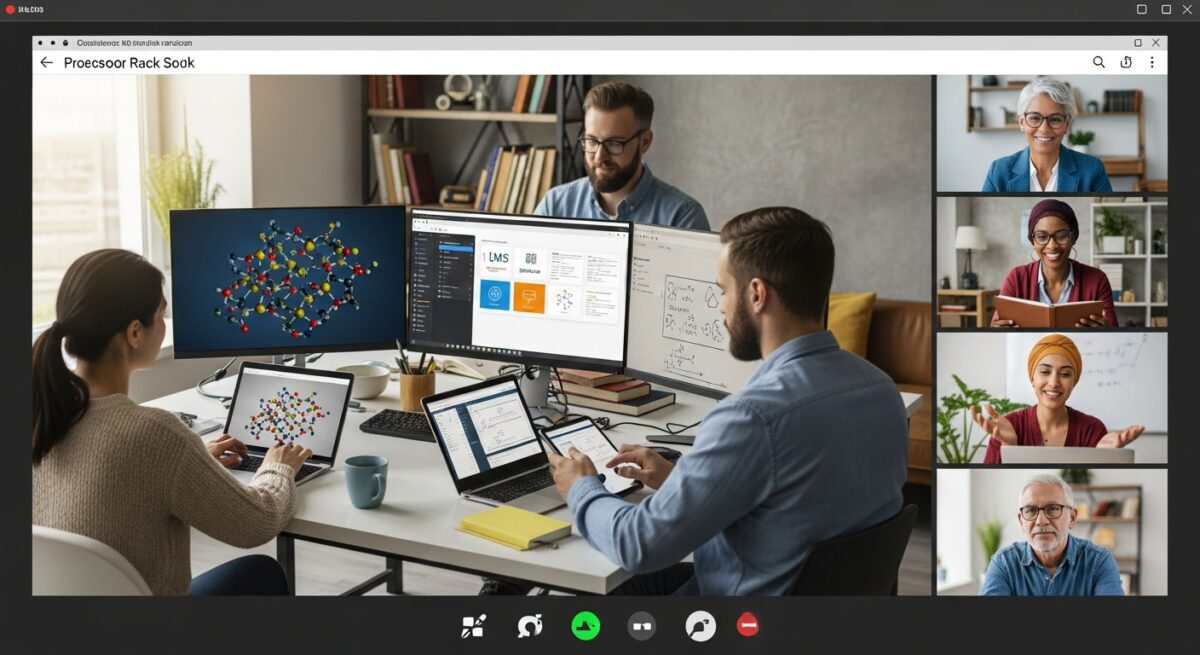
Imagine attending a lecture from a renowned professor, collaborating on a group project with classmates across time zones, and accessing a vast digital library, all without leaving your home. This is the reality of education through a virtual campus, a dynamic and sophisticated model that has moved far beyond simple online courses. Virtual campus degrees represent a complete, immersive academic ecosystem delivered digitally, offering rigorous, accredited programs designed for the modern learner. They provide the structure, community, and resources of a physical university, recreated in a flexible online format that fits your life, not the other way around.
The Core Components of a Virtual Campus Experience
A true virtual campus is more than a collection of video lectures and PDFs. It’s a purpose-built digital environment that replicates and often enhances the key facets of a traditional university. The foundation is a centralized Learning Management System (LMS), such as Canvas or Blackboard, which acts as your digital quad. This platform is where you access syllabi, submit assignments, take exams, and view grades. But the experience extends far beyond this hub. Synchronous live classes, held via video conferencing tools like Zoom, allow for real-time interaction with instructors and peers, fostering immediate discussion and Q&A. These are often supplemented by rich asynchronous materials, including pre-recorded lectures, interactive simulations, and digital textbooks, giving you control over when you engage with the core content.
Perhaps the most significant advancement is the intentional cultivation of community and networking. Virtual campuses facilitate this through dedicated discussion forums, virtual study groups, student organization portals, and even digital events like guest speaker series and career fairs. You might find yourself in a breakout room brainstorming a marketing plan with classmates from three different states or building a professional network on a program-specific LinkedIn group. Academic support is also embedded within the digital framework, with access to online tutoring, writing centers, library research databases, and virtual office hours with professors. This holistic approach ensures that support is just a click away, mirroring the on-campus student experience.
Weighing the Advantages and Challenges
The benefits of pursuing a degree on a virtual campus are substantial and cater to a growing demographic of learners. The most prominent advantage is unparalleled flexibility. You can structure your study time around work commitments, family responsibilities, or personal pursuits, accessing course materials at any hour. This inherently expands accessibility, removing geographical and often financial barriers related to relocation and commuting. For many students, this model can also be more affordable when factoring in savings on housing, transportation, and sometimes course materials. The nature of virtual collaboration also builds crucial digital literacy and self-discipline skills highly valued in today’s remote and hybrid workplaces.
However, this path is not without its demands. Success requires a high degree of self-motivation and time management. Without the structure of a physical classroom, it’s easy to fall behind if you are not proactive. Some learners may also find the lack of face-to-face interaction challenging, missing the spontaneous conversations and non-verbal cues of in-person learning. Furthermore, not all programs are created equal; some may have limited opportunities for hands-on practice, which is critical in fields like lab sciences or clinical healthcare. It’s essential to research how a program addresses these needs, perhaps through shipped lab kits, local practicum placements, or intensive on-campus residencies. For insights into verifying the quality of such programs, our resource on how to verify online degree legitimacy provides a useful framework.
Choosing the Right Virtual Campus Program
Selecting a virtual campus degree requires careful vetting to ensure you invest in a valuable and respected credential. Your first and most critical filter must be institutional and programmatic accreditation. Accreditation from a recognized regional body guarantees that the institution meets rigorous standards of quality and that your degree will be respected by employers and other universities. Next, scrutinize the program’s delivery and structure. Look beyond marketing claims and investigate the course format: What is the blend of live versus self-paced work? How are students assessed? What technology is required, and is support provided?
Investigate the level of student support and engagement offered. A strong program will provide clear points of contact for academic advising, technical support, and career services. Explore the faculty credentials: are they the same experts who teach on-campus? Finally, consider outcomes. Reputable programs will transparently share data on graduation rates, student satisfaction, and, where applicable, licensure exam pass rates or job placement statistics. For those interested in technology fields, which are particularly well-suited to online study, our analysis of the best online CS degrees highlights how top programs structure their virtual offerings.
To effectively compare programs, focus on these key areas:
- Accreditation Status: Confirm regional accreditation and any specialized program accreditation (e.g., AACSB for business, CAEP for education).
- Student Support Services: Availability of online tutoring, library access, career counseling, and a dedicated advisor.
- Faculty Interaction: Opportunities for live office hours, feedback on assignments, and mentorship.
- Technology & Resources: Quality of the LMS, inclusion of software licenses, and access to necessary digital tools.
- Alumni & Career Network: Strength of the program’s reputation among employers and active alumni engagement.
The Future of Learning in a Digital World
Virtual campus degrees are not a temporary alternative but a permanent and evolving pillar of higher education. As educational technology advances, we can expect these platforms to become even more immersive and interactive. The integration of virtual and augmented reality could create simulated labs and collaborative spaces that feel tangibly real. Artificial intelligence may offer personalized learning pathways, adapting content to individual student needs and providing instant feedback. These innovations promise to further bridge the experiential gap between physical and digital campuses.
The respect for virtual campus degrees among employers continues to grow, especially as accreditation standards tighten and prestigious universities expand their online portfolios. The key differentiator is no longer the delivery method but the quality of the institution and the rigor of the program. A degree earned through a rigorous virtual campus from an accredited university signals not only subject-matter expertise but also the discipline, tech-savviness, and self-direction that are assets in the modern economy. For career-changers, working professionals, and lifelong learners, the virtual campus offers a legitimate, powerful, and accessible pathway to achieving educational and professional goals without putting life on hold.