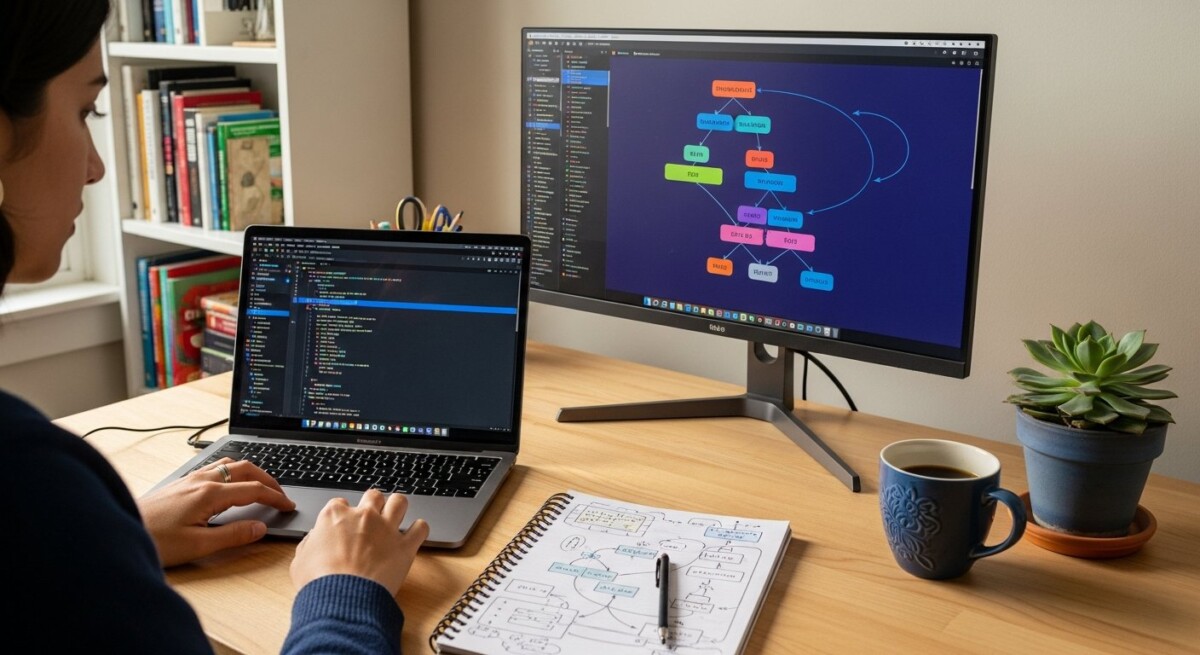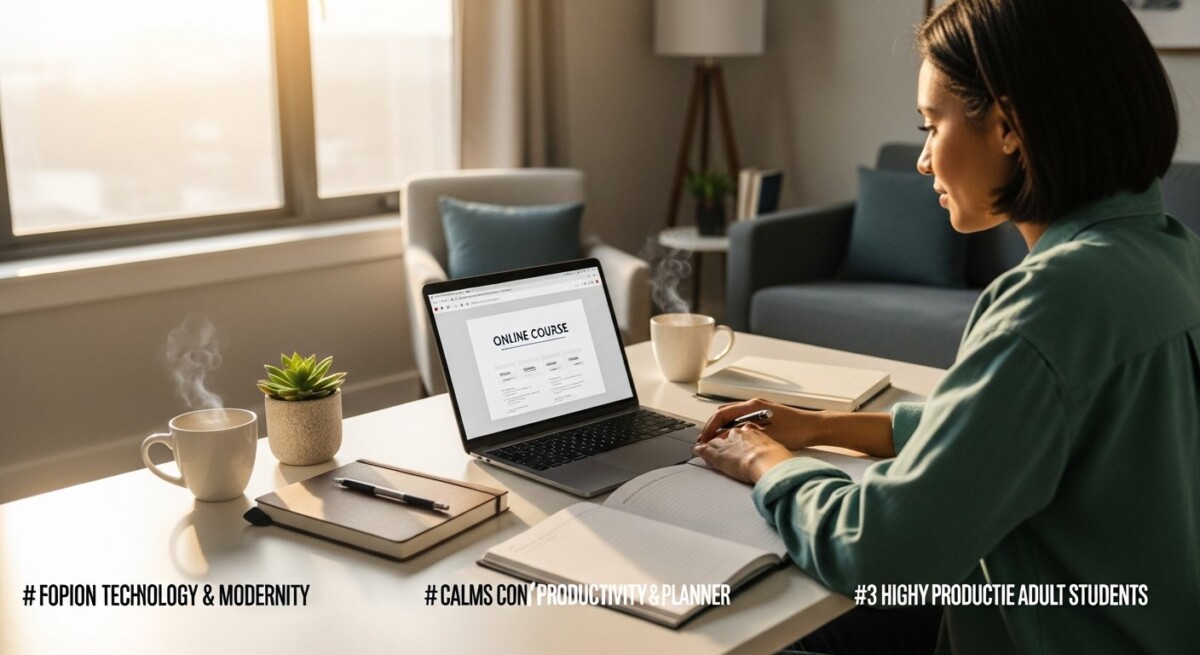
The modern student is often not just a student. You might be a parent, a professional seeking advancement, or someone building a new career from the ground up. The question “can I work while studying online” is not just about feasibility, it’s about strategy. The short answer is a resounding yes, and in fact, the flexibility of online education is designed for this very purpose. However, the path to successfully managing both responsibilities requires careful planning, clear communication, and the right mindset. This comprehensive guide will walk you through the realities, strategies, and tools you need to not only manage this dual role but to thrive in it, turning your ambition into a sustainable and rewarding reality.
The Reality of Juggling Work and Online Classes
Before diving into strategies, it’s crucial to set realistic expectations. Working while pursuing an online degree is entirely possible, but it is not without its challenges. The primary advantage of online learning is asynchronous flexibility: you can often watch lectures, participate in discussions, and complete assignments on your own schedule, not at a set class time. This is what makes employment possible. However, this flexibility demands a high degree of self-discipline. There is no physical classroom to attend, which means you must create your own structure. You will need to proactively manage your time, energy, and focus. The overlap can lead to periods of high stress, especially during exam weeks or when major projects are due at work and school simultaneously. Understanding this landscape is the first step toward navigating it successfully. The key is to view your work and study not as competing forces, but as complementary components of your overall professional development.
Crafting Your Personal Management System
The cornerstone of success is a robust, personalized management system. This goes beyond a simple to-do list. It’s an integrated approach to organizing all aspects of your life. Start with a centralized calendar, digital or physical, where every obligation lives. Block out your work hours as immovable. Then, treat your study time with the same respect: schedule specific, recurring blocks for reading, watching lectures, and working on assignments. These are non-negotiable appointments with yourself. Next, implement a task management system. Break down large academic projects (like a research paper) into smaller, actionable steps and schedule them across multiple weeks. This prevents the dreaded last-minute crunch. Finally, maintain a master list of all deadlines from all your course syllabi in one place, and review it weekly alongside your work priorities. This bird’s-eye view allows you to anticipate and mitigate conflicts before they become crises.
To build an effective routine, consider the following core components:
- Time Blocking: Dedicate specific hours each week solely to coursework, guarding them as you would a work meeting.
- The Two-Minute Rule: If a school-related task (e.g., emailing a professor, posting on a discussion board) takes less than two minutes, do it immediately to prevent small tasks from piling up.
- Weekly Planning Session: Every Sunday, review the upcoming week’s work and school demands, and plan your study blocks accordingly.
- Buffer Time: Intentionally schedule empty blocks to catch up on unexpected work tasks or more challenging academic material.
- Energy Alignment: Schedule demanding cognitive work (like writing or complex problem-solving) for when you are naturally most alert, and save passive tasks (like reading) for lower-energy periods.
This system is not static. You must regularly assess what is working and what isn’t. If you consistently miss study blocks in the evening, perhaps you need to try early morning sessions. The goal is to create a sustainable rhythm, not a perfect, rigid schedule that breaks at the first sign of real life.
Strategic Communication with Key Stakeholders
Your success hinges on clear communication with two critical groups: your employer/supervisor and your academic instructors. Transparency builds support and prevents misunderstandings. With your employer, you are not obligated to disclose that you are in school, but doing so strategically can be beneficial. Frame your education as an asset that will enhance your skills and value to the company. You might say, “I’m pursuing a certification in project management to improve my efficiency on our team’s initiatives.” This opens the door for potential flexibility, such as adjusting your schedule during finals week or using quiet time for study if your workload is light. Always assure your manager that your work responsibilities remain your top priority during work hours.
With your instructors and academic advisors, communication is equally vital. At the start of each term, review syllabi and note major deadlines. If you see a potential conflict with a known work commitment (e.g., a quarterly business trip), proactively email your professor to discuss it early. Most online instructors are accustomed to working with professionals and are often willing to offer a slight extension if asked respectfully and in advance. Do not wait until the day an assignment is due. Establish yourself as a conscientious student who plans ahead. This communication network creates a safety net and demonstrates maturity, turning potential obstacles into manageable situations.
Choosing the Right Online Program Structure
Not all online degrees are created equal when it comes to balancing a job. Your choice of program can significantly impact your ability to manage the load. When researching programs on resources like Degree Online Education, pay close attention to the structure. Accelerated programs, often 8 weeks per course, move quickly and require intense, focused time commitment each week. They are great for finishing faster but leave little room for error if work gets hectic. Traditional semester-based programs (15-16 weeks) offer a slower pace and more time to absorb material, which can be easier to balance with a full-time job over the long term.
Also, investigate the delivery mode. Are courses purely asynchronous, allowing you to complete work anytime? Or do they have synchronous elements, like mandatory live video sessions? The latter requires ensuring those times don’t conflict with your work schedule. Furthermore, consider your course load. The beauty of many online programs is the ability to be a part-time student. Starting with one course per term allows you to adjust to the workload and your new routine without becoming overwhelmed. You can always increase your load in subsequent terms as you become more efficient. The goal is to find a program whose structure aligns with your professional rhythm and personal capacity.
Prioritizing Wellbeing and Avoiding Burnout
This is the most overlooked, yet most critical, component. The relentless cycle of work and study can lead to physical exhaustion and mental burnout if you neglect self-care. You must intentionally schedule downtime and protect it. Burnout manifests as chronic fatigue, cynicism towards your studies or job, and a sharp decline in performance and productivity. To prevent this, you must establish firm boundaries. Designate specific times when you are completely offline from both work and school emails. Use this time for family, hobbies, exercise, or simply resting.
Physical health directly impacts cognitive function. Prioritize sleep, nutrition, and movement. A 30-minute walk can clear your mind and boost energy more effectively than another hour of fatigued studying. Learn to recognize your own warning signs of stress, such as irritability, sleep problems, or difficulty concentrating. When you see them, it’s a signal to step back and recalibrate your schedule. Remember, earning a degree while working is a marathon, not a sprint. Sustainability over the long term is far more important than pushing yourself to the brink in a single semester. Your wellbeing is the foundation upon which your success is built.
Leveraging Technology and Campus Resources
Use technology as a force multiplier, not a distraction. Utilize project management apps (like Trello or Asana) to track school projects alongside work tasks. Employ note-taking apps (like Evernote or OneNote) that sync across all your devices, allowing you to capture ideas anytime. Use website blockers during focused study sessions to eliminate digital distractions. Furthermore, do not forget that as an online student, you still have access to most campus resources. These are included in your tuition and are designed to support you. Make full use of online tutoring centers, writing labs, digital libraries, and career services. Your academic advisor is a key ally who can help you plan a course sequence that aligns with your work life. Proactively engaging with these resources can save you hours of struggle and improve the quality of your work.
Frequently Asked Questions
How many hours per week should I expect to study for an online course?
A standard rule is 3-4 hours of study per week for every credit hour. For a 3-credit course, expect 9-12 hours of work weekly. This can vary based on the subject, your familiarity with it, and the course’s intensity.
Should I choose a full-time or part-time online program if I work full-time?
For most working professionals, starting as a part-time student (one or two courses) is the most sustainable path. It allows you to adjust to the demands and maintain performance in both areas. You can increase your load as you master time management.
How do I stay motivated when balancing work and online study?
Keep your “why” visible. Write down your career and personal goals for earning the degree. Connect your coursework to your current job where possible. Also, celebrate small wins, like finishing a difficult assignment or getting a good grade on a quiz.
Is it acceptable to use my work computer for online schoolwork?
This is a critical question. Always check your company’s IT policy. Many employers have strict rules about personal use of work equipment. To avoid any issues, it is safest to use your personal computer and internet connection for all academic activities.
Can I get financial aid if I’m working and studying online?
Yes, your employment status does not disqualify you. You should complete the Free Application for Federal Student Aid (FAFSA) annually. Many employers also offer tuition reimbursement or assistance programs as a benefit, which you should inquire about with your HR department.
The journey of working while studying online is a testament to personal discipline and ambition. It is a challenging but profoundly rewarding endeavor that builds not just academic knowledge, but also invaluable life skills in time management, prioritization, and resilience. By approaching it with a strategic plan, clear communication, and a commitment to your own wellbeing, you can successfully navigate this path. The flexibility of online education exists to serve your life, not the other way around. Use it to build the future you envision, one carefully planned week at a time.