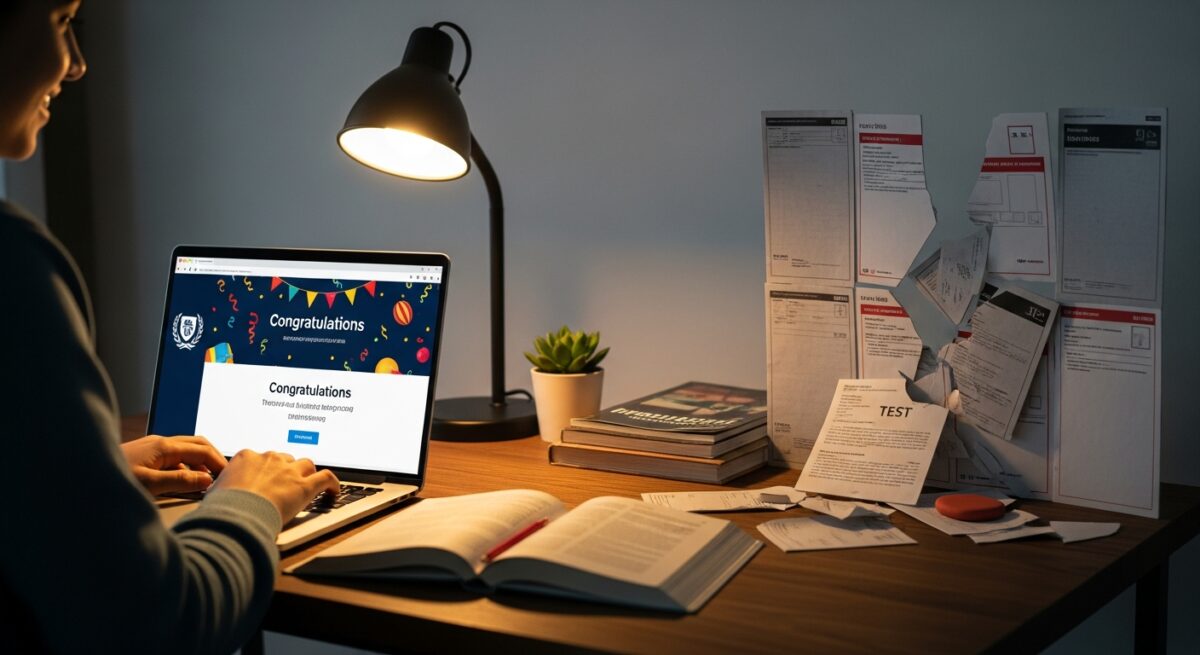
For many prospective students, the single biggest barrier to starting a degree program isn’t the coursework or the cost, but the gatekeeper standing at the door: the entrance exam. The prospect of studying for and taking high-stakes tests like the GRE, GMAT, or SAT can be daunting, especially for working adults whose academic test-taking skills are years behind them. The good news is a significant and growing segment of higher education has moved beyond this model. Many reputable, accredited universities now offer online degrees without entrance exams, opening pathways to career advancement for those who prefer to be evaluated on their professional experience, previous academic record, and personal drive rather than a single test score.
The Rise of Open Access and Holistic Admissions
The traditional reliance on standardized entrance exams is being reexamined across academia. Critics argue that such tests can create inequitable barriers, favoring those with the means for expensive test prep and potentially overlooking non-traditional students with valuable real-world experience. In response, many institutions, particularly those with robust online divisions, have adopted holistic admissions processes. This approach considers the whole applicant: their undergraduate GPA (often with a minimum requirement, like a 2.5 or 3.0), letters of recommendation, a statement of purpose or admissions essay, and relevant work history. For students exploring high-demand fields, this shift is pivotal. It aligns with the practical focus of many online degrees for high-demand jobs, where professional background can be as telling as academic prowess.
This model is especially prevalent at the master’s level for career-focused degrees. Universities recognize that a mid-career professional with a decade of experience in a field may be an ideal candidate for an advanced degree, even if their GRE scores wouldn’t be top-tier. The emphasis shifts from predicting academic success through a test to validating readiness through proven achievement. This open-access philosophy underpins the availability of numerous online degrees without entrance exams, making advanced education more accessible and aligned with adult learners’ lives.
Popular Degree Fields Available Without Entrance Exams
While options are expanding, certain disciplines are particularly known for waiving entrance exams for their online programs. These fields often value applied skills and leadership potential that are demonstrated through experience and previous academic performance.
Business and Administration
The Master of Business Administration (MBA) is arguably the leader in this movement. Countless accredited online MBA programs do not require the GMAT or GRE, especially for applicants who meet a certain GPA threshold or have substantial managerial experience. Similarly, specialized master’s degrees in management, leadership, and project management frequently forgo exam requirements. The focus is on cultivating practical business acumen, making professional experience a highly relevant admissions factor. For those considering this path, researching specific high-demand online degrees that lead to excellent jobs can help identify programs with strong career outcomes.
Education and Teaching
Educators seeking advancement often pursue online Master of Education (M.Ed.), Educational Leadership, or Curriculum and Instruction degrees. These programs rarely require entrance exams, prioritizing a valid teaching license and classroom experience. The goal is to enhance the skills of practicing educators, not to test their generalized knowledge.
Healthcare Administration and Nursing
With healthcare systems evolving rapidly, advanced degrees for administrators and nurses are in high demand. Online Master of Health Administration (MHA) and Master of Science in Nursing (MSN) programs commonly evaluate candidates based on their healthcare experience, licensure (for nurses), and undergraduate performance, not an entrance exam. These fields are inherently practical, and admissions committees seek candidates who understand the healthcare environment.
Technology and Computer Science
Some online master’s degrees in information technology, cybersecurity, and computer science are adopting no-exam admissions, particularly for students with an undergraduate degree in a related field or proven IT work experience. The rapid pace of technological change means hands-on skill and current knowledge can outweigh standardized test performance.
Critical Steps for Choosing a Reputable Program
Just because a program doesn’t require an exam doesn’t mean standards are low. In fact, conducting thorough due diligence is more crucial. Here is a key checklist for evaluating any online degree program that waives entrance exams.
- Accreditation is Non-Negotiable: Ensure the institution is regionally accredited. This is the gold standard for academic quality and ensures your degree will be recognized by employers and other universities. Programmatic accreditation is an added bonus for specific fields like business (AACSB) or nursing (CCNE).
- Scrutinize Admission Requirements: A legitimate no-exam program will still have clear criteria. Common requirements include a minimum undergraduate GPA (e.g., 2.5 to 3.0), professional resume or CV, statement of purpose, letters of recommendation, and sometimes prerequisite coursework. Be wary of programs with virtually no admission standards.
- Investigate Faculty and Student Support: Research the qualifications of the faculty teaching online courses. Look for robust student support services, including dedicated online tutoring, career counseling, technical support, and academic advising. These structures are vital for success in a remote learning environment.
- Analyze Total Cost and Financial Aid: Understand the full cost per credit hour and total program cost. Explore financial aid options early. A valuable scholarship information resource can help you identify external funding opportunities to offset tuition.
- Verify Career Outcomes: Reputable programs will often share data on graduation rates, student satisfaction, and career advancement of alumni. This information is a strong indicator of the program’s value and effectiveness.
Maximizing Your Application Without Exam Scores
When test scores aren’t part of your application package, every other component must shine brighter. Your application tells your story and makes the case for your readiness. Focus on crafting a compelling narrative that connects your past achievements to your future goals.
Your statement of purpose or admissions essay is your most powerful tool. Don’t just list your job duties. Describe specific challenges you’ve overcome, leadership initiatives you’ve led, and skills you’ve mastered. Explain clearly why this degree is the logical next step for your career and how you plan to apply the knowledge. Your resume should be detailed and achievement-oriented, using metrics and outcomes to demonstrate your impact. Letters of recommendation should come from supervisors or professors who can speak concretely about your work ethic, intellectual curiosity, and potential for success in graduate study. A strong application portfolio can effectively compensate for the lack of a standardized test score, presenting a multidimensional picture of a qualified candidate.
Understanding the Potential Trade-Offs and Commitments
Choosing an online degree without an entrance exam offers incredible accessibility, but it’s important to enter with clear eyes. The rigor of the coursework itself is unchanged, you are simply bypassing one admissions hurdle. The time commitment for a quality online program is substantial, often requiring 15-20 hours per week for coursework on top of professional and personal responsibilities. Success demands high levels of self-discipline, time management, and personal motivation.
Furthermore, while this path is perfect for many, some specific academic or career goals may still require exam scores. For instance, if you aspire to a career in academia or research, or if you plan to later pursue a PhD, some doctoral programs may still require GRE scores regardless of your master’s pathway. Always align your chosen program with your long-term objectives. The flexibility of online degrees without entrance exams is a tremendous advantage, but it is not a shortcut, it is an alternative route designed for the experienced, determined learner.
The landscape of higher education continues to adapt to the needs of a diverse student body. Online degrees without entrance exams represent a significant step toward a more inclusive and practical model of education, valuing proven experience and professional potential alongside academic history. By carefully selecting an accredited program and submitting a polished, professional application, you can unlock advanced career opportunities and achieve your educational goals on your own terms.