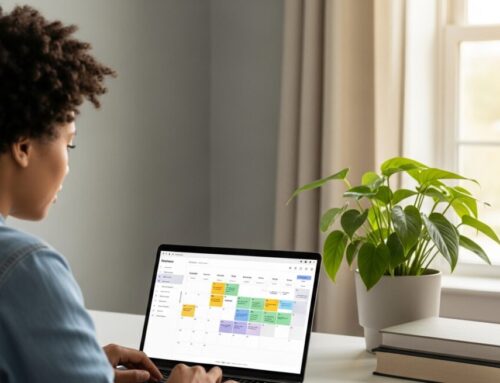
Imagine earning a respected college degree while maintaining a full-time job, caring for family, or even serving in the military. This is the fundamental promise of flexible online degree programs, an educational model designed to fit your life, not the other way around. Unlike traditional campus-based schedules, these programs offer asynchronous classes, multiple start dates, and self-paced learning modules that empower you to integrate education into your existing responsibilities. For working adults, career changers, and lifelong learners, this flexibility is not just a convenience, it is the key that unlocks the door to career advancement and personal growth without putting life on hold.
What Defines Truly Flexible Online Learning
The term “flexible” can be vague, but in the context of online higher education, it encompasses several concrete features that distinguish it from simply putting lectures online. A genuinely flexible program is built with the non-traditional student at its core. This means the structure acknowledges you have competing priorities. The primary component is often asynchronous delivery, where you are not required to be logged in at a specific time for a live class. You complete coursework, participate in discussion forums, and watch lectures according to your own weekly schedule, whether that’s during a lunch break, after the kids are asleep, or on weekends.
Beyond asynchronous learning, program design plays a huge role. Look for features like accelerated terms, which condense a 16-week semester into 5, 8, or 10-week sessions, allowing you to focus on fewer subjects at a time and potentially graduate sooner. Multiple start dates throughout the year mean you don’t have to wait for a fall semester to begin your journey. Some programs even offer competency-based education (CBE) models, where you progress by demonstrating mastery of a skill or subject area, not by accumulating credit hours. This is ideal for students with prior work experience or knowledge who can move quickly through familiar material. Our analysis of the fastest online degree programs often highlights these accelerated and CBE models as top choices for motivated learners.
Key Benefits of Choosing a Flexible Program
The advantages of enrolling in a flexible online degree program extend far beyond simple scheduling. The most significant benefit is the ability to maintain your current income and career trajectory. You can apply what you learn in your courses directly to your job in real-time, enhancing your value to your employer while you study. This also eliminates the need for costly student housing or commuting, making higher education more financially accessible. Furthermore, these programs democratize education by providing access to top-tier universities regardless of your geographic location. A student in a rural community can earn a degree from a renowned institution hundreds of miles away.
Perhaps the most underrated benefit is the development of crucial 21st-century skills. Navigating an online learning environment requires and fosters exceptional self-discipline, time management, digital literacy, and written communication. You become a more independent and proactive learner, traits that are highly valued in today’s professional landscape. Employers recognize that completing an online degree demonstrates grit, organization, and motivation. The following are core benefits that resonate with most students:
- Career Continuity: Advance your education without pressing pause on your professional life or losing vital income.
- Personalized Pacing: Adapt your course load to match your personal and professional demands each term.
- Geographic Freedom: Access prestigious programs and specialized faculty no matter where you live.
- Immediate Application: Implement new theories and strategies from your coursework directly into your current job.
- Cost Efficiency: Save on expenses related to commuting, relocation, and campus fees.
Popular Fields Offering Maximum Flexibility
Virtually every academic discipline now offers online options, but some fields are particularly renowned for their adaptable program structures and strong alignment with remote learning. These areas often have well-established curricula that translate effectively to digital formats and lead to clear career outcomes.
Business and Administration: An online business administration degree is a cornerstone of flexible education. Programs cover management, finance, marketing, and operations, providing skills applicable to any industry. The flexibility allows working professionals to immediately apply concepts like strategic planning or financial analysis to their roles. Many MBA and BBA programs offer specializations in high-demand areas like project management, healthcare administration, or entrepreneurship, all with the same adaptable scheduling.
Education: For current teachers or paraprofessionals seeking certification or advancement, a degree in elementary education online is a common path. These programs combine foundational theory with practical teaching strategies and often include field experience arranged in the student’s local area. The flexibility enables educators to continue teaching full-time while earning the credentials needed for a raise or a new position.
Healthcare Administration: Degrees in health administration are perfectly suited for online study. They focus on the business, law, and technology sides of healthcare, preparing students for leadership roles in hospitals, clinics, and insurance companies. The asynchronous format is ideal for healthcare workers with irregular shifts who want to move into management. Similarly, online degrees in emergency management prepare professionals for leadership in public safety and disaster response, fields where practical experience is paramount and can be combined with academic study.
Technology and Digital Fields: Online digital marketing degrees and IT-related programs are inherently digital, making their online delivery a natural fit. Students learn using the very tools and platforms they are studying, from analytics software to content management systems. The curriculum in these fast-evolving fields is frequently updated, and online programs can often adapt more quickly than traditional ones. For a broader look at where these degrees can lead, explore our guide on the best online degrees for high-demand jobs to see how flexibility aligns with future career growth.
How to Evaluate and Choose the Right Program
With countless options available, selecting the right flexible online degree program requires careful research. The first step is to ensure the institution is properly accredited by a recognized regional or national accrediting agency. Accreditation is non-negotiable, as it guarantees educational quality and ensures your degree will be respected by employers and other universities. Next, scrutinize the structure of the flexibility. Does “asynchronous” mean completely self-paced with open deadlines, or are there weekly assignment due dates? How interactive are the courses? Look for programs that use engaging methods like collaborative projects, virtual simulations, and regular instructor feedback, not just recorded lectures and automated tests.
Investigate the support services tailored for online students. A strong program will offer dedicated academic advising, 24/7 technical support, an online library, career counseling, and tutoring, all accessible remotely. The faculty should be a mix of academic experts and working professionals who bring real-world context to the virtual classroom. Finally, be realistic about the time commitment. Flexibility does not mean less work, it means you control when you do the work. Successful students typically block out dedicated, consistent study times each week. Understanding the total cost, including technology and resource fees, is also critical. To help fund your studies, be sure to research all available financial aid and explore every scholarship information resource you can find.
Succeeding as a Flexible Online Student
Enrolling in a program is just the beginning. Success in a flexible online environment demands a proactive and structured approach. The freedom provided can be a pitfall without proper self-management. Start by treating your education like a serious project. Create a dedicated study space free from distractions and establish a consistent weekly schedule, blocking time on your calendar for reading, assignments, and discussion posts as if they were mandatory meetings. Communication is vital in a virtual setting. Introduce yourself to instructors and peers early, participate actively in forums, and don’t hesitate to ask for help via email or virtual office hours the moment you encounter a challenge.
Leverage all the technology and resources provided by your school. Familiarize yourself with the learning management system (like Canvas or Blackboard) before classes start. Use digital tools for organization, such as calendar apps, task managers, and cloud storage for your work. Most importantly, connect with your online community. Form virtual study groups, engage in peer review, and build a professional network with your classmates. These connections can provide academic support, career opportunities, and a sense of camaraderie that combats the isolation sometimes felt in distance learning. By mastering these strategies, you transform flexibility from a mere feature into a powerful tool for achieving your goals.
Flexible online degree programs have redefined who can pursue higher education and when. They represent a shift towards learner-centric models that respect the complexities of adult life. By carefully selecting a reputable program in a field aligned with your ambitions and committing to the disciplined approach required for success, you can earn a valuable credential that opens new doors, all while keeping your current life firmly on track. The future of education is not just digital, it is adaptable, and it is designed for you.