You’re considering an online degree, but a fundamental question lingers: how do online degrees work, exactly? The concept of earning a full credential from your laptop can seem abstract compared to the familiar rhythm of a physical campus. The reality is that online education has evolved into a sophisticated, structured, and highly effective model of learning, built not on chance but on deliberate digital pedagogy. Understanding the mechanics, from the technology that delivers your lectures to the way you interact with professors and peers, is the first critical step to determining if this path aligns with your goals and learning style. This guide demystifies the operational core of online degree programs, providing you with the clarity needed to navigate your educational future with confidence.
The Core Structure of an Online Degree Program
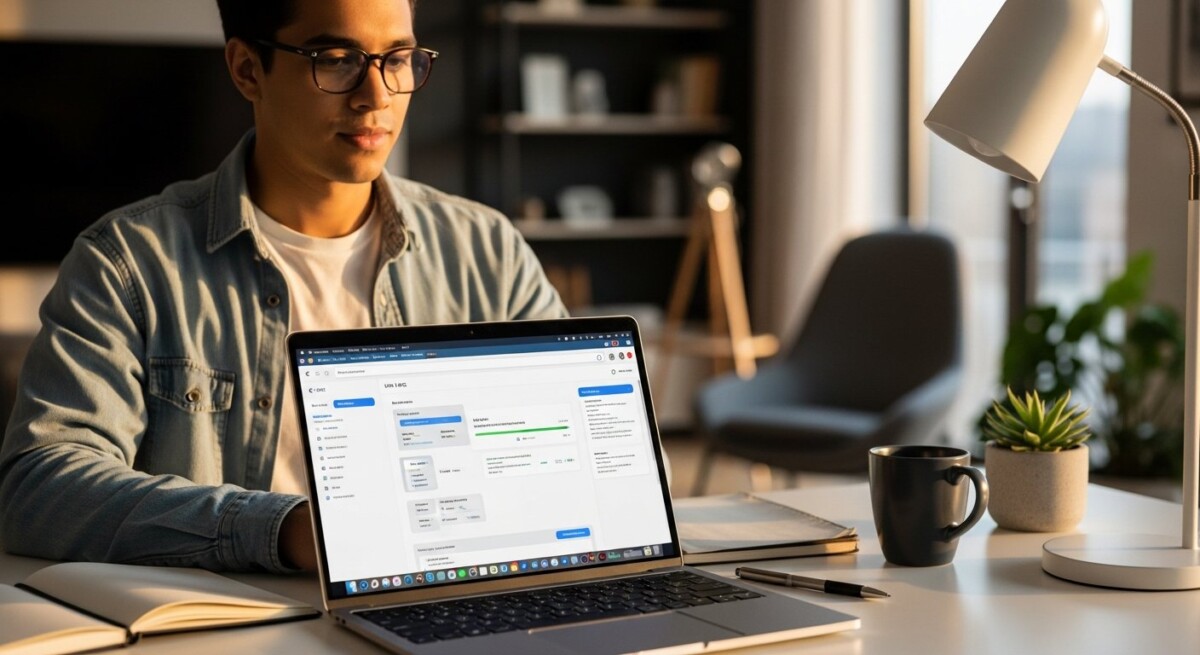
At its heart, an online degree program mirrors the academic rigor and structure of its on-campus counterpart, but it delivers these elements through a digital framework. The semester or term system is standard, with defined start and end dates, assignment deadlines, and exam periods. You will have a course syllabus for each class, outlining learning objectives, required textbooks (often in digital format), grading scales, and weekly schedules. The primary shift is the modality: the physical classroom is replaced by a Learning Management System (LMS), which serves as the virtual campus hub. Platforms like Canvas, Blackboard, or Moodle are where you access all course materials, submit assignments, take quizzes, view grades, and participate in discussions. This centralized digital space provides the consistency and organization necessary for structured learning at a distance.
Primary Formats for Online Course Delivery
Not all online degrees work the same way when it comes to scheduling and interaction. Programs typically fall into one of two main formats, or sometimes a blend of both, each catering to different needs for flexibility and structure.
Synchronous Learning: The Virtual Classroom
Synchronous learning requires you to be online at specific, scheduled times. This format replicates a traditional classroom experience in a virtual setting. Using video conferencing tools like Zoom or Microsoft Teams, you log in to live lectures, seminars, or group project meetings. This model facilitates real-time interaction with instructors and classmates, allowing for immediate Q&A, spontaneous discussion, and a stronger sense of community and cohort. It provides a predictable routine but demands that you clear your schedule for those set meeting times, which may be challenging for those with irregular work or family commitments.
Asynchronous Learning: Learning on Your Schedule
Asynchronous learning is the hallmark of flexibility in online education. There are no required live sessions. Instead, instructors pre-record lectures, post reading materials, create discussion forums, and set deadlines for assignments and exams. You complete the work within the given weekly timeframe, but you choose when, during your day or night, to engage with the content. This format is ideal for working professionals, parents, or individuals in different time zones. Success here hinges on exceptional self-discipline and time management skills, as you are responsible for creating and sticking to your own study schedule without the external structure of live classes.
The Student Experience: Engagement and Assessment
Dispelling the myth of isolation is key to understanding how online degrees work. Quality programs are designed to foster rich engagement and utilize varied assessment methods to gauge your learning.
Interaction is engineered through several channels. Discussion forums are a cornerstone, where you post responses to prompts and engage in threaded conversations with peers. Instructors actively participate, guiding discourse and ensuring academic depth. Group projects are common, managed through collaborative tools like shared documents, virtual whiteboards, and breakout rooms during synchronous sessions or async communication platforms. Communication with the professor occurs via email, LMS messaging, scheduled virtual office hours, or sometimes even phone calls. This multi-channel approach creates a networked learning environment.
Assessment moves beyond simple multiple-choice tests. While proctored online exams exist (using software that monitors your screen and webcam), evaluation is often more holistic. You will likely encounter:
- Written papers and research projects submitted digitally.
- Multimedia presentations (e.g., recorded PowerPoint or video presentations).
- Portfolios compiling your work over a term or program.
- Participation grades based on your contributions to discussions and group work.
- Case studies and practical application assignments relevant to your field.
This variety ensures a comprehensive evaluation of your knowledge and skills. For a deeper look at managing these demands alongside other responsibilities, our resource on flexible online degrees for working adults offers practical strategies for balance.
The Critical Importance of Accreditation
Understanding how an online degree works is meaningless if the credential lacks legitimacy. Accreditation is the non-negotiable quality assurance mechanism. It is a review process conducted by an independent agency to ensure that an institution and its programs meet accepted standards of quality and rigor. There are two main types: institutional and programmatic. Always verify that the online college or university holds institutional accreditation from an agency recognized by the U.S. Department of Education or the Council for Higher Education Accreditation (CHEA). This accreditation affects the transferability of credits, eligibility for federal financial aid, and how employers view your degree. Never enroll in a program that cannot provide clear evidence of proper accreditation.
Technology and Support Services
To make an online degree work for you, you need the right tools and support. Technically, you will need a reliable computer, high-speed internet, a webcam, a microphone, and up-to-date software (like word processing and presentation programs). Most academic software is provided by the institution. Crucially, you are not left to figure this out alone. Reputable schools offer robust student support services entirely online, including:
- Technical support helplines for LMS and software issues.
- Online libraries with vast digital collections, research databases, and librarian chat services.
- Virtual tutoring and writing centers.
- Academic advising via video or phone appointments.
- Career services offering virtual coaching, resume reviews, and online job fairs.
- Accessibility services to ensure the digital learning environment is equitable for all students.
These services are designed to replicate the on-campus support network and are vital for student success.
Financial Considerations and Aid
The financial model for online degrees varies. Tuition can be charged per credit hour, per term, or even via a subscription model in competency-based programs. It’s a common misconception that online degrees are always cheaper; while you save on commuting and some campus fees, tuition rates are often comparable to in-state or standard graduate tuition. However, the ability to continue working full-time while studying is a significant financial offset. You remain eligible for federal financial aid (FAFSA), scholarships, grants, and employer tuition reimbursement programs. It is essential to complete the FAFSA and explore all funding options with the university’s financial aid office. To explore funding avenues specifically for digital learners, researching degree programs online can connect you with scholarship opportunities tailored to online education.
Choosing the Right Program for You
Now that you understand how online degrees work, selecting the right one becomes a strategic process. Start by clearly defining your career goal and ensuring the program’s curriculum aligns with it. Verify accreditation status as your first filter. Then, critically assess the format: does a synchronous or asynchronous model better suit your life? Research the faculty’s credentials and the institution’s reputation in your field. Examine the detailed course syllabus and sample assignments to gauge the workload and teaching style. Finally, reach out to the admissions office, request to speak with a current student or alumnus, and test-drive the LMS if possible. This due diligence ensures the program’s operational model is a fit for your personal and professional life. For a broader perspective on navigating these choices, our guide on flexible online degrees and learning options provides a valuable framework.
Frequently Asked Questions
Are online degrees respected by employers?
Yes, overwhelmingly so, provided they are from an accredited institution. Employer perception has shifted dramatically, especially as major universities now offer online programs. The focus is on the accreditation and reputation of the school, not the delivery method.
How much time should I expect to spend on coursework each week?
The standard expectation is similar to an on-campus course: for each credit hour, plan for 2-3 hours of work per week. A typical 3-credit course will require 6-9 hours of your time weekly for reading, assignments, discussions, and studying.
Can I transfer credits from another institution to an online degree program?
Yes, accredited online programs generally accept transfer credits from other accredited colleges, subject to evaluation and a minimum grade requirement. This process is handled by the registrar’s office.
Will my diploma say “online degree”?
Typically, no. The diploma usually awarded is identical to that given to on-campus graduates, stating the name of the degree and the institution without specifying the mode of delivery.
How do proctored exams work online?
Proctoring software uses your computer’s webcam and microphone to monitor you during an exam. It may record your screen, flag unusual eye movements or sounds, and require a room scan before starting. Some programs use alternative assessments to avoid proctoring.
Understanding how online degrees work demystifies the process and empowers you to make an informed decision. It is a structured, interactive, and legitimate form of education that demands discipline and technological comfort but offers unparalleled flexibility. By focusing on accredited programs, assessing your fit with the delivery format, and leveraging the available support systems, you can successfully navigate this dynamic learning landscape. The virtual classroom is ready; your journey begins with taking that first step of informed exploration.