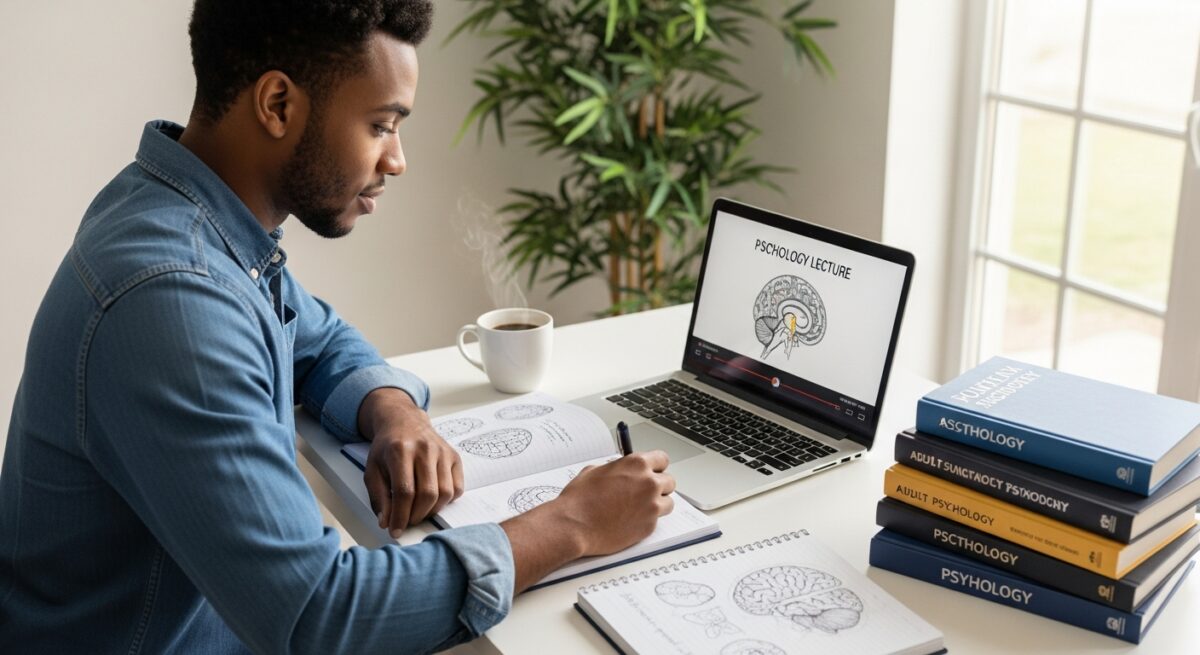
You are considering a major step to advance your career and education, but the traditional campus model feels impossible. Between your job, family commitments, and financial constraints, the idea of attending scheduled classes in person is a non-starter. The question “should I get an online degree” is more than a simple query, it is a pivotal decision about your future, your time, and your investment. Online education has evolved from a niche alternative into a robust, respected pathway used by millions. However, its suitability is not universal. This guide will help you move beyond the surface-level pros and cons to conduct a deep, personal evaluation. We will examine the critical factors of learning style, career goals, program quality, and personal discipline to help you determine if an online degree aligns with your unique life and aspirations.
Understanding the Modern Online Learning Experience
Before deciding if you should get an online degree, it is essential to dispel outdated myths. Today’s accredited online programs are far from the correspondence courses of the past. They leverage sophisticated learning management systems (LMS) like Canvas or Blackboard to create dynamic, interactive virtual classrooms. The experience often includes live, scheduled video lectures (synchronous learning), engaging discussion forums, collaborative group projects using cloud-based tools, and access to digital libraries and tutoring. The key differentiator is modality, not quality. The curriculum, faculty, and academic standards are typically identical to their on-campus counterparts, leading to the same diploma. The core question shifts from “Is it legitimate?” to “Is this format effective for how I learn and manage my life?”
Evaluating Your Personal Suitability and Learning Style
The success of an online student hinges on specific personal attributes. This self-assessment is the most crucial step in answering “should I get an online degree.” You must be brutally honest with yourself about your habits and preferences. Online learning demands a high degree of self-motivation and time management. Without the structure of a physical class, it is easy to fall behind. Are you a proactive planner, or do you need external deadlines to perform? Furthermore, consider your learning style. While many programs offer video content and live interaction, a significant portion of learning is text-based and requires independent reading and analysis. If you thrive on in-person, spontaneous debate and direct professor interaction, you may find some online formats less stimulating. However, if you are a self-directed learner who appreciates reviewing lecture materials on your own schedule and contributing to written discussions, you could excel.
To help with this self-evaluation, consider these essential traits of successful online students:
- Self-Discipline and Time Management: The ability to create and stick to a consistent study schedule without supervision.
- Effective Communication Skills: Comfort with expressing questions and ideas clearly in writing via email and discussion posts.
- Technical Proficiency: Basic comfort with computers, internet browsers, word processors, and video conferencing software.
- Proactive Help-Seeking: Willingness to reach out to instructors and support services when challenges arise, rather than struggling in silence.
- Intrinsic Motivation: A strong, personal drive to achieve the degree goal, which sustains effort over the long term.
Reflecting on these points is not about finding perfection, but about identifying potential growth areas. If you lack in some, could you develop systems to compensate? For instance, using a digital calendar with strict study blocks or forming a virtual study group with classmates can build structure.
Aligning Your Career Goals with Program Outcomes
The value of any degree, online or otherwise, is ultimately measured by its return on investment. You must investigate how a specific online degree aligns with your career trajectory. For some fields, like information technology, business administration, or healthcare management, online degrees are widely accepted and often sought after by employers who value the initiative and tech-savviness they represent. In our guide on professional online degrees, we explain how these programs are designed specifically for career advancement. For other highly regulated or hands-on professions, such as clinical nursing or laboratory science, ensure the online program includes the necessary in-person practicum or residency components and is explicitly approved by the relevant licensing board. Always research job postings in your desired field: do they mention online degrees? Speaking directly to professionals in the role you want can provide invaluable, candid insights.
The Non-Negotiables: Accreditation and Program Quality
If you remember only one piece of advice from this guide, let it be this: accreditation is paramount. Attending a non-accredited institution can render your degree worthless to employers and prevent the transfer of credits. Regional accreditation (from bodies like the Higher Learning Commission or Southern Association of Colleges and Schools) is the gold standard for academic institutions in the United States. For professional fields, look for additional programmatic accreditation (e.g., AACSB for business, ABET for engineering, CAEP for education). Always verify accreditation status directly on the accrediting agency’s website, not just the school’s marketing materials. Beyond accreditation, assess program quality by examining faculty credentials, student support services (like career counseling and technical help), graduation rates, and alumni outcomes. This due diligence is your primary shield against low-quality programs.
Weighing the Practical Advantages and Challenges
The practical benefits of online education are compelling, but they come with trade-offs. The most significant advantage is flexibility. You can often access coursework at any hour, allowing you to maintain employment and family responsibilities. This also eliminates commute time and costs. Furthermore, you can choose from programs across the country without relocating, potentially finding a better fit or specialization. Financially, while tuition may be similar to on-campus rates, you save on ancillary costs like housing, transportation, and campus fees. However, the challenges are real. The lack of face-to-face interaction can lead to feelings of isolation. You must be your own tech support when issues arise. The constant accessibility of coursework can blur the lines between study time and personal time, leading to burnout if not managed. Weigh these factors against your personal circumstances.
Financial Considerations and Aid
Pursuing an online degree is a significant financial undertaking. Tuition models vary: some schools charge per credit, others per term. Importantly, accredited online students are eligible for the same federal financial aid (loans, grants) as on-campus students, provided they complete the FAFSA and enroll at least half-time. Many employers also offer tuition reimbursement programs. When calculating cost, consider the total price, including technology fees, book costs, and any required on-site residency travel. Create a detailed budget and explore all funding avenues. Remember, the goal is to maximize the value of the investment, which is why thorough research on career outcomes, as discussed earlier, is so tightly linked to financial planning. For clear information on navigating these financial and academic pathways, seeking online degree guidance from reputable sources is a prudent step.
Frequently Asked Questions
Do employers respect online degrees?
Yes, employers generally respect online degrees from regionally accredited institutions. The stigma has faded dramatically, especially as major traditional universities now offer robust online programs. The key is the accreditation status, not the delivery method.
How time-consuming is an online degree?
An online degree is equally as time-consuming as a traditional degree. For a standard three-credit course, expect to spend 9-12 hours per week on reading, assignments, discussions, and studying. The difference is you have more control over when those hours are scheduled.
Can I transfer credits from an online program?
Credits from a regionally accredited online program are as transferable as credits from a traditional program. Transfer decisions are always at the discretion of the receiving institution, so it is best to get pre-approval in writing.
What technology do I need?
At a minimum, you will need a reliable computer (less than 5 years old), high-speed internet, a webcam, a microphone, and up-to-date software like a word processor and PDF reader. Specific programs may have additional requirements.
Will I have any interaction with classmates or professors?
Absolutely. Quality programs are built on interaction. You will communicate regularly via discussion boards, email, video conferences, and group projects. Building these virtual relationships is a key part of the experience.
The decision of whether you should get an online degree is deeply personal and multifaceted. It requires a clear-eyed assessment of your learning personality, a strategic alignment with your career objectives, and diligent research into credible programs. For the self-motivated individual seeking to balance education with other life commitments, an accredited online degree can be a powerful, transformative tool. It offers a pathway to advancement that was previously inaccessible to many. By taking the time to honestly answer the questions posed in this guide, you can move forward with confidence, knowing that your educational investment is sound, relevant, and tailored to propel you toward your goals.