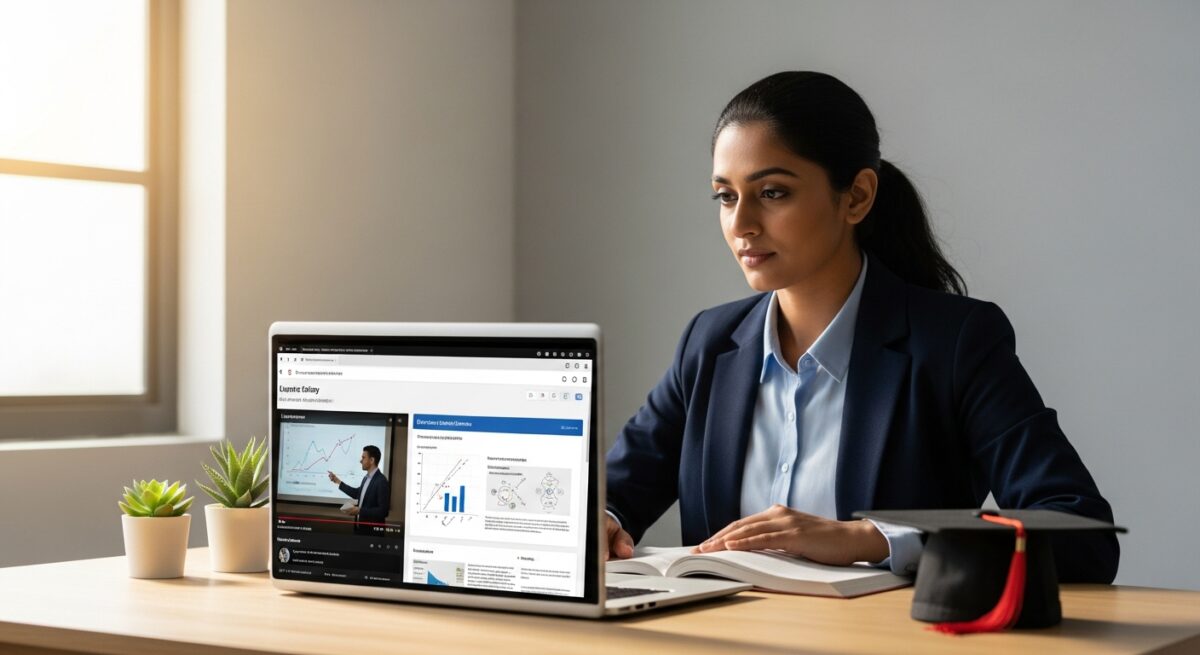
The landscape of higher education has fundamentally shifted. For millions of students, the question is no longer whether to attend college, but how to do so in a way that fits a busy, complex life. Online bachelor’s degree options have moved from a niche alternative to a mainstream, respected pathway to career advancement and personal fulfillment. This comprehensive exploration will guide you through the diverse formats, critical considerations, and strategic steps to select an online program that aligns with your professional goals and learning style, transforming the overwhelming array of choices into a clear path forward.
Understanding the Spectrum of Online Learning Formats
Not all online degrees are created equal. The first step in evaluating your online bachelor’s degree options is to understand the different delivery models. The primary distinction lies in the level of synchronization, or “sync,” between students and instructors. Asynchronous programs are the most flexible, allowing you to access pre-recorded lectures, complete assignments, and contribute to discussion boards on your own schedule, ideal for those with irregular work hours or family commitments. Synchronous programs, on the other hand, require you to be online at specific times for live virtual classes, offering more real-time interaction and structure akin to a traditional classroom.
Beyond this core difference, several innovative models have emerged. Competency-based education (CBE) programs, such as those offered by institutions like Western Governors University, allow you to progress by demonstrating mastery of specific skills rather than accumulating credit hours. This model can significantly accelerate time to completion and reduce cost for self-motivated learners with prior knowledge. Another growing trend is the hybrid or blended format, which combines online coursework with occasional in-person requirements, such as weekend labs, intensives, or orientation sessions. This can be perfect for fields like nursing or engineering that benefit from hands-on practice.
Key Factors in Choosing the Right Accredited Program
With the format in mind, the next layer of decision-making involves evaluating program quality and fit. Accreditation is the non-negotiable foundation. Always verify that the institution is accredited by a recognized regional accrediting agency. This ensures the education meets established standards of quality, that credits are more likely to transfer, and that future employers and graduate schools will recognize your degree. Be wary of programs accredited solely by national or programmatic accreditors without solid regional backing.
Your choice of major is, of course, paramount. Fortunately, the range of online bachelor’s degree options now spans nearly every discipline. Business Administration, Information Technology, Healthcare Administration, and Psychology are perennially popular and widely available. However, more specialized fields are also accessible online, including data analytics, cybersecurity, digital marketing, and sustainability studies. When researching programs, look beyond the course titles. Examine the curriculum depth, the credentials of the faculty (are they industry practitioners?), the technology platform used (is it user-friendly?), and the support services offered, such as online tutoring, career counseling, and technical help desks.
To make an informed decision, consider creating a comparison checklist. Key items to evaluate include:
- Total Cost and Financial Aid: Look beyond tuition per credit. Factor in technology fees, textbook costs (are they included?), and any residency fees. Explore federal aid eligibility, institutional scholarships, and employer tuition reimbursement programs. For comprehensive financial planning, researching degree programs online can connect you with valuable scholarship opportunities.
- Student Support Structure: Does the program assign a dedicated academic advisor? Is there 24/7 tech support? What resources exist for online library access and writing assistance?
- Career Outcomes: Investigate the program’s career services for online students. Do they offer virtual career fairs, resume reviews, and interview coaching? What are the reported employment rates for graduates?
- Flexibility and Pacing: Are there multiple start dates per year? Can you easily take a term off if needed? What is the policy for transferring in prior college credits or professional experience?
The Practical Advantages of an Online Bachelor’s Degree
Choosing an online degree is often a strategic life decision, not just an educational one. The most cited benefit is unparalleled flexibility. You can maintain your current employment, fulfill family responsibilities, and study from any location with a reliable internet connection. This eliminates the need for relocation or a lengthy commute, saving significant time and money. Furthermore, online programs can foster the development of in-demand digital literacy and self-discipline skills, such as time management, virtual collaboration, and independent problem-solving, attributes highly valued in today’s remote and hybrid workplaces.
For career changers, an online degree provides a viable route to pivot into a new field without sacrificing an existing income. Many programs are designed with working adults in mind, offering curricula that allow for the immediate application of learned concepts to your current job. This creates a powerful feedback loop where academic theory enhances professional practice, and real-world challenges inform your learning. The return on investment can be substantial, not only in terms of potential salary increases but also in career stability and opportunities for advancement. For those interested in business, a detailed exploration of one popular pathway is available in our online Bachelor in Commerce degree program overview.
Navigating Admissions and Succeeding as an Online Student
The admissions process for online programs is typically similar to their on-campus counterparts, though sometimes with more rolling admissions cycles. You will generally need to submit an application, official transcripts from any previous colleges, and possibly standardized test scores (though many are now test-optional). A resume and personal statement are often required, especially for adult applicants, as they provide context for your work experience and goals. Some programs may have specific prerequisites or technology requirements, such as a minimum computer specification or webcam.
Success in an online environment requires a proactive approach. Unlike a physical classroom, you must intentionally create structure and community. This begins with establishing a dedicated study space and a consistent schedule. Actively participate in discussion forums; this is your primary classroom interaction. Communicate regularly with your instructors, don’t wait until you’re struggling. Furthermore, leverage the program’s digital tools and support services from day one. Time management is the critical skill. Use digital calendars, block out study time as non-negotiable appointments, and break large assignments into smaller, manageable tasks to avoid procrastination. For learners seeking the fastest route to completion, understanding the structure of accelerated degree options in various fields can be highly informative.
Frequently Asked Questions About Online Bachelor’s Degrees
Are online bachelor’s degrees respected by employers?
Yes, overwhelmingly so. The stigma once associated with online education has largely disappeared, especially for degrees from regionally accredited, reputable institutions. Employers primarily care about the accreditation of the school and the relevant skills you’ve acquired.
How long does it take to complete an online bachelor’s degree?
The timeline varies. A traditional program takes about four years of full-time study. However, many online students transfer credits, accelerating completion. Competency-based and accelerated formats can lead to a degree in as little as two to three years for highly motivated students.
Can I get financial aid for an online degree?
Absolutely. If the institution is accredited and eligible for federal aid, you can complete the FAFSA to qualify for grants, loans, and work-study. Many schools also offer scholarships specifically for online students.
What technology do I need?
At a minimum, a reliable computer (less than five years old is ideal), high-speed internet, a webcam, and a headset with a microphone. Specific software requirements will vary by program.
Is an online degree easier than an on-campus degree?
No. The academic rigor of a reputable online program is equivalent to its on-campus counterpart. The workload, grading standards, and learning outcomes are the same. The difference is in the delivery method, not the difficulty.
The journey to earning your bachelor’s degree online is a powerful commitment to your future. By carefully researching formats, prioritizing accreditation, evaluating support structures, and preparing for the unique dynamics of digital learning, you can confidently select a program that provides not just a credential, but a transformative educational experience. The right online bachelor’s degree option is one that fits your life as it is today while strategically building the foundation for the career and opportunities you want tomorrow.