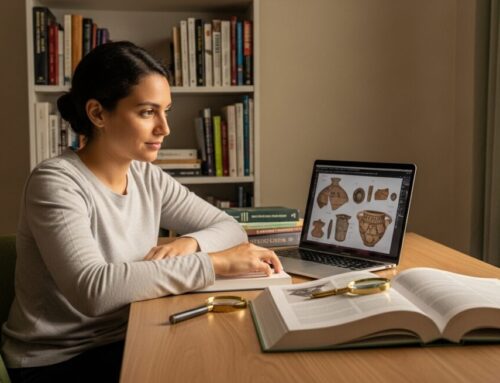
Art history is a field that invites you to explore the visual culture of human civilization, from cave paintings to contemporary digital installations. For many working professionals and adult learners, the idea of pursuing a degree in this discipline can feel out of reach due to campus requirements, fixed schedules, or geographic limitations. That is where online art history degree programs come into play, offering flexibility without sacrificing academic depth. This guide will walk you through what these programs entail, how to choose the right one, what career paths they open, and how to finance your education wisely.
Why Choose an Online Art History Degree?
An online art history degree provides a unique blend of humanistic inquiry and practical skill development. You will learn to analyze visual materials, understand historical contexts, and communicate complex ideas effectively. These skills are valuable not only in museums and galleries but also in education, publishing, and even corporate sectors where visual literacy is increasingly important.
One of the most significant advantages of studying art history online is the flexibility it offers. You can access lectures, readings, and virtual museum tours at any time, allowing you to balance your studies with work and family commitments. Many programs are asynchronous, meaning you can log in and complete coursework on your own schedule, which is ideal for those with unpredictable work hours.
Moreover, online programs often provide access to a broader range of resources than a single physical campus might offer. Through digital libraries, virtual archives, and partnerships with cultural institutions, you can engage with artworks and scholarly materials from around the world. This exposure enriches your learning experience and prepares you for a globalized professional environment.
Types of Online Art History Degree Programs
Prospective students can choose from several levels of online art history degree programs, each designed to meet different academic and career goals. Understanding these options helps you align your choice with your current qualifications and future aspirations.
- Associate of Arts (AA) in Art History: A two-year program that provides a foundational understanding of art historical periods and methods. It can be a stepping stone to a bachelor’s degree.
- Bachelor of Arts (BA) in Art History: A four-year degree offering a comprehensive curriculum covering major movements, critical theory, and research methods. This is the standard entry point for most careers in the field.
- Master of Arts (MA) in Art History: A graduate degree that allows for specialization in a particular era, region, or methodological approach. It often requires a thesis or capstone project.
- Ph.D. in Art History: The highest level of academic achievement, designed for those pursuing research-intensive careers in academia, museums, or high-level curation. It involves extensive original research and dissertation writing.
Each level of study builds on the previous one, so it is essential to consider your long-term goals when selecting a program. For instance, if you aspire to become a university professor, you will need a Ph.D., which typically requires an MA first. On the other hand, if you aim to work in a museum or gallery, a BA or MA may be sufficient.
Accreditation and Academic Quality
When evaluating online art history degree programs, accreditation is a critical factor. Accreditation ensures that the program meets established standards of quality and that your degree will be recognized by employers and other institutions. Regional accreditation is the gold standard in the United States, and it is essential for transferring credits or pursuing further education.
Beyond accreditation, consider the program’s faculty. Look for professors who are active researchers and have published work in their fields. Check whether they hold advanced degrees from reputable institutions and whether they bring practical experience from museums or cultural organizations. Engaging with knowledgeable instructors can significantly enhance your learning experience, even in an online format.
Additionally, examine the curriculum structure. A strong program should offer a balance of chronological surveys and thematic electives, with opportunities for independent research. Some programs include virtual internships or collaborations with local cultural institutions, which can provide valuable practical experience. Be wary of programs that rely heavily on pre-recorded lectures without interactive components, as engagement with peers and instructors is essential for developing analytical skills.
Admissions Requirements and Application Tips
Admissions requirements for online art history degree programs vary by institution, but most follow a similar pattern. For undergraduate programs, you will typically need a high school diploma or equivalent, and possibly standardized test scores like the SAT or ACT. For graduate programs, a bachelor’s degree in a related field is often required, along with letters of recommendation, a personal statement, and sometimes a writing sample.
If you are a working professional or career changer, you may worry about lacking a formal background in art history. However, many programs welcome applicants from diverse disciplines, provided they demonstrate strong writing and critical thinking skills. In your personal statement, highlight any relevant experience, such as volunteer work at a museum, travel, or even a passion for collecting art.
To strengthen your application, consider taking an introductory art history course before applying. This shows commitment and helps you build foundational knowledge. Additionally, reach out to admissions counselors early to ask about specific requirements and deadlines. They can provide guidance on crafting a competitive application and may offer information about program-specific scholarships or fellowships.
Curriculum and Learning Experience
The curriculum of an online art history degree is designed to mirror the rigor of a traditional on-campus program while leveraging digital tools to enhance learning. Core courses typically cover major periods such as Renaissance, Baroque, Modernism, and Contemporary art, along with methodology seminars that introduce you to critical theories like formalism, iconography, and postcolonial studies.
Many programs incorporate virtual museum visits, using high-resolution images and interactive tours to analyze artworks. Some even partner with museums to offer digital exhibitions where students can curate their own shows. This hands-on approach helps bridge the gap between theory and practice, ensuring that you graduate with both knowledge and practical skills.
Assignments often include research papers, visual analyses, and discussion forum posts. These tasks develop your ability to construct arguments and engage with scholarly debates. Some courses may also require video presentations or collaborative projects, fostering communication and teamwork skills that are valuable in any career.
One of the challenges of online learning is staying motivated and managing time effectively. To succeed, create a dedicated study space, set a regular schedule, and actively participate in online discussions. Many programs offer academic support services, including virtual office hours, writing centers, and library assistance, so take advantage of these resources.

Career Opportunities with an Art History Degree
Contrary to the myth that art history graduates have limited job prospects, the degree opens doors to a wide range of careers. The skills you develop, such as visual analysis, research, and communication, are highly transferable. Here are some common career paths for graduates of online art history degree programs:
- Museum and Gallery Work: Positions include curator, educator, registrar, or exhibition designer. These roles involve organizing collections, developing educational programs, and managing exhibitions.
- Art Conservation and Restoration: This specialized field requires additional training, but an art history background provides a strong foundation for understanding materials and historical context.
- Art Appraisal and Auction Houses: Appraisers assess the value of artworks, while auction houses like Sotheby’s and Christie’s hire specialists in various art categories.
- Publishing and Media: Art historians work as editors, writers, or researchers for art magazines, academic presses, or digital media outlets.
- Education: You can teach at the elementary, secondary, or university level, though teaching in public schools often requires certification.
Additionally, an art history degree can be a stepping stone to careers in law (art law), business (art consulting), or technology (digital humanities). The key is to complement your degree with internships or volunteer experiences that build your professional network and practical skills.
Financial Aid and Affordability
The cost of an online art history degree can vary widely, from a few thousand dollars at public universities to over thirty thousand at private institutions. While online programs often save you money on housing and transportation, tuition is still a significant investment. It is essential to explore all financial aid options to make your education affordable.
Start by filling out the Free Application for Federal Student Aid (FAFSA) to determine your eligibility for federal grants, loans, and work-study programs. Many universities also offer merit-based scholarships and need-based grants. Additionally, some employers provide tuition reimbursement for employees pursuing further education, so check with your HR department.
When comparing programs, look beyond the sticker price. Consider the total cost of attendance, including fees for technology, online resources, and textbooks. Some programs may offer tuition discounts for out-of-state students or military veterans. To learn more about budgeting for your education, you might find our guide on how to find the cheapest online JD degree programs helpful, as it outlines strategies for comparing costs and finding affordable options.
Also, be aware that scholarships are not just for high-achieving students. There are scholarships specifically for adult learners, career changers, and those studying the humanities. A quick search on reputable scholarship databases can yield many opportunities. Remember to apply early and submit all required materials by the deadlines.
Frequently Asked Questions
What can I do with an online art history degree?
An online art history degree prepares you for careers in museums, galleries, education, publishing, and more. The analytical and communication skills you gain are also valuable in fields like law, business, and technology.
Are online art history degrees respected by employers?
Yes, as long as the program is accredited by a recognized regional accrediting body. Employers value the self-discipline and digital literacy that online learning demonstrates, which are transferable to many work environments.
How long does it take to complete an online art history degree?
Most bachelor’s programs take about four years of full-time study, while master’s programs typically take two years. Many online programs offer accelerated or part-time options, allowing you to adjust the pace to fit your schedule.
Do I need to visit a campus for an online art history program?
Most online programs are designed to be completed entirely online, but some may require a short residency or an in-person orientation. Check with the specific program to understand any on-campus requirements.
Making Your Decision
Choosing the right online art history degree program requires careful research and self-reflection. Start by identifying your career goals and then look for programs that align with those goals. Consider factors such as accreditation, curriculum, faculty expertise, and student support services. It is also wise to read reviews from current students and alumni to get a sense of the program’s strengths and weaknesses.
Once you have a shortlist, reach out to admissions counselors with any questions. They can provide detailed information about course offerings, internship opportunities, and financial aid. Do not hesitate to ask about graduation rates and job placement statistics; reputable programs are happy to share these data.
Remember, an online degree is not a shortcut; it requires the same level of commitment and rigor as a traditional degree. However, the flexibility it offers can be a game-changer for working professionals. With a solid plan and the right support, you can earn a degree that enriches your life and opens new career doors.
For additional guidance on selecting accredited online programs, you might explore scholarship.education, which provides resources for financial aid and program research. This external resource can complement the information you find here, helping you make a well-informed decision.
In conclusion, online art history degree programs offer a viable and enriching path for adult learners and career changers. They allow you to delve into the fascinating world of art while maintaining your professional and personal commitments. By choosing an accredited program that fits your goals and budget, you can gain a valuable credential that enhances your career and personal growth. Take the first step today by exploring the programs available and envisioning how an art history degree can shape your future.