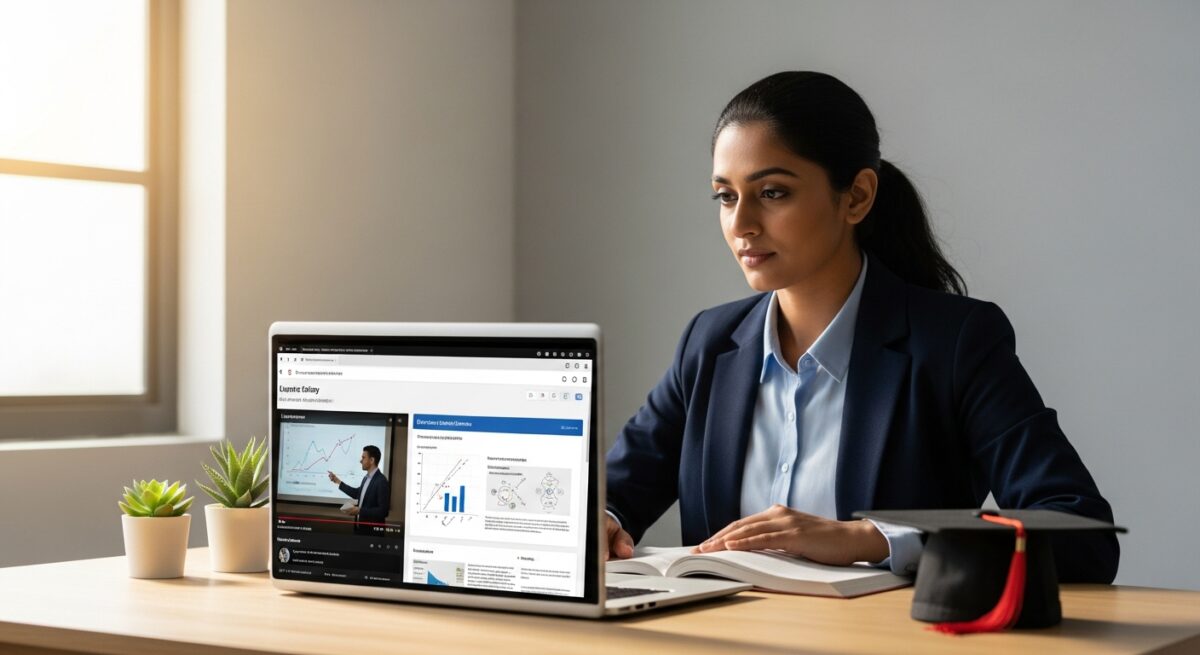
Colorado has become a national leader in accessible, high quality higher education, and this innovation extends powerfully into the digital realm. With a landscape that includes major public research universities, dynamic state institutions, and respected private colleges, prospective students have more opportunities than ever to earn a degree entirely online from a Colorado-based school. These online degree programs in Colorado are designed for the modern learner, whether you are a working professional seeking advancement, a busy parent managing multiple responsibilities, or a career-changer looking for a flexible path forward. The key to success lies in navigating the options wisely, understanding the unique benefits of Colorado’s educational ecosystem, and choosing a program that aligns with your personal, professional, and academic goals.
The Landscape of Online Education in Colorado
Colorado’s higher education system is uniquely positioned to deliver exceptional online learning experiences. The state is home to the University of Colorado System, Colorado State University System, and Metropolitan State University of Denver, all of which have invested heavily in robust online divisions. Furthermore, institutions like Colorado Technical University and the University of Denver have long histories in specialized online and professional education. This creates a diverse marketplace of programs ranging from fully online associate degrees to doctoral programs. The driving philosophy across many of these schools is a focus on career-relevant curriculum, often developed in partnership with Colorado’s thriving industries in technology, aerospace, renewable energy, healthcare, and business. This means an online degree from a Colorado institution is not just a credential, it is often a direct pipeline to in-demand skills.
One of the most significant advantages is the residency model adopted by many public universities. While the program is delivered online, students may pay in-state tuition rates regardless of where they live. This model, pioneered by schools like Colorado State University Global, dramatically lowers the cost barrier and makes a quality Colorado education accessible nationwide. It is essential to distinguish between programs that are simply remote versions of on-campus classes and those designed from the ground up for online delivery. The latter often feature asynchronous coursework (no set log-in times), dedicated online student support services, and faculty trained in digital pedagogy, providing a more seamless and supportive experience for the distance learner.
Key Benefits of Choosing a Colorado-Based Online Program
Selecting an online degree program from a Colorado institution offers a distinct set of advantages that go beyond simple convenience. First and foremost is the strength of accreditation. Reputable Colorado schools hold regional accreditation from the Higher Learning Commission (HLC), the gold standard for academic quality in the central United States. This accreditation ensures that your degree will be recognized by employers and other institutions should you pursue further education. For specialized fields, many programs also carry prestigious programmatic accreditation (e.g., AACSB for business, ABET for engineering, CAHIIM for health informatics), which signals a curriculum meeting rigorous industry standards.
The connection to Colorado’s robust economy is another major benefit. Universities actively tailor programs to meet the needs of local and national employers. For instance, an online Master of Science in Computer Science from the University of Colorado Boulder or a Bachelor of Science in Project Management from Colorado State University Global is built with input from tech and business leaders. This practical, applied approach means you graduate with a portfolio of relevant skills, not just theoretical knowledge. Furthermore, the flexibility is unparalleled. You can maintain your career and personal commitments while studying, applying new concepts in real-time to your current job. This integrated learning model accelerates professional growth.
To summarize the core advantages, consider the following key benefits:
- Career-Centric Curriculum: Programs are frequently aligned with high-growth industries in Colorado and beyond, ensuring marketable skills.
- Financial Accessibility: Many public universities offer flat-rate, in-state or reduced tuition for all online students, regardless of physical location.
- Asynchronous Flexibility: Most coursework can be completed on your schedule, ideal for working adults with irregular hours.
- Strong Institutional Reputation: Degrees from established Colorado universities carry significant weight with employers nationwide.
- Comprehensive Student Support: Online learners receive dedicated access to academic advising, tutoring, library resources, and career services.
This combination of quality, relevance, and support creates a compelling value proposition that is hard to match. It transforms the online degree from a transaction into a transformative educational journey designed for adult success.
Navigating Program Selection and Admission
Choosing the right online degree program in Colorado requires a strategic approach. The process begins with thorough self-assessment. Define your ultimate goal: is it a promotion, a complete career shift, or meeting licensure requirements? Your goal will dictate the level of degree (associate, bachelor’s, master’s, doctorate) and the specific field of study. Once you have a direction, research becomes critical. Start with the institutional website, but dig deeper. Look for student testimonials, details on faculty credentials (are they industry practitioners?), and sample syllabi. A crucial, non-negotiable step is verifying accreditation status directly on the HLC website or the specialized accrediting body’s directory.
The admission process for online programs is typically streamlined but still requires attention to detail. Common requirements include submission of official transcripts from all prior institutions, a completed application form, and often a personal statement or essay. Some graduate programs may require letters of recommendation, a resume, and standardized test scores (like the GRE or GMAT), though many are moving toward test-optional policies. For working adults, the personal statement is a vital opportunity to connect your professional experience to your academic aspirations. Be prepared to articulate how the specific Colorado online program fits into your career trajectory. It is also wise to proactively contact an admissions counselor for the program. They can clarify requirements, discuss potential transfer credits (which can save significant time and money), and provide insights into the student experience.
Maximizing Your Success as an Online Student
Success in an online degree program demands a different set of strategies compared to a traditional campus setting. The freedom of asynchronous learning comes with the responsibility of intense self-discipline. The first and most important step is to establish a dedicated study routine. Treat your coursework like a job by blocking out specific, consistent hours in your calendar for reading, lectures, and assignments. Create a physical study space that is free from distractions and signals to your brain (and your household) that it is time to focus. Effective time management is non-negotiable, use digital calendars, project management apps, or simple to-do lists to break down large assignments into manageable weekly tasks.
Proactive communication is your greatest tool. Introduce yourself to your instructors at the start of each term via email and engage actively in discussion forums. Building a presence in the virtual classroom helps you stay connected and makes it easier to ask for help when needed. Similarly, seek out connections with fellow students. Form virtual study groups using video conferencing tools or course messaging platforms. These peer networks provide academic support, accountability, and valuable professional networking. Do not hesitate to use all the support services your tuition provides. Online libraries offer vast digital collections and research librarians, tutoring centers provide virtual sessions, and career services can help polish your resume and practice interview skills remotely. Remember, engagement is the antidote to the isolation that can sometimes accompany online learning. By actively participating and utilizing available resources, you transform from a passive recipient of information into an active, successful member of your academic community.
Financial Considerations and Aid Opportunities
Understanding the cost structure and funding options for online degree programs in Colorado is a fundamental part of the planning process. Tuition models vary. Some universities charge per credit hour, while others offer all-inclusive flat-rate tuition per term, which can be advantageous for students who can handle a heavier course load. Always calculate the total program cost, not just the per-credit rate, and factor in mandatory fees (e.g., technology, student services fees) which can add up. The great news for online students is that financial aid is widely available. The first step for any U.S. student is to complete the Free Application for Federal Student Aid (FAFSA). This unlocks eligibility for federal grants, which do not need to be repaid, and federal student loans, which typically offer lower interest rates and more flexible repayment options than private loans.
Beyond federal aid, explore scholarships specifically for online students, adult learners, or your field of study. Many Colorado universities have dedicated scholarships for their online divisions. Employers are also a key resource, many companies offer tuition reimbursement or assistance programs as part of their benefits package. It is worth having a conversation with your HR department. For military personnel and veterans, Colorado schools often have strong support networks and participate in the GI Bill and other military benefits programs. When evaluating cost, always consider the return on investment (ROI). A slightly more expensive program from a highly regarded, accredited institution with strong career outcomes may offer a better long-term value than a cheaper, less recognized alternative. Be a savvy consumer, ask schools for data on graduation rates and post-graduation employment or salary outcomes for their online students.
Pursuing an online degree from a Colorado institution represents a strategic investment in your future. The state’s blend of prestigious research universities, innovative state colleges, and career-focused private schools creates a rich tapestry of accredited, flexible options. By carefully selecting a program that matches your goals, verifying its credentials, and committing to the disciplined engagement required for online success, you can earn a valuable credential that opens doors. The path to advancement or a new career no longer requires relocating or putting your life on hold. With the robust framework of online degree programs in Colorado, you can build the future you envision from wherever you are, supported by the quality and reputation of the Centennial State’s outstanding educational system.