The demand for skilled visual communicators has never been higher. Brands, nonprofits, and startups all need compelling digital assets to stand out. For working professionals and career changers, the path to this field often begins with research into Online Graphic Design Degree Programs and Creative Careers. A flexible online program allows you to build a portfolio while keeping your current job. This article explores what these programs offer, how to choose one, and the career opportunities that await after graduation.
What to Expect from an Online Graphic Design Degree
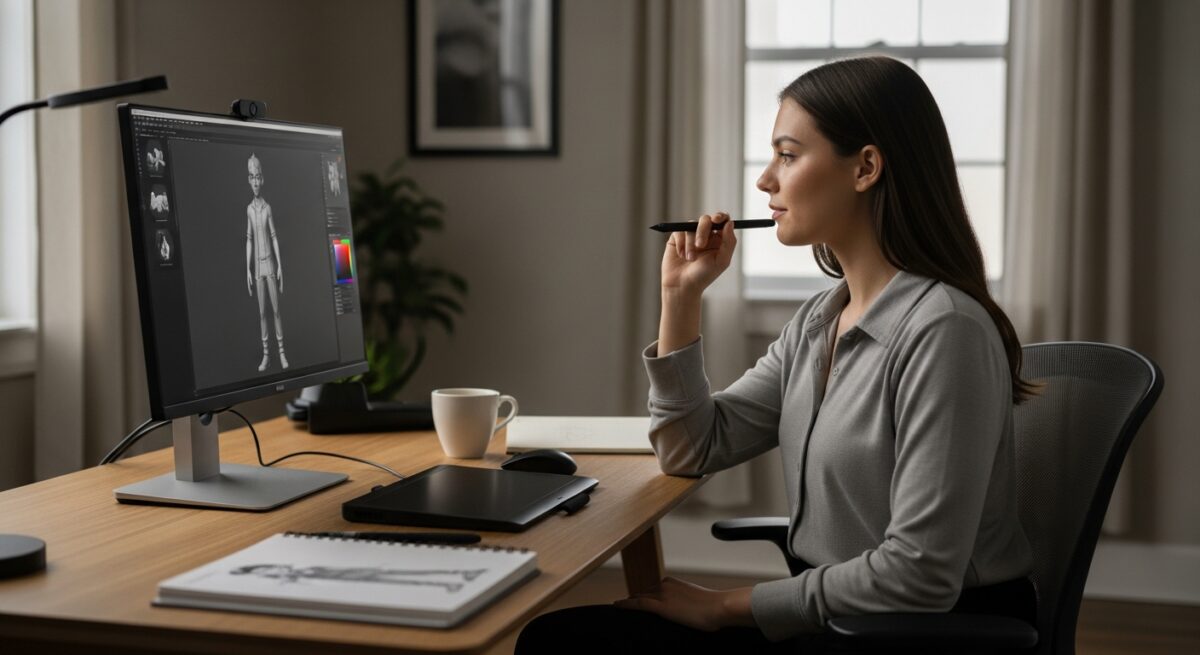
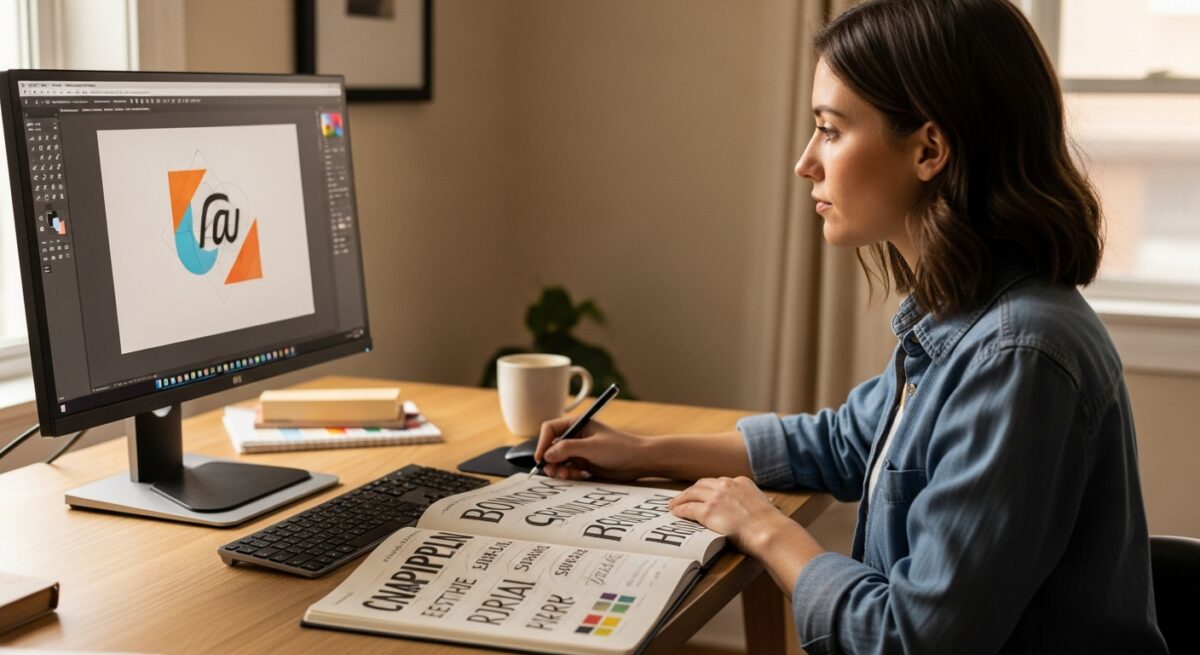
An online graphic design degree combines artistic principles with technical software skills. You will study color theory, typography, layout, and user experience. Most programs require you to complete projects using industry-standard tools like Adobe Creative Cloud. The curriculum often mirrors that of a traditional on-campus program, but with the added flexibility of asynchronous coursework. Many students complete their graphic design studies online through a mix of video lectures, live critiques, and collaborative discussion boards.
Accreditation is a key factor to verify before enrolling. Look for programs accredited by the National Association of Schools of Art and Design (NASAD) or a regional accrediting body. This ensures your degree will be recognized by employers and transferable to other institutions. Some programs also offer a design bachelor online that includes a capstone project, where you create a comprehensive portfolio to showcase your best work to future employers.
Core Courses and Skill Development
A typical curriculum covers foundational and advanced topics. Expect to take courses in digital imaging, vector graphics, web design, and motion graphics. Many programs also include classes in business practices for freelancers, project management, and client communication. These skills are essential because graphic designers often work on contract or as part of a marketing team. By the end of the program, you should be able to produce professional-grade work for print, screen, and social media.
Beyond technical skills, online programs emphasize critical thinking and problem-solving. You will learn to interpret a creative brief, research target audiences, and iterate on designs based on feedback. This process mirrors real-world client work. Some universities offer specializations within the online graphic design degree, such as branding, UX/UI design, or illustration. Choosing a specialization can help you stand out in a competitive job market.
Choosing the Right Program for Your Goals
With hundreds of options available, selecting the right program requires careful evaluation. Start by considering your career objectives. Do you want to work at an agency, in-house for a corporation, or as a freelancer? Each path may benefit from a different focus. For example, an agency role often demands versatility across multiple media, while an in-house position might require deep expertise in a specific industry. Our guide on associate degree majors can help you compare shorter, career-focused programs if you are looking for a quicker entry point.
Another important factor is the program’s portfolio requirements. A strong portfolio is more important than your GPA when applying for design jobs. Look for programs that integrate portfolio development into every course. Some schools offer mentorship from working designers, which can provide valuable industry connections. Additionally, check the software and hardware requirements. Most online graphic design programs require a laptop with a dedicated graphics card and a subscription to Adobe Creative Cloud.
Accreditation and Transfer Credits
Accreditation affects financial aid eligibility and degree recognition. Regionally accredited programs are widely accepted by other universities if you plan to pursue a master’s degree later. If you already have some college credits, ask about transfer policies. Many online programs accept up to 90 credits from accredited institutions, which can save you time and money. Be sure to request a preliminary credit evaluation before applying.
The Job Market for Graphic Design Graduates
The U.S. Bureau of Labor Statistics projects steady growth for graphic design jobs, particularly in digital media. Companies need designers for websites, mobile apps, email campaigns, and social media content. The median annual wage for graphic designers was around $57,000 in 2023, with top earners making over $100,000 in specialized fields like UX design or art direction. Graduates of Online Graphic Design Degree Programs and Creative Careers often find work as:
- Visual designers who create brand identities and marketing collateral.
- UX/UI designers who improve the usability of websites and apps.
- Motion graphics artists who produce animated content for video and advertising.
- Art directors who oversee the visual style of publications or campaigns.
Freelancing is also a viable option. Many designers build a client base through platforms like Upwork or by networking locally. An online degree can be particularly helpful for freelancers because it teaches you how to manage projects, invoice clients, and market your services. The flexibility of remote work is a major advantage for those pursuing graphic design studies online.
Financial Considerations and Return on Investment
Tuition for an online graphic design degree varies widely. Public universities may charge $300 to $500 per credit hour for in-state students, while private institutions can exceed $1,000 per credit hour. However, online programs often have lower fees for technology and campus services. You can also save on commuting, housing, and meal plans. Many students use federal financial aid, scholarships, or employer tuition reimbursement to fund their education.

The return on investment depends on your career path. Entry-level graphic designers may start at $40,000 to $50,000 per year, but salaries increase with experience and specialization. A design bachelor online typically pays for itself within a few years. To maximize your ROI, choose a program with strong career services, internship placement, and alumni networking opportunities. Some schools even offer job guarantees or portfolio reviews with industry professionals.
Building a Professional Portfolio While Studying
Your portfolio is your most powerful job-seeking tool. Start building it from your very first course. Include class projects, personal experiments, and freelance work. Each piece should demonstrate a specific skill, such as logo design, typography, or photo manipulation. Write a brief case study for each project explaining the problem, your process, and the final solution. This shows employers how you think, not just what you can create.
Many online programs require a capstone project where you solve a real-world design challenge. Treat this as a centerpiece of your portfolio. Some students collaborate with local nonprofits or small businesses to create branding packages. This not only builds your portfolio but also provides references and testimonials. You can host your portfolio on platforms like Behance, Dribbble, or your own website. A professional online presence is essential for creative careers today.
Frequently Asked Questions
Can I get a graphic design degree completely online?
Yes, many accredited universities offer 100% online bachelor’s and associate degrees in graphic design. You will need a reliable internet connection and a computer that meets the software requirements. Coursework is delivered through learning management systems, and you submit projects digitally.
How long does it take to complete an online graphic design degree?
A bachelor’s degree typically takes four years of full-time study. Accelerated programs may allow you to finish in three years by taking courses year-round. Part-time options are also available and can take five to six years. Many students appreciate a flexible schedule that accommodates work and family obligations.
Do employers value online graphic design degrees?
Employers care most about your portfolio and skills, not whether your degree was earned online or on campus. As long as the program is accredited, an online degree holds the same weight as a traditional one. Many hiring managers themselves have completed online education and understand its rigor.
What software do I need for an online graphic design program?
Most programs require Adobe Creative Cloud, which includes Photoshop, Illustrator, InDesign, and sometimes After Effects or XD. Some courses may also use Figma, Sketch, or Blender. Your school will provide a list of required software before classes begin. Student discounts are often available for subscriptions.
Can I transfer credits from a community college to an online graphic design program?
Yes, many online programs accept transfer credits from regionally accredited community colleges. You can often transfer up to 60 credits for an associate degree or 90 credits for a bachelor’s degree. Contact the admissions office of your target school to request a credit evaluation before applying.
The creative field rewards persistence, curiosity, and a strong work ethic. An online degree provides the structured learning you need while letting you apply new skills immediately. As you research Online Graphic Design Degree Programs and Creative Careers, focus on programs that align with your schedule, budget, and artistic goals. For additional resources on financing your education and exploring accredited options, visit College and Tuition for guidance on managing costs and selecting the right school. With the right preparation, you can turn your passion for design into a fulfilling and sustainable career.