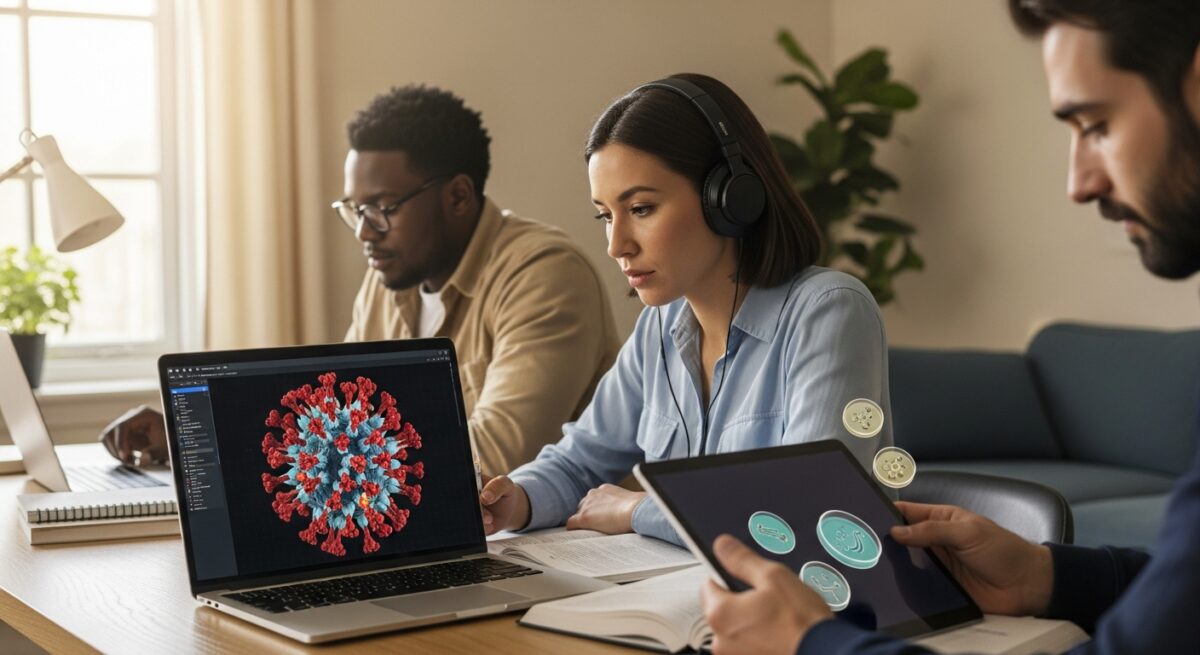
Enrolling in a microbiology class online opens a fascinating window into the invisible world of bacteria, viruses, fungi, and protozoa. For many students, the idea of studying microorganisms without a physical lab feels counterintuitive. Yet modern online microbiology courses have evolved dramatically, blending rigorous academic content with digital simulations and virtual lab experiences. Whether you are a nursing prerequisite student, a biology major, or a career changer exploring healthcare, understanding what an online microbiology class entails can help you prepare for success. This article breaks down the structure, challenges, tools, and strategies you will encounter when taking microbiology training online.
The Core Structure of an Online Microbiology Course
Most online microbiology programs follow a modular design that mirrors traditional semester-based courses. You will typically encounter weekly units covering topics such as cell structure, microbial metabolism, genetics, immunology, and disease transmission. Each module includes recorded lectures, assigned readings from digital textbooks, and interactive quizzes. The key difference from a face-to-face class is the self-paced nature of the coursework. While some courses have fixed deadlines, many allow you to complete lectures and assignments on your own schedule within a weekly window.
In addition to content delivery, assessments usually include multiple-choice exams, short-answer essays, and case study analyses. Some programs also require discussion board participation where you analyze real-world outbreaks or research articles. Because microbiology is a cumulative subject, you must stay current with each module. Falling behind on concepts like Gram staining or metabolic pathways can make later units much harder to understand. Many students find it helpful to create a weekly study schedule that allocates specific time for lectures, reading, and review.
Virtual Labs and Hands-On Learning
One of the biggest questions prospective students ask is whether an online microbiology class includes lab work. The answer depends on the program. Some institutions offer a fully online lecture component with a separate in-person lab requirement at a local campus or community college. Others have developed sophisticated virtual lab simulations that allow you to perform experiments using software. These digital labs let you practice techniques such as bacterial streaking, Gram staining, and biochemical testing without needing a physical lab space.
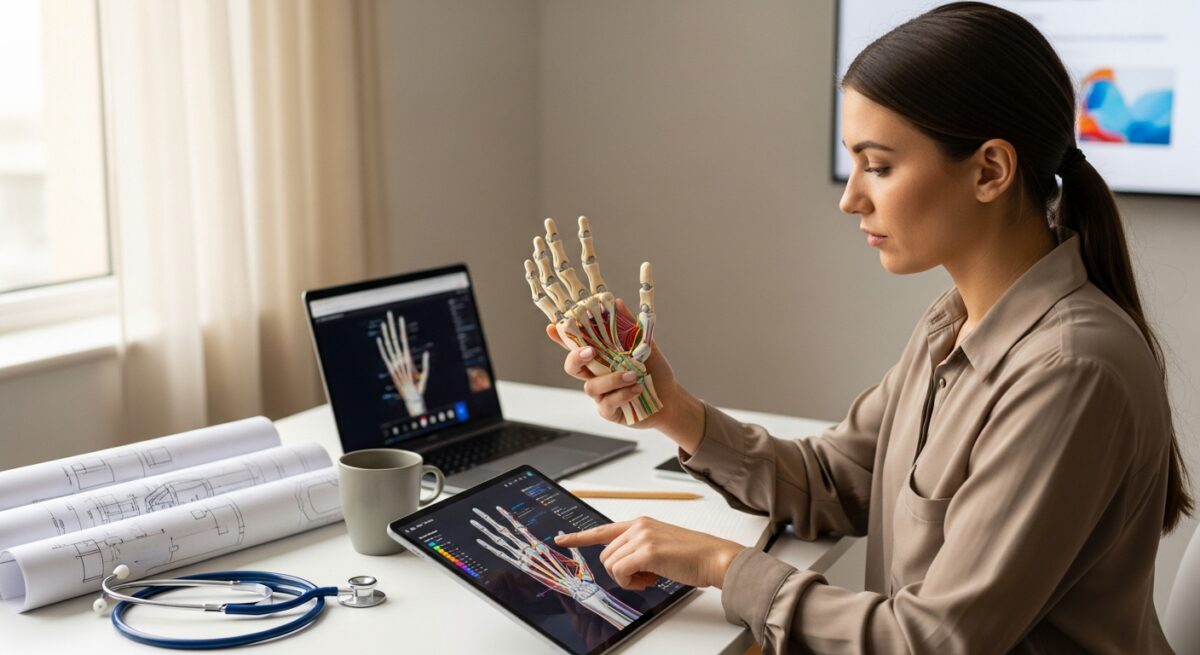
Virtual lab platforms like Labster or McGraw-Hill Connect provide realistic 3D environments where you manipulate equipment, observe reactions, and collect data. While these tools cannot fully replicate the tactile experience of handling cultures, they effectively teach procedural knowledge and analytical thinking. For students pursuing nursing or allied health fields, some programs combine online theory with a short intensive lab session on campus or at an approved facility. When researching online microbiology courses, always check the lab component to ensure it meets your degree requirements and professional goals.
Technology Requirements and Digital Tools
To succeed in a microbiology class online, you need reliable technology. Most courses require a computer with a stable internet connection, a webcam, and a microphone for proctored exams. Your institution will likely specify minimum system requirements for running virtual lab software and streaming high-definition lectures. A laptop or desktop with at least 8GB of RAM and a modern processor is recommended. Tablets can work for reading but may not support all lab simulations.
Beyond hardware, you will use several digital tools regularly. Learning management systems (LMS) like Canvas, Blackboard, or Moodle serve as your central hub for accessing materials, submitting assignments, and checking grades. Many courses also integrate third-party platforms for adaptive quizzing, digital textbooks, and video conferencing. Familiarize yourself with these tools during the first week. Technical issues can disrupt your progress, so having a backup plan such as a secondary device or a nearby library with public computers is wise.
Academic Expectations and Study Strategies
Microbiology is a demanding subject regardless of delivery format. An online microbiology class requires strong self-discipline because no professor is physically present to keep you on track. You must manage your time effectively, read the textbook thoroughly, and engage with supplementary materials like animations and flashcards. Many students underestimate the volume of terminology. Learning to differentiate between prokaryotic and eukaryotic cells, understanding metabolic pathways, and memorizing pathogen classifications demands consistent effort.
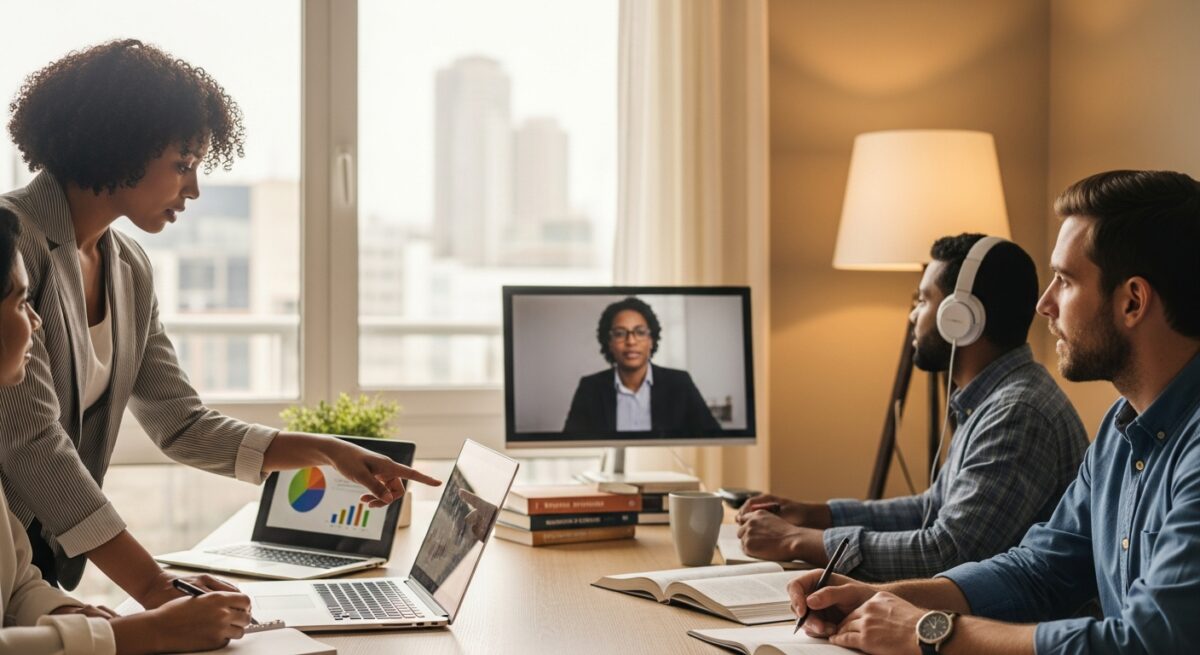
Successful online learners often adopt active study techniques. Instead of passively watching lectures, take handwritten notes or use digital annotation tools. Create concept maps that connect microbial structures to their functions. Form virtual study groups using platforms like Zoom or Discord to discuss challenging topics. Teaching a concept to a peer is one of the most effective ways to solidify your understanding. Additionally, take advantage of office hours offered by your instructor. Even in an online setting, most professors hold virtual sessions where you can ask questions and clarify difficult material.
Navigating Exams and Proctoring
Assessment integrity is a major consideration for microbiology training online. Most programs use remote proctoring services to monitor exams. You may be required to install software that records your screen, webcam, and audio during tests. Some proctors also require a 360-degree room scan to ensure no unauthorized materials are present. While this can feel intrusive, it is standard practice for accredited online programs. Plan to take exams in a quiet, well-lit space without distractions.
Proctored exams often include a mix of multiple-choice questions, labeling diagrams, and short-answer prompts. Because microbiology involves visual identification of microorganisms, you may encounter image-based questions where you identify bacteria shapes or interpret lab results. Preparing for these exams requires more than memorization. Focus on understanding processes such as binary fission, antigen-antibody interactions, and the mechanisms of antibiotic resistance. Practice with flashcards and self-quizzing tools to reinforce visual recognition.
Time Management for Working Adults
Many students enrolled in online microbiology courses are working professionals or parents balancing multiple responsibilities. The flexibility of online learning is a major advantage, but it also demands intentional scheduling. A typical three-credit microbiology class with a lab component may require 9 to 12 hours of work per week. This includes lecture time, reading, lab simulations, assignments, and study time. Block out these hours on your calendar just as you would for an in-person class.
To avoid burnout, break your study sessions into manageable chunks. Use techniques like the Pomodoro method, where you focus for 25 minutes and then take a 5-minute break. Prioritize tasks by deadline and difficulty. For example, tackle complex topics like microbial genetics early in the week when your energy is highest. Reserve lighter activities like discussion posts for later in the week. If you find yourself struggling, reach out to academic support services early. Many schools offer free tutoring, writing centers, and success coaches for online students. In our guide on financial aid for online students, we explain how to fund your education while managing your schedule.
Career Relevance and Real-World Applications
Understanding microbiology has direct implications for careers in healthcare, research, pharmaceuticals, and environmental science. For nursing students, knowledge of pathogens and infection control is critical for patient safety. For those in public health, microbiology provides the foundation for understanding disease outbreaks and vaccine development. Even students pursuing non-clinical roles benefit from the analytical and problem-solving skills developed in this course.
Employers value candidates who can apply microbiological concepts to real-world challenges. For instance, a quality control technician in a food processing plant uses microbiology to test for contamination. A laboratory technician in a hospital identifies pathogens to guide treatment decisions. By completing a microbiology class online, you demonstrate both subject mastery and the ability to learn independently using digital tools. These competencies are increasingly important in a workforce that relies on remote collaboration and technology.
For those considering further education, microbiology serves as a gateway to advanced studies in immunology, virology, or molecular biology. Many graduate programs accept online prerequisites as long as they come from accredited institutions. When selecting your course, verify that the program is regionally accredited and that the lab component meets the requirements of your target schools or certification boards.
Frequently Asked Questions
Can I take microbiology online if I need it for nursing school?
Yes, many nursing programs accept online microbiology courses from regionally accredited institutions. However, you must check with your specific nursing school to confirm that the course and lab meet their prerequisite requirements. Some programs require an in-person lab component.
Do employers accept online microbiology degrees?
Employers generally accept degrees and coursework from accredited online institutions. The key factor is accreditation, not delivery format. As long as your school holds regional accreditation, your microbiology class online will be viewed as equivalent to a traditional course.
How difficult is an online microbiology class compared to in-person?
The academic rigor is comparable. Online courses often require more self-discipline because you must manage your own schedule. The content, exams, and lab work are designed to meet the same learning outcomes as on-campus classes.
What kind of support is available for online microbiology students?
Most accredited programs offer virtual office hours, discussion forums, tutoring services, and technical support. Some also provide success coaches who help you stay on track. Always explore the support resources before enrolling.
Will I need to buy a lab kit for the microbiology lab?
Some online courses require a lab kit that you use at home for simple experiments. Others rely entirely on virtual simulations. Check the course description or contact the instructor to understand the lab requirements before you register.
For additional resources on choosing the right program and understanding costs, explore collegedegree.education for comprehensive guidance on accredited online education options.
Final Thoughts on Your Online Microbiology Journey
Taking a microbiology class online is a challenging but rewarding experience. You will gain a deep understanding of the microbial world while developing time management, digital literacy, and self-discipline. The key to success lies in choosing an accredited program, preparing your technology, and committing to a consistent study routine. Whether you are pursuing a healthcare career or expanding your scientific knowledge, this course provides a solid foundation. Approach it with curiosity and dedication, and you will emerge with skills that serve you both academically and professionally.